Choosing a quality cafe involves:
– Bean Origin & Roast: Understanding bean profiles from origins like Ethiopia or Brazil, and preferring light roasts for original flavors or dark roasts for boldness.
– Freshness: Prioritizing cafes sourcing and preparing beans within weeks of roasting.
– Menu Analysis: Evaluating single-origin beans, detailed roast descriptions, brewing methods, Fair Trade/Organic certifications, price range, and seasonal offerings.
– Environment & Experience: Observing cafe design, lighting, seating, sounds, scents, and patron interactions to ensure an engaging atmosphere that enhances cognitive performance.
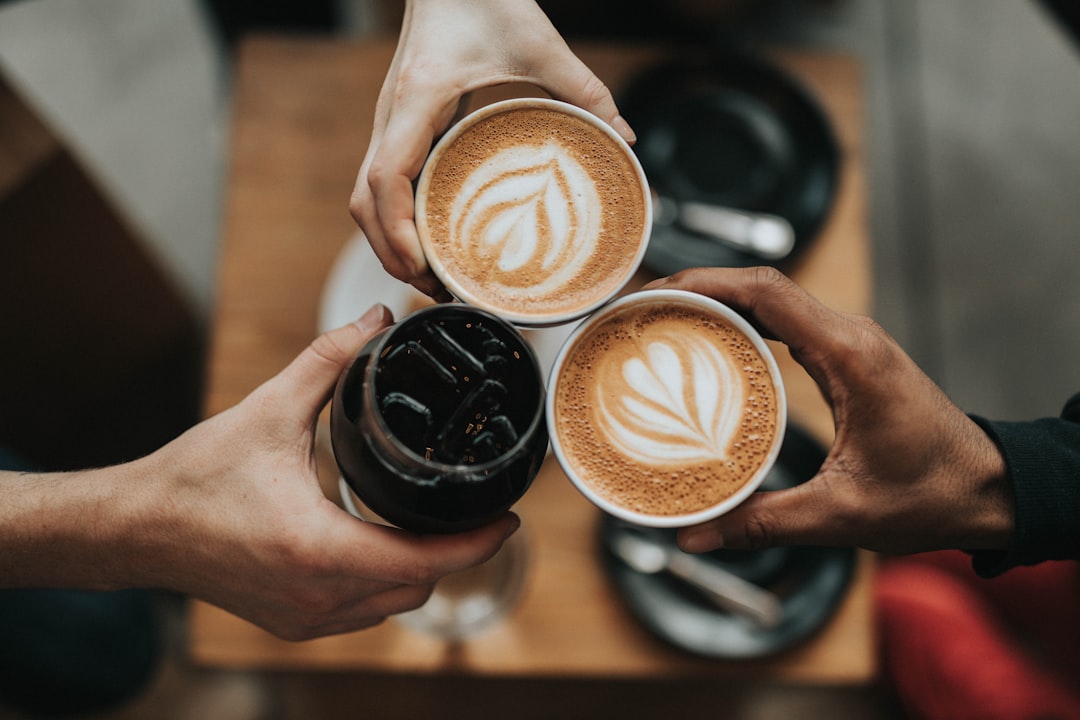
In the modern world, cafes have become more than just spaces for a quick brew—they are cultural hubs where communities converge and individuals seek solace or inspiration. However, amidst the hustle and bustle of these bustling establishments, it’s easy to get lost in the sea of choices. The quest for quality coffee is an art, a journey that demands discerning palates and an eye for detail. This article aims to guide you through the process of choosing cafes with an unwavering commitment to excellence, ensuring every sip tells a story of craftsmanship and dedication—a true testament to the cafe experience.
- Understanding Quality Coffee Essentials
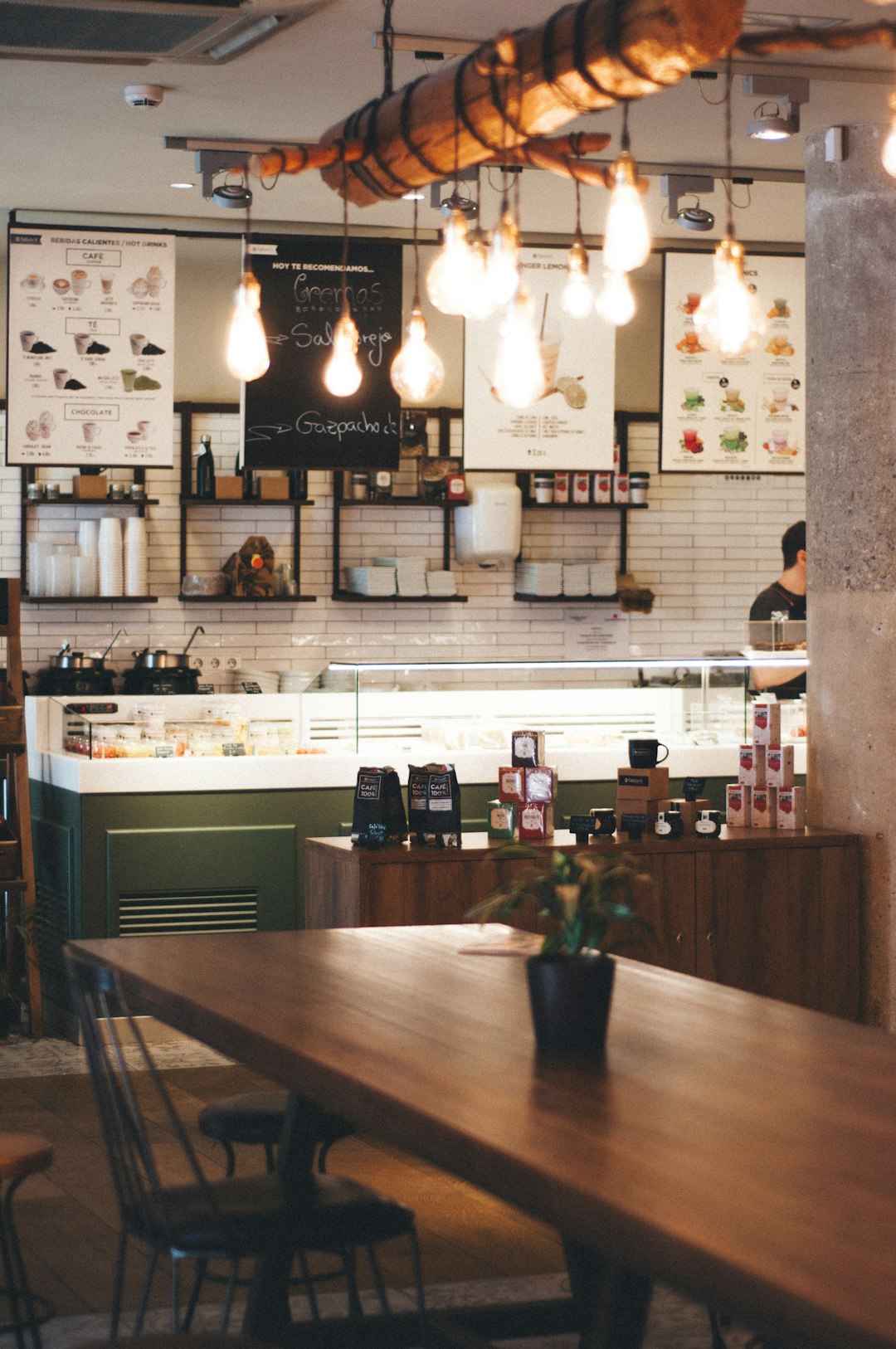
- Navigating Cafe Menus: What to Look For
- Evaluating Cafe Environment for Optimal Experience
Understanding Quality Coffee Essentials
Choosing a cafe often feels like navigating a labyrinth of enticing aromas and vibrant atmospheres. But to truly appreciate quality coffee, one must delve beyond the surface. Understanding the essentials of what makes a coffee exceptional is key. First, consider the bean: origin matters. Coffees from different regions possess unique flavor profiles, influenced by climate, soil, and elevation. For instance, beans from Ethiopia’s Yirgacheffe region are renowned for their floral and citrusy notes, while Brazilian coffees offer a smoother, chocolatey profile.
Next, roast level plays a pivotal role in taste. Light roasts retain more original flavor notes from the bean, showcasing subtleties like fruitiness or herbs. Dark roasts, on the other hand, often deliver a bolder, smokier flavor through the Maillard reaction during roasting. A cafe that offers a diverse selection of roast levels allows patrons to explore these nuances. Moreover, coffee freshness is paramount. Cafe naturally should source and prepare beans within weeks of roasting for optimal taste. Proper storage, grinding just before brewing, and serving at the right temperature further ensure a quality cup.
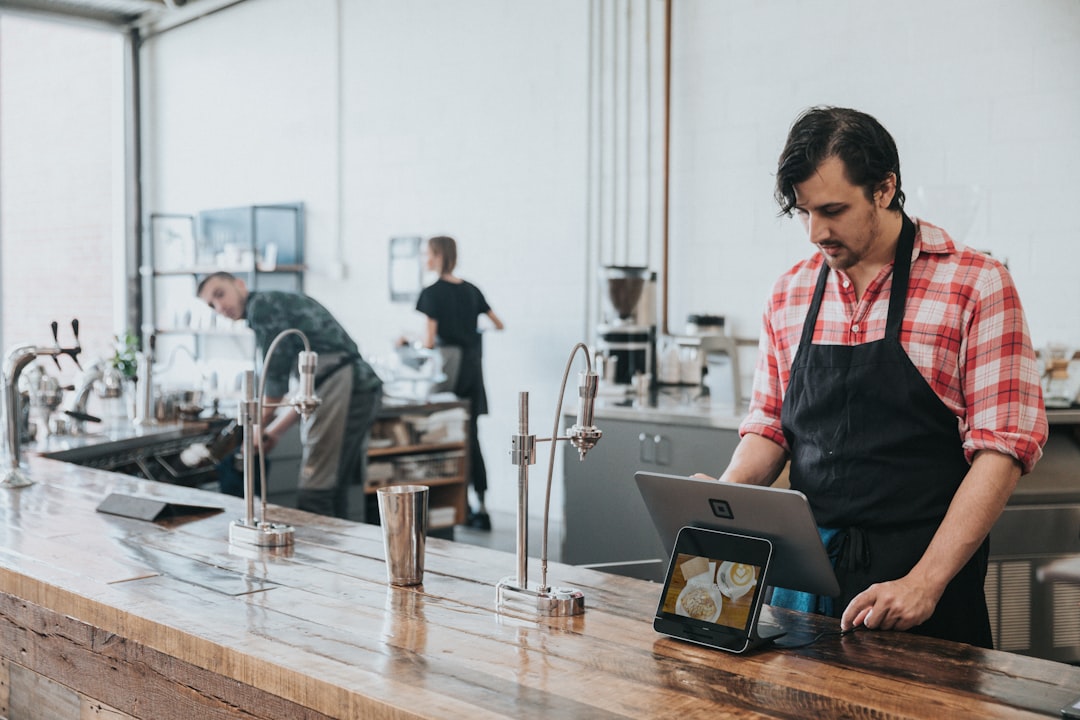
Beyond the bean, skilled baristas are integral. Their expertise in brewing techniques—pour-over, French press, espresso, among others—can bring out the best in different coffee types. A cafe that invests in training its staff can offer insightful recommendations tailored to individual preferences. Lastly, don’t underestimate the importance of water quality. The mineral content and pH level significantly affect taste, making a premium, filtered water source crucial for crafting exceptional coffee beverages. By considering these essential elements, you’ll be better equipped to find and appreciate cafes that truly excel in their craft.
Navigating Cafe Menus: What to Look For
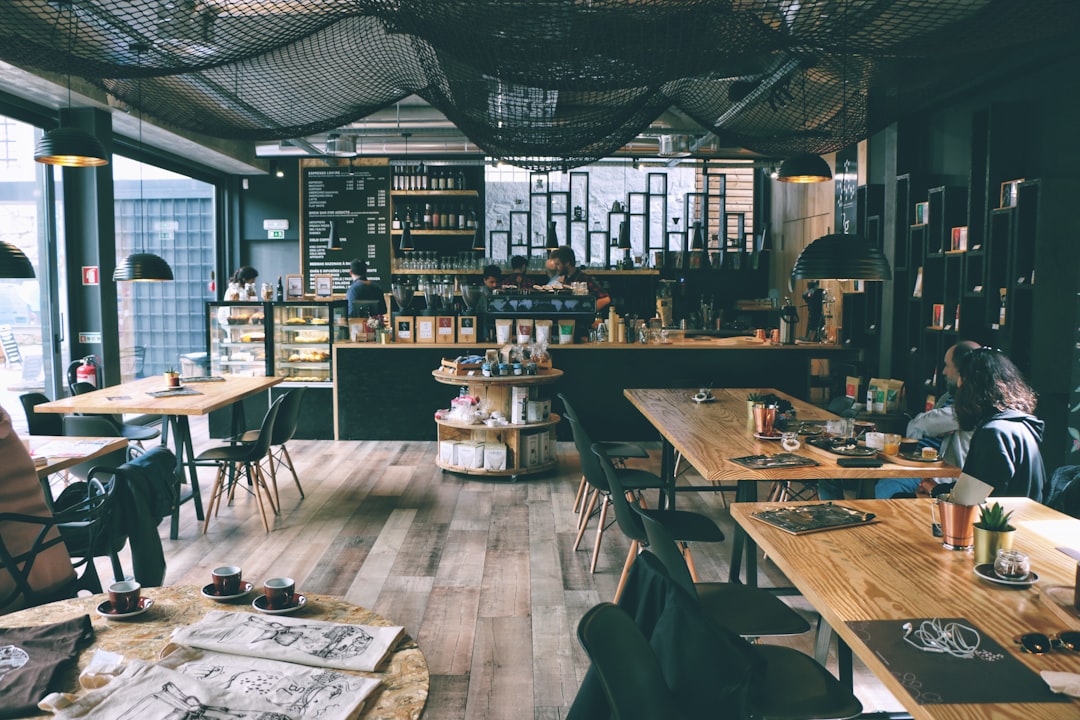
Navigating a cafe menu can seem like deciphering a foreign language, but with a keen eye for detail, you can quickly identify establishments that prioritize quality coffee. The art of choosing a cafe extends beyond the aroma wafting through the air or the aesthetics of the space; it’s about understanding what’s on offer and selecting options that align with your taste preferences and expectations. When evaluating a cafe menu, consider the diversity and origin of their coffee beans. A quality cafe should offer single-origin coffees, sourced directly from farmers, allowing you to trace the bean’s journey from farm to cup. This transparency not only supports ethical sourcing but also enhances flavor profiles.
Menu descriptions can reveal much about a cafe’s commitment to excellence. Look for detailed notes on roast levels—light, medium, or dark—as these impact taste significantly. Expert cafes often provide information on brewing methods, whether pour-over, French press, or espresso-based drinks, each offering unique flavor experiences. Additionally, note any specialty coffee certifications, such as Fair Trade or Organic, ensuring you support environmentally and socially responsible practices.
Practical insights include scrutinizing the price range, which can indicate the cafe’s standards. While a higher price tag doesn’t guarantee quality, it often reflects investment in premium beans and skilled baristas. Lastly, don’t overlook seasonal offerings; cafes that innovate with rotating menus and experimental blends demonstrate a passion for their craft. By understanding what to seek on a menu, you empower yourself to make informed choices, ensuring each cafe visit is an enriching coffee experience.
Evaluating Cafe Environment for Optimal Experience
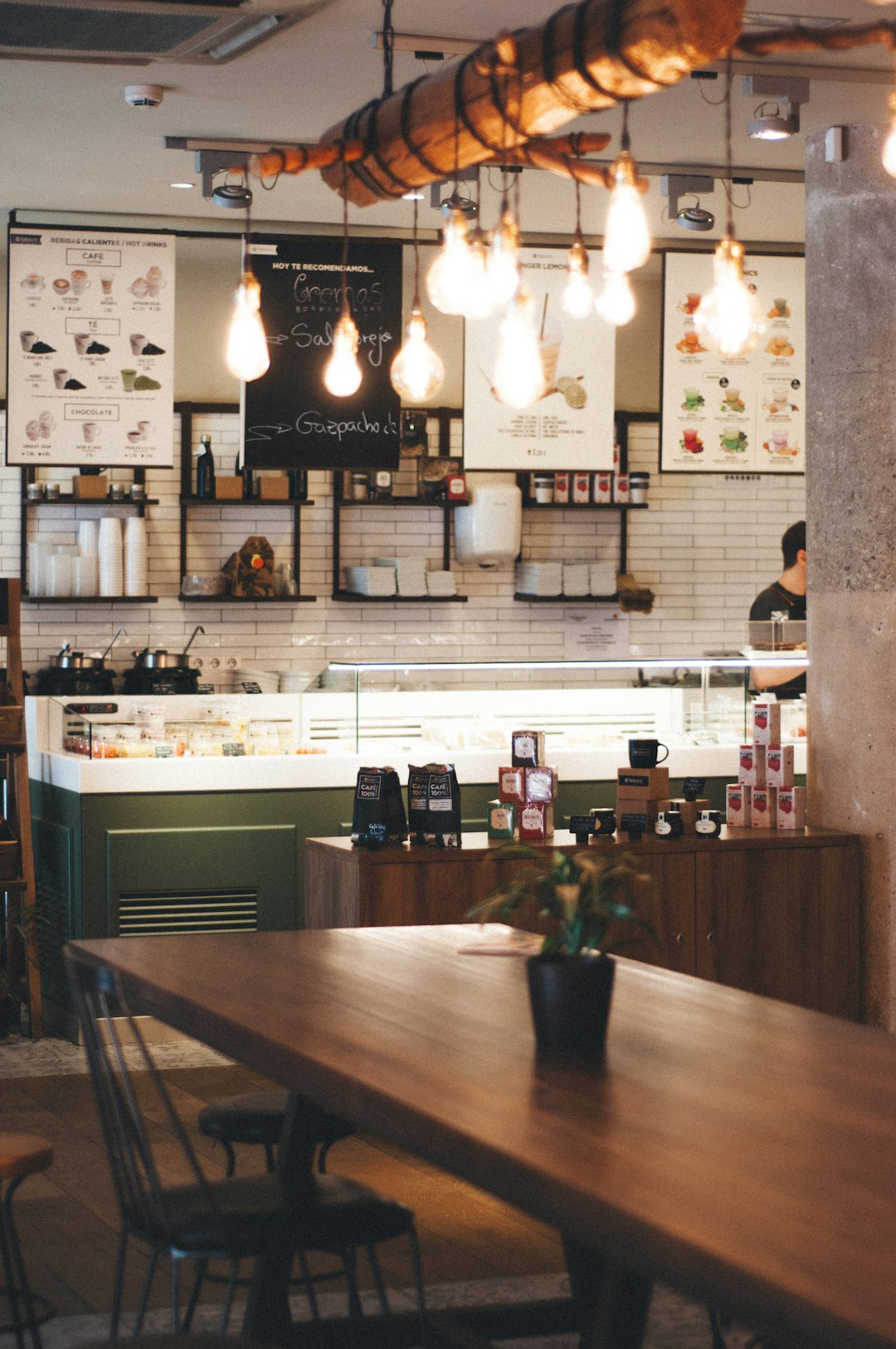
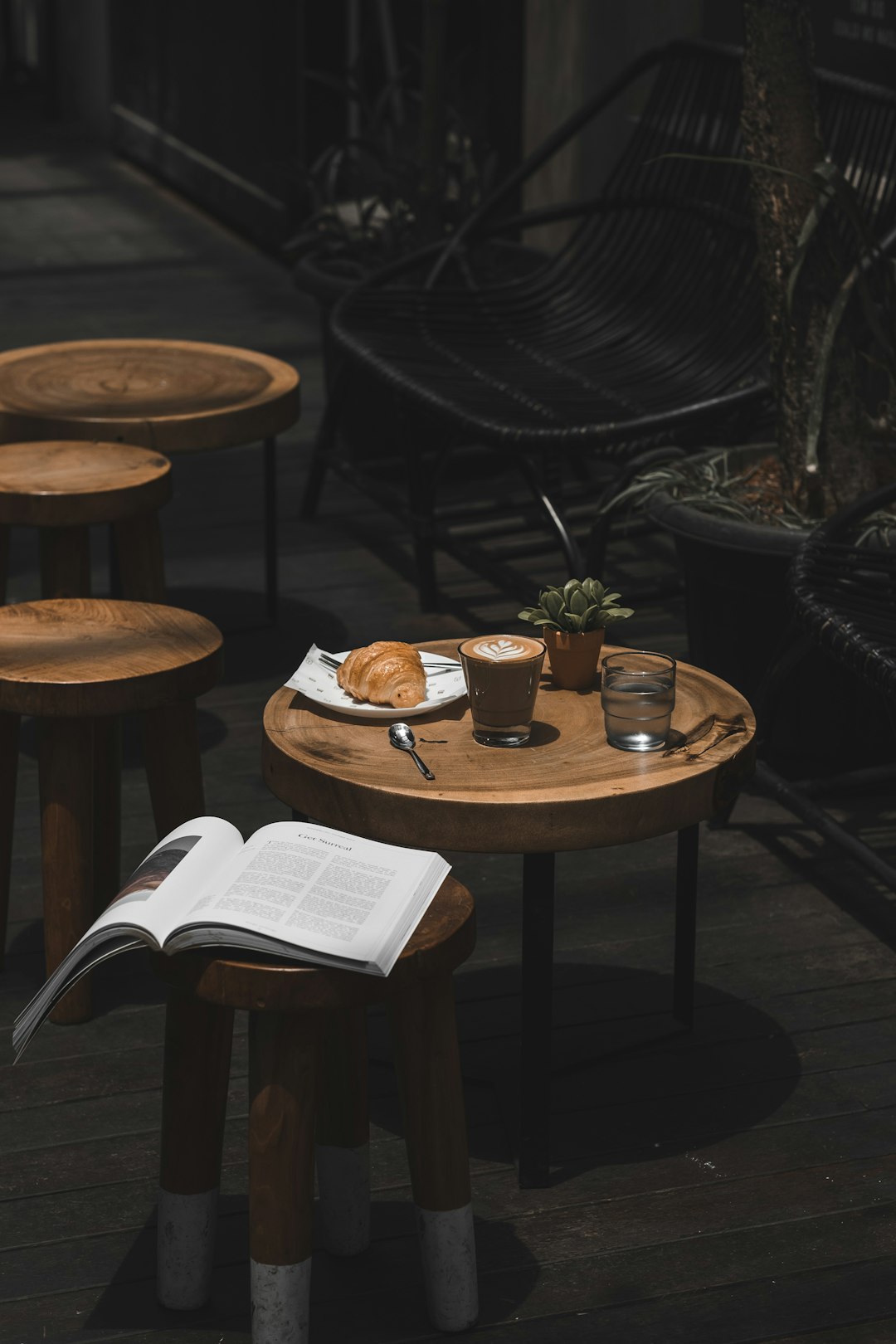
Choosing a cafe isn’t just about the coffee anymore; it’s about creating an experience that complements the beans and brewing methods. A cafe naturally becomes more than a spot for sustenance when its environment fosters conversation, creativity, or simply relaxation. Evaluating the cafe environment requires a keen eye for detail, from aesthetics to ambiance, to ensure a truly optimal experience.
Consider the space’s overall design, its lighting, and seating arrangements. Well-designed cafes often balance modern aesthetics with homely touches, creating a welcoming atmosphere. Adequate lighting, whether natural or artificial, plays a significant role in setting the mood. Soft, diffused light encourages a peaceful, focused environment, while bright, direct lighting can enhance collaboration and energy levels. Seating should cater to various preferences and purposes, from high-top tables for solo patrons seeking a quick bite to cozy nook seating for those aiming for a prolonged stay.
Ambient sounds and scents also significantly impact the cafe experience. A pleasant, low hum of conversation creates a comfortable atmosphere without overwhelming patrons. Careful selection of music or sound design can enhance this, ensuring a harmonious blend with the background noise of customers enjoying their coffee. Scents, whether from freshly baked goods or the coffee itself, can evoke emotions and enhance the overall sensory experience. For instance, a study by the Sensory Science Institute found that the aroma of coffee can significantly improve cognitive performance, making a well-scented cafe environment not just pleasant but also productive.
When visiting a new cafe, observe how patrons interact with the space. Are they comfortable? Do they seem to stay for extended periods? These are indicators of a successful cafe environment. A cafe that encourages patrons to linger, engage, and return is one that has mastered the art of creating a welcoming, enjoyable, and ultimately memorable experience, which is what coffee enthusiasts seek beyond the quality of the brew.
By discerning key factors like bean origins, roast levels, and brewing methods, readers can now make informed choices when selecting cafes. Navigating menus with a critical eye and understanding the significance of presentation and ambiance are essential for an exceptional cafe experience. This article equips individuals to elevate their coffee pursuits, ensuring they find the perfect blend of quality beans, skilled preparation, and welcoming atmospheres in every cafe they visit naturally.