
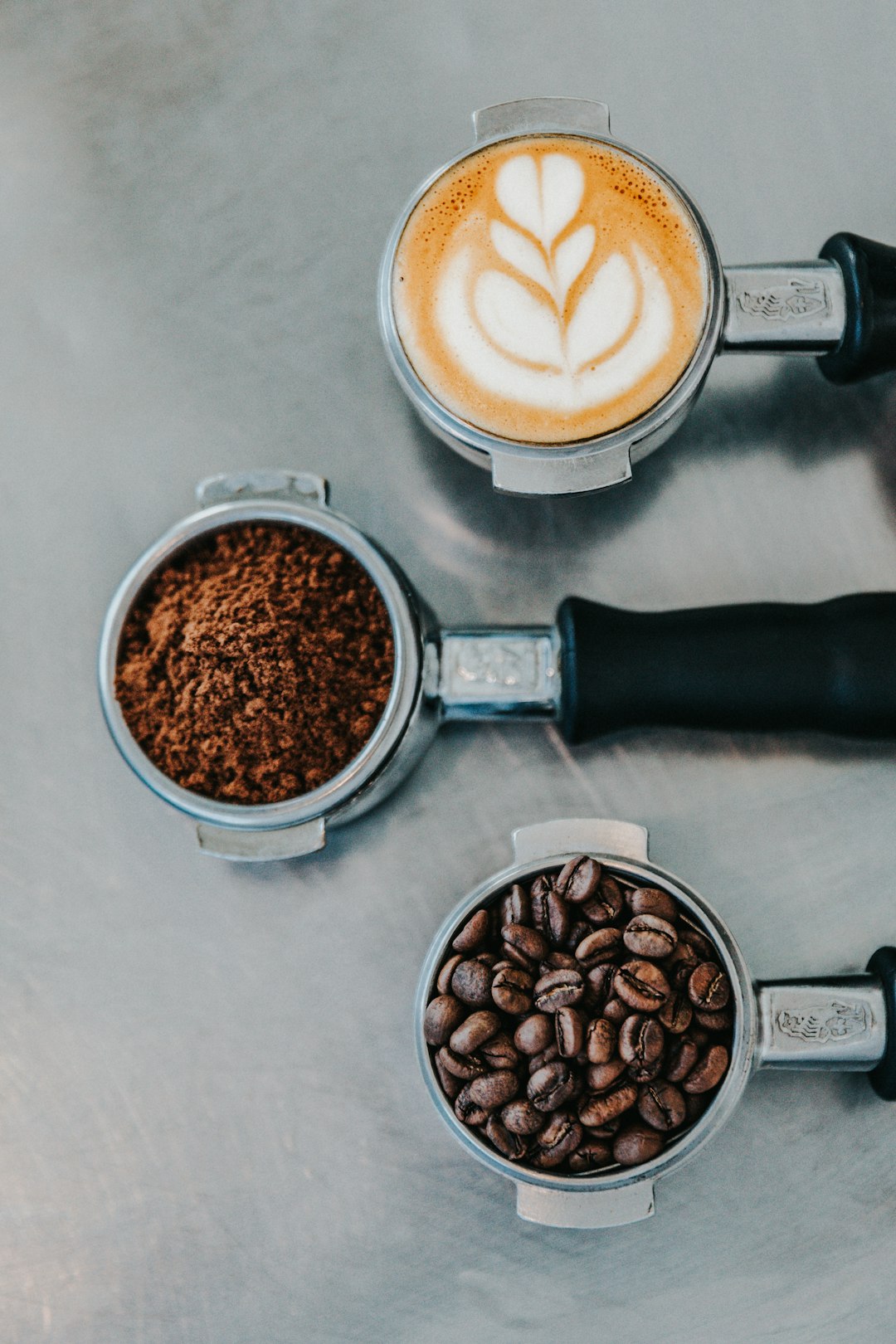
Trendy cafes have transformed urban landscapes into hubs of social interaction and culinary exploration, with success driven by immersive experiences catering to diverse customer preferences. Market research projects a 6.8% CAGR growth for the global cafe market valued at USD 207.4 billion in 2021. To stay competitive, cafe owners embrace plant-based options, local sourcing, technology for digital ordering, and interactive art. A well-crafted ambiance and design enhance customer experiences, with 75% of consumers more likely to return if they enjoy the look and feel. Menus reflect sustainability, local sourcing, and wellness trends like acai bowls and superfood drinks. Building a strong brand through strategic branding, unique experiences, and digital marketing is crucial for success in the competitive cafe market.
In today’s competitive landscape, popular and trendy cafes have emerged as vibrant hubs, not just for coffee lovers but for social interaction and cultural exchange. These establishments reflect evolving consumer preferences for unique experiences and artisanal offerings. However, navigating the sea of new cafe openings can be overwhelming, with many merely offering fleeting trends rather than lasting quality. This article provides an authoritative guide to help discerning patrons identify genuinely exceptional cafes that naturally stand out for their commitment to excellence, craftsmanship, and community engagement.
- Discovering the Rise of Trendy Cafes
- The Art of Cafe Ambiance and Design
- Exploring Cafe Menus: Trends and Delights
- Building a Successful Cafe Brand
Discovering the Rise of Trendy Cafes
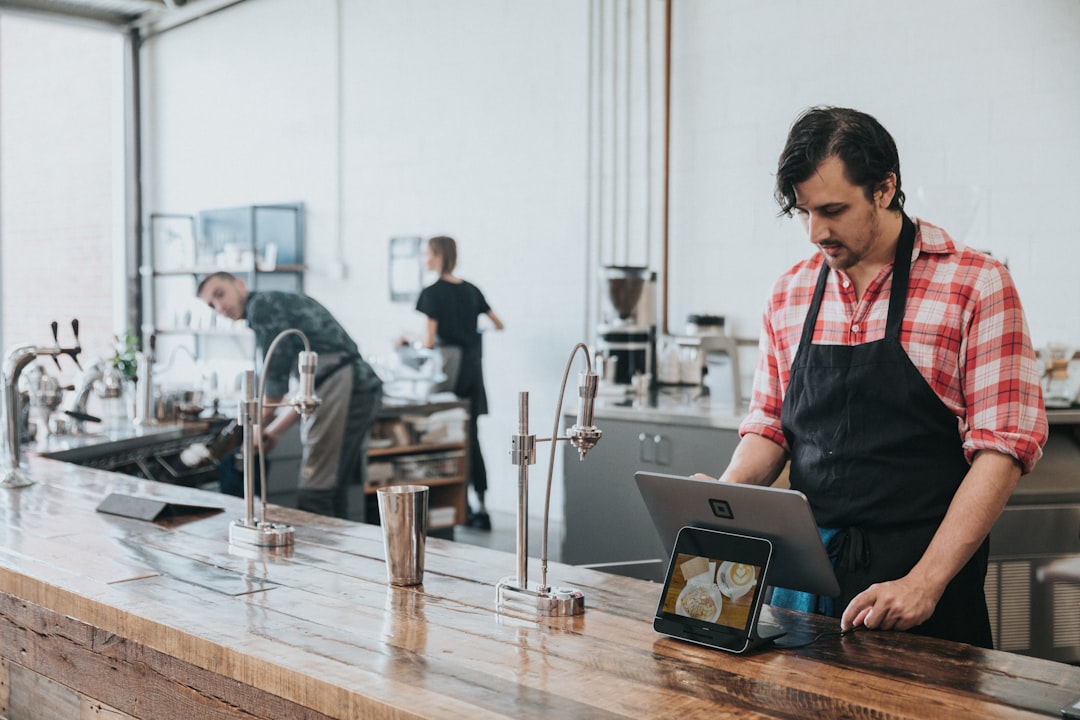
The rise of trendy cafes has been a noticeable phenomenon in recent years, transforming urban landscapes into vibrant hubs of social interaction and culinary exploration. This shift is not merely about serving coffee; it represents a deliberate move towards creating immersive experiences that cater to diverse customer preferences. The success of these cafes lies in their ability to merge aesthetics, ambiance, and innovative menu concepts, thereby drawing in crowds seeking more than just a caffeine fix. For instance, the global trend of specialty coffee shops has led to a surge in demand for unique brewing methods and ethically sourced beans, with consumers actively seeking out experiences that align with their values.
According to market research firm Grand View Research, the global cafe market size was valued at USD 207.4 billion in 2021 and is expected to expand at a compound annual growth rate (CAGR) of 6.8% from 2022 to 2030. This growth is driven not just by increasing coffee consumption but also by the growing desire for spaces that foster community, creativity, and productivity. Trendy cafes often double as coworking spaces or cultural hubs, reflecting the changing role of these establishments in modern society. They serve as meeting points for like-minded individuals, artists, and professionals, fostering collaboration and cultivating a sense of belonging.
To capitalize on this trend, cafe owners and operators must stay attuned to evolving consumer tastes and preferences. Incorporating elements such as plant-based milks, gluten-free options, and locally sourced ingredients can set cafes apart in a competitive market. Additionally, leveraging technology for seamless digital ordering and loyalty programs enhances customer experiences while enabling efficient operations. For example, some cafes are integrating interactive art displays or live performances into their spaces, creating dynamic environments that attract customers and encourage repeat visits. By embracing these strategies, cafe owners can ensure their establishments remain vibrant, relevant, and appealing to a diverse range of patrons in the ever-changing landscape of urban dining.
The Art of Cafe Ambiance and Design
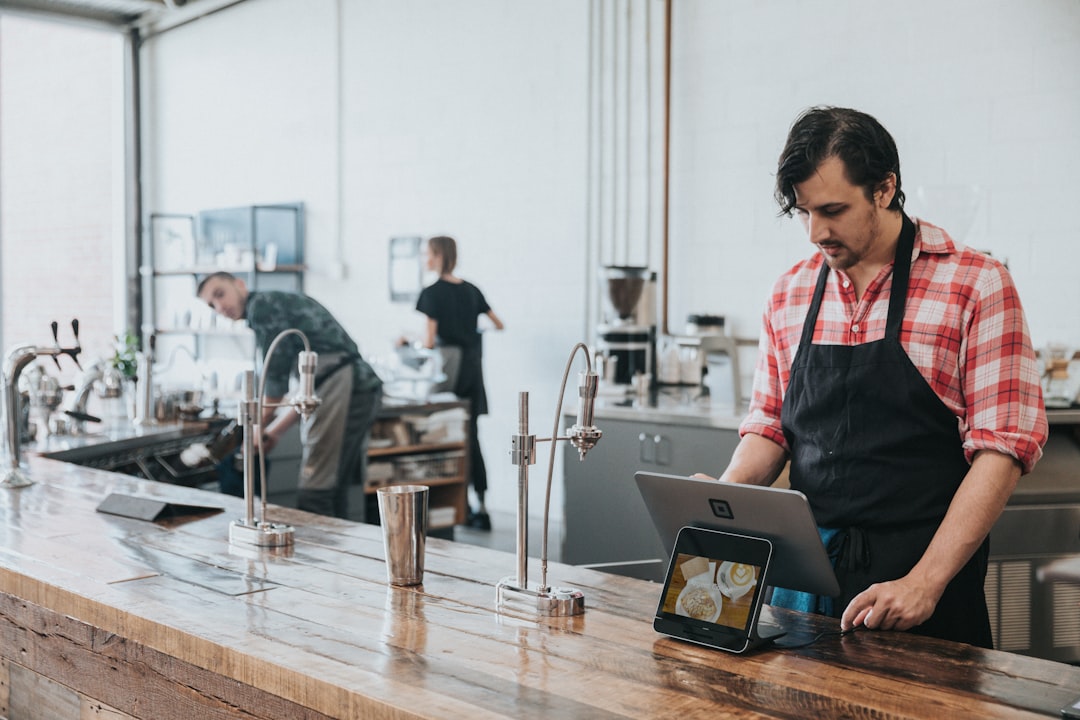
The art of cafe ambiance and design is a subtle yet powerful tool in the competitive world of culinary experiences. A well-crafted environment can transform a simple stop for coffee into an immersive journey, drawing patrons back time and again. It’s not just about aesthetics; it involves carefully curating every element to evoke specific emotions and create a unique atmosphere that reflects the cafe’s brand and purpose. For instance, consider the trend of industrial-chic cafes. This design aesthetic, characterized by exposed brick walls, raw wood, and metal accents, has gained popularity worldwide. Such an ambiance not only appeals to a wide range of customers but also aligns with many cafe owners’ desire to showcase their space as a modern, urban retreat.
According to recent market research, approximately 75% of consumers are more likely to return to a cafe if they enjoy its overall look and feel. This statistic underscores the significance of ambiance in the cafe industry. Creating a captivating space starts with understanding your target audience. For a student-focused cafe, a vibrant, colorful interior with plenty of natural light and comfortable seating areas can foster productivity and community. In contrast, a corporate cafe might opt for a more subdued, professional design to promote focus and collaboration during business hours. The key is to strike a balance between aesthetics and functionality, ensuring that the space not only looks inviting but also supports the intended experience.
Expert designers often emphasize the importance of storytelling through design. Each element should contribute to a cohesive narrative that resonates with customers. This could mean incorporating local art on the walls, using sustainable materials, or arranging furniture in ways that encourage conversation and interaction. For example, a cafe with a strong community focus might feature a large community board where customers can share events and announcements, fostering a sense of belonging. By integrating design elements that reflect the cafe’s identity and values, owners can create a space that feels welcoming and authentic, setting their establishment apart from others in the neighborhood.
Exploring Cafe Menus: Trends and Delights
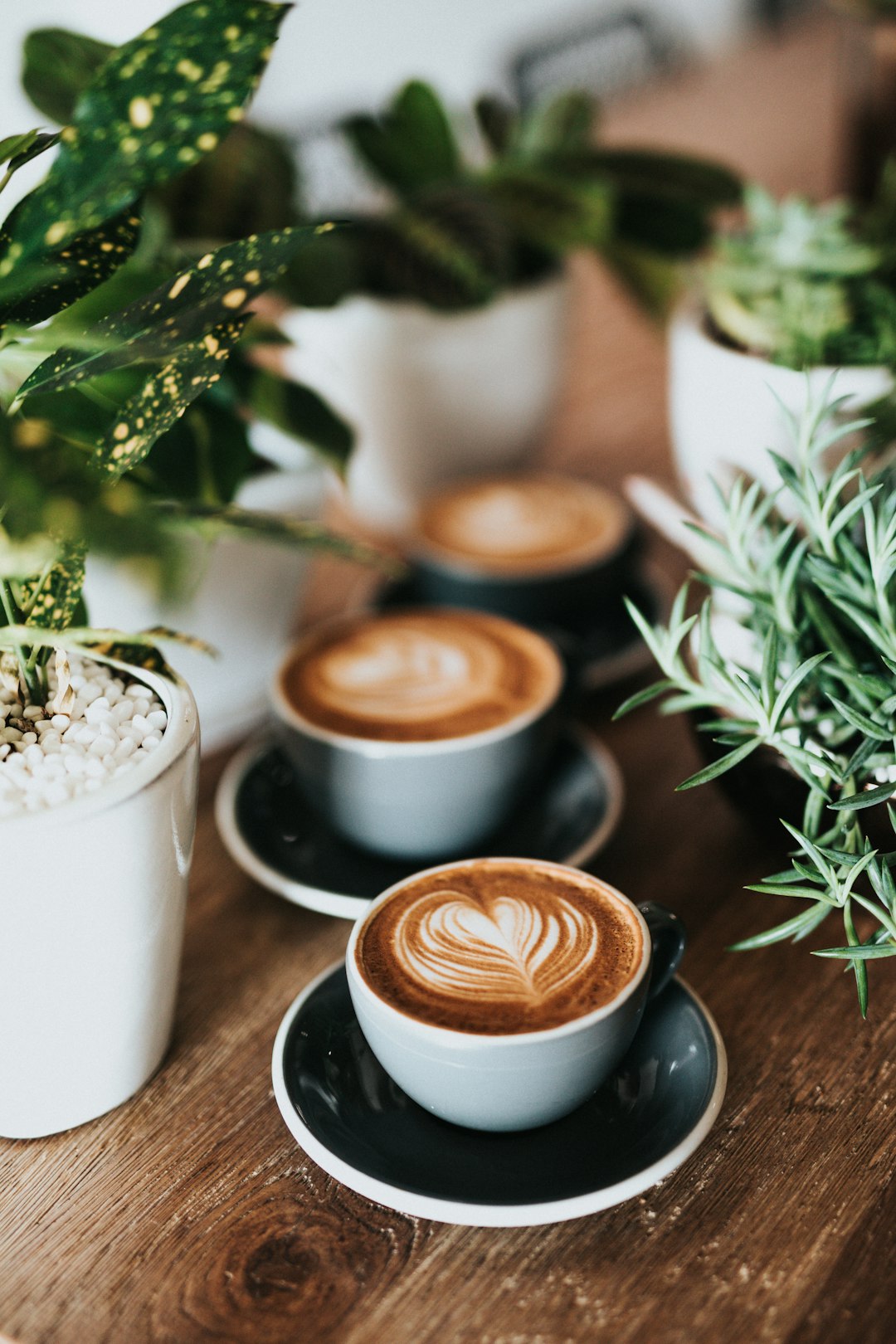
Cafe menus have evolved significantly over the past decade, reflecting not just changes in consumer tastes but also a deeper commitment to sustainability, local sourcing, and innovative culinary practices. Trends such as plant-based alternatives, gluten-free options, and specialty drinks like matcha lattes and cold brew have become mainstream, with cafes naturally stepping up their game to meet these demands. For instance, according to a 2022 global study, the plant-based milk market is projected to grow at a CAGR of 13.4% from 2022 to 2030, underscoring the growing preference for alternative milks in cafe menus worldwide.
One notable trend in modern cafe menus is the emphasis on local and seasonal ingredients. Many cafes now source their produce directly from nearby farms, promoting sustainability and ensuring customers enjoy ingredients at their peak freshness. This approach not only supports local economies but also allows chefs to create more unique dishes that showcase the region’s culinary identity. For example, a coffee shop in Seattle might feature locally sourced, fair-trade beans alongside seasonal fruit in its morning pastries, while a cafe in Tuscany could offer dishes made with fresh, locally grown vegetables and olive oil.
Moreover, cafes are increasingly incorporating wellness trends into their menus. Options like acai bowls, smoothie bowls, and superfood-infused drinks cater to health-conscious consumers. These items not only provide customers with nutritional benefits but also contribute to the cafe’s image as a place that prioritizes holistic well-being. By offering such diverse options, cafes can appeal to a broader range of patrons—from those seeking a quick energy boost to individuals looking for more substantial, nutritious meals.
Building a Successful Cafe Brand
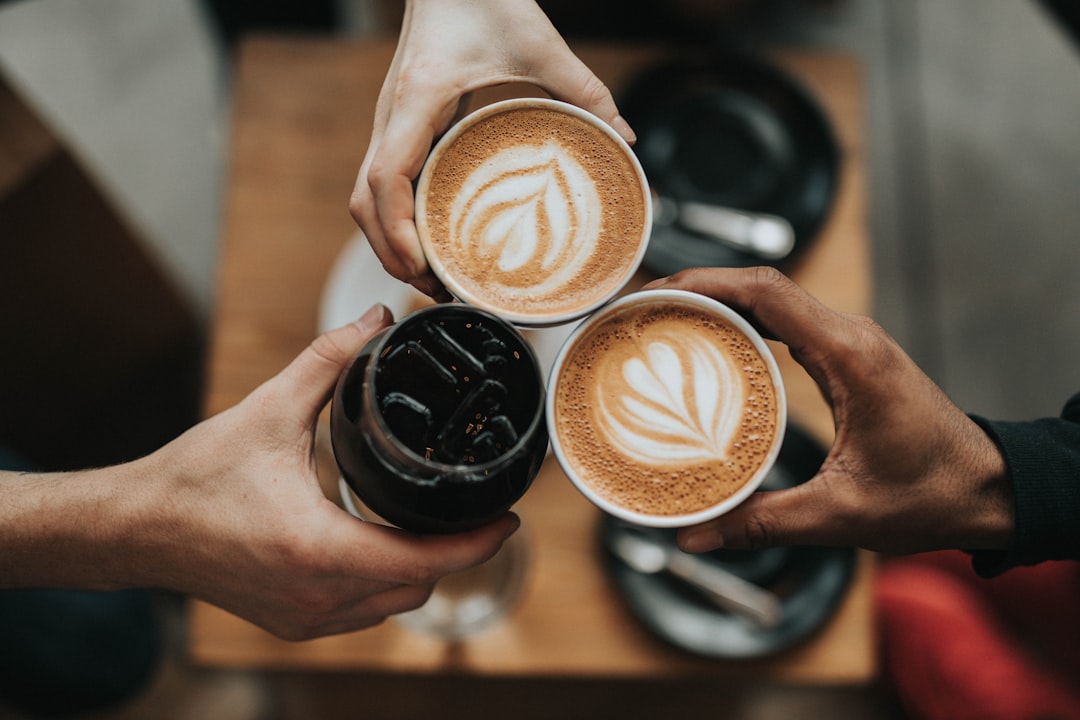
In today’s competitive cafe landscape, building a successful brand is more crucial than ever to stand out from the crowd. A strong cafe brand doesn’t just serve as a logo or catchy slogan; it encompasses the entire customer experience, from ambiance and menu offerings to online presence and community engagement. Research shows that 84% of consumers say they’re willing to pay more for better experiences, underscoring the importance of crafting a memorable and differentiated brand in the cafe sector.
One key aspect is creating a unique value proposition (UVP). Successful cafes often carve out their niche by focusing on specific elements—be it artisanal coffee beans, organic and locally sourced ingredients, or an immersive ambiance designed to inspire creativity. For instance, Blue Bottle Coffee has cultivated a devoted following through its commitment to single-origin, ethically sourced beans, while The Blue Bottle offers not just coffee but a carefully curated experience that appeals to the senses. This strategic differentiation is vital in attracting and retaining customers who are increasingly conscious of brand values and experiences.
Additionally, leveraging digital tools effectively can significantly enhance a cafe’s brand reach and engagement. Social media platforms, particularly Instagram, provide an excellent avenue for showcasing visuals and storytelling elements unique to each cafe. For example, Stumpt has leveraged Instagram beautifully by featuring intriguing shots of its signature drinks against striking backdrops, creating a distinctive visual identity that resonates with its target audience. Online reviews and ratings also play a pivotal role; according to a 2022 survey, nearly 93% of consumers read online reviews for local businesses, making positive reviews and active engagement crucial for brand visibility and credibility. By combining strategic branding, immersive experiences, and digital savvy, cafes can forge lasting connections with their customers and thrive in the competitive market.
By exploring the rise of trendy cafes, delving into their ambiance, menu trends, and brand-building strategies, this article has unveiled a wealth of insights for aspiring cafe owners and enthusiasts alike. Key takeaways include the power of unique, immersive atmospheres to attract customers; the importance of menus reflecting current culinary trends while offering classic comfort foods; and the necessity of establishing a distinct, memorable brand identity. To apply these learnings, consider analyzing local market demands, curating an engaging interior design, and crafting a menu that balances innovation with familiarity. Ultimately, success in the competitive cafe scene requires a blend of creativity, attention to detail, and a deep understanding of your target audience—all naturally woven into the very essence of your cafe brand.