Modern cafes have evolved into multifunctional urban hubs, offering social interaction, creativity, and relaxation. Market growth in the UK is driven by specialty coffee and unique concepts. Cafe owners should develop distinct branding, offer diverse experiences, and host events to capitalize on this trend. Global cafe culture varies regionally, from Italian espresso rituals to Australian coffee roasting innovation. Technology and digital platforms will continue to shape the future of cafes while preserving human connection, with virtual/augmented reality potentially revolutionizing experiences.
In today’s dynamic urban landscape, cafes have evolved beyond mere destinations for coffee. They serve as vibrant hubs where communities converge, ideas exchange, and cultures intertwine. As our lifestyles become more fast-paced, the search for that perfect cafe—a space that combines exceptional coffee, inviting ambiance, and a menu tailored to modern tastes—has become a quest worthy of exploration. This article delves into the world of popular and trendy cafes, offering insights into their appeal, unique characteristics, and the factors that set them apart in a competitive market. By navigating this dynamic arena, we uncover the secrets behind these thriving establishments, providing valuable guidance for both casual patrons and industry professionals alike.
- Discovering the Rise of Trendy Cafes
- Unlocking Cafe Culture: A Global Perspective
- Navigating Trends: The Future of Cafes
Discovering the Rise of Trendy Cafes

In recent years, the rise of trendy cafes has been a noticeable phenomenon across urban landscapes. This shift is not merely about offering a place to sip coffee; it reflects a deeper cultural change where cafes have evolved into multifunctional spaces that cater to diverse customer needs and preferences. The modern cafe has become a hub for social interaction, creativity, and relaxation, incorporating elements such as co-working spaces, art exhibitions, and live music events. For instance, according to global market research firm Mintel, the UK coffee shop market is expected to reach £12.7 billion by 2024, with specialty coffee and unique cafe concepts driving this growth.
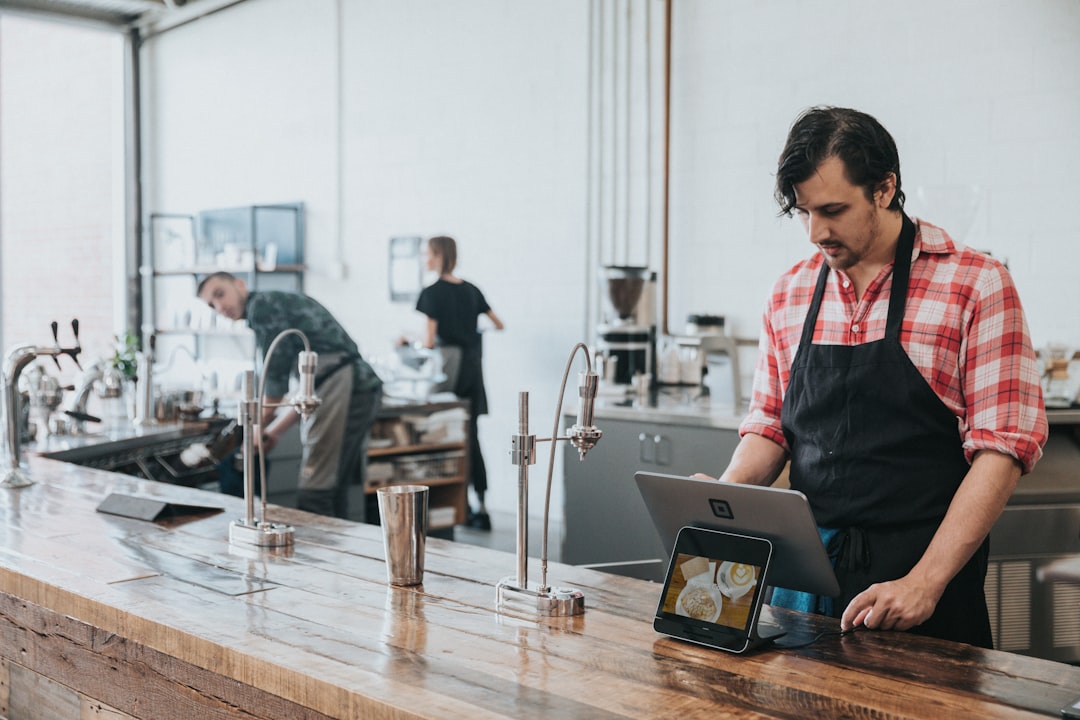
Trendy cafes leverage technology and a deep understanding of their target audience to create immersive experiences that attract and retain patrons. They often incorporate innovative design elements, such as open-concept layouts, biophilic features, and state-of-the-art audio-visual equipment, to cater to the sensory preferences of modern consumers. For example, cafes in major cities like New York and Tokyo have embraced digital art installations and interactive displays, transforming traditional cafe spaces into dynamic environments that encourage extended stays and social engagement. Moreover, these cafes leverage online platforms for targeted marketing, offering loyalty programs and personalized recommendations via apps to build strong customer relationships.
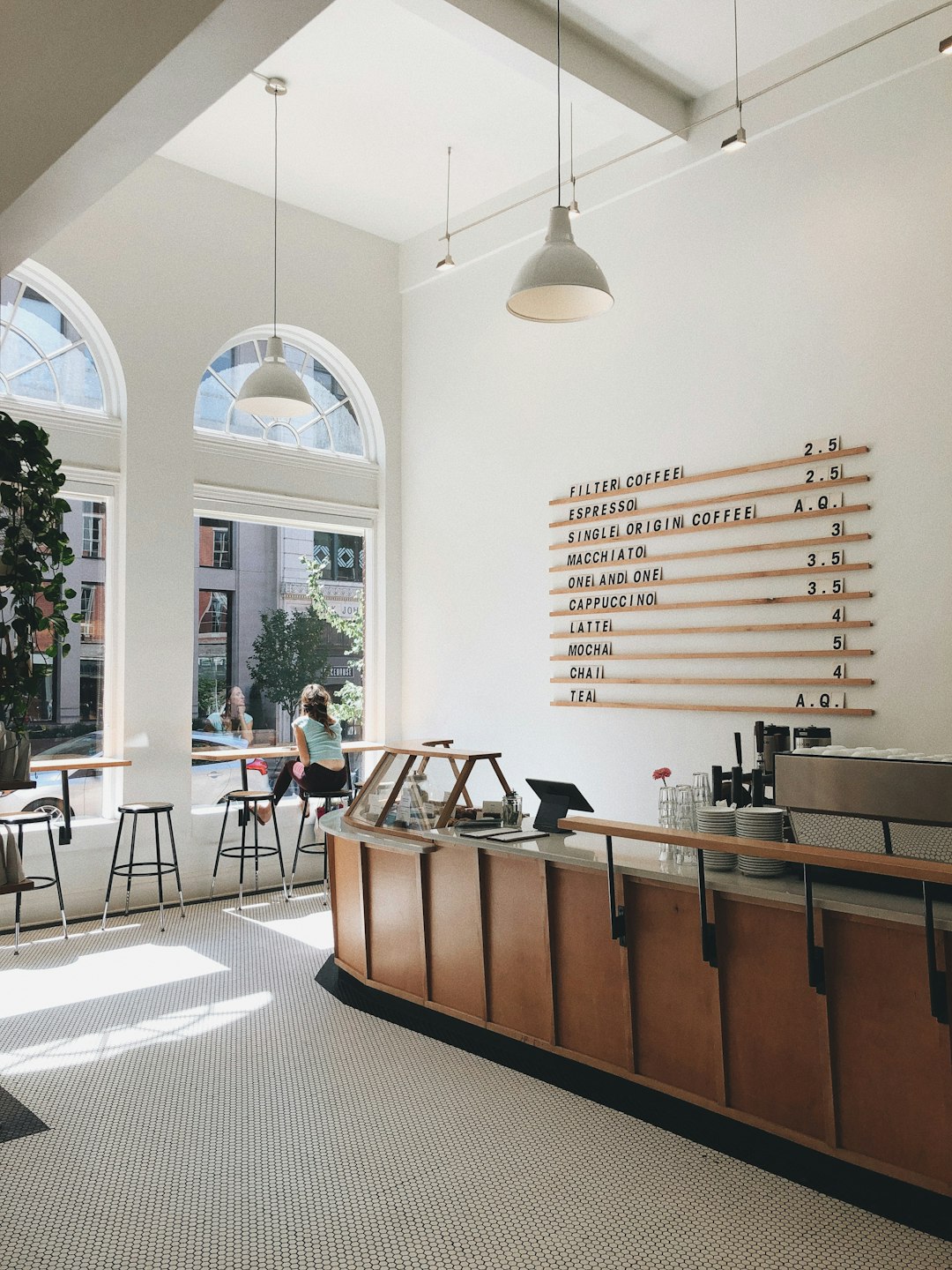
To capitalize on the trend, cafe owners must focus on creating a unique brand identity that resonates with their target market. This involves curating an exceptional menu that goes beyond traditional coffee and tea options, incorporating locally sourced ingredients and innovative recipes. For instance, plant-based milk alternatives and gluten-free baked goods have become popular among health-conscious consumers. Additionally, offering a variety of seating areas, from cozy nooks to communal tables, can cater to different customer preferences and foster a sense of community within the cafe environment. Regular events, such as book clubs, art workshops, or local musician performances, can also enhance the appeal and loyalty of regular patrons.
Unlocking Cafe Culture: A Global Perspective
Cafe culture has evolved into a global phenomenon, transcending borders and uniting communities around the world through shared experiences and the simple pleasure of gathering. In cities like Paris, Tokyo, and New York, cafes are not just establishments serving coffee; they are social hubs where ideas exchange, friendships form, and local identities flourish. Globally, the cafe has become a stage for cultural expression, reflecting the diverse tastes, traditions, and aesthetics of its respective regions. For instance, Italian cafés are renowned for their espresso-driven rituals and cozy ambiance, while Japanese tea houses offer a serene setting for savouring traditional matcha.
This global diversity in cafe culture underscores the importance of authenticity. When exploring popular and trendy cafes, it’s crucial to delve into the local context. In Melbourne, Australia, for example, cafes have become integral to the city’s vibrant street life, with baristas pushing boundaries in coffee roasting and brewing techniques. Similarly, in Mexico City, cafes often double as community centres, hosting literary events, art exhibitions, and political discussions. Embracing these cultural nuances allows visitors not only to appreciate the café experience but also to gain deeper insights into the communities they serve.
Unlocking the full potential of a cafe experience involves more than just sampling diverse brews and pastries; it’s about engaging with the community, embracing local traditions, and immersing oneself in the unique atmosphere each cafe offers. To achieve this, travelers and enthusiasts should prioritize research and connection. Utilizing online platforms to discover hidden gems, following local influencers, and joining community groups can unlock doors to authentic cafe experiences. Ultimately, the global perspective on cafe culture invites us to appreciate not just a cup of coffee, but a cultural exchange that transcends borders and unites humanity through shared moments in time.
Navigating Trends: The Future of Cafes
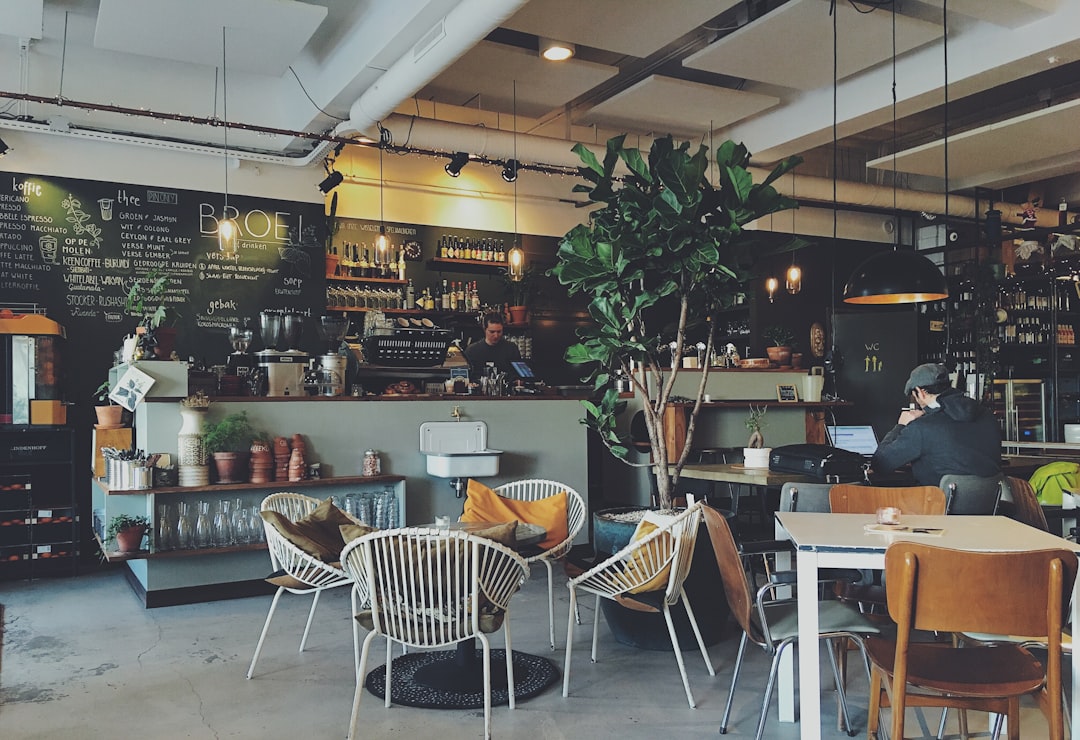
The cafe landscape is an ever-evolving realm where trends come and go, shaped by shifting consumer preferences and technological advancements. To stay relevant, cafes must be adept at navigating these changes, embracing innovation while preserving the core elements that define a cozy and welcoming space. One of the most significant trends in recent years has been the rise of experiential cafes—venues designed to offer more than just coffee and snacks. These cafes become cultural hubs, fostering community engagement through events, art exhibitions, and unique interior designs, creating memories for patrons beyond the usual café experience.
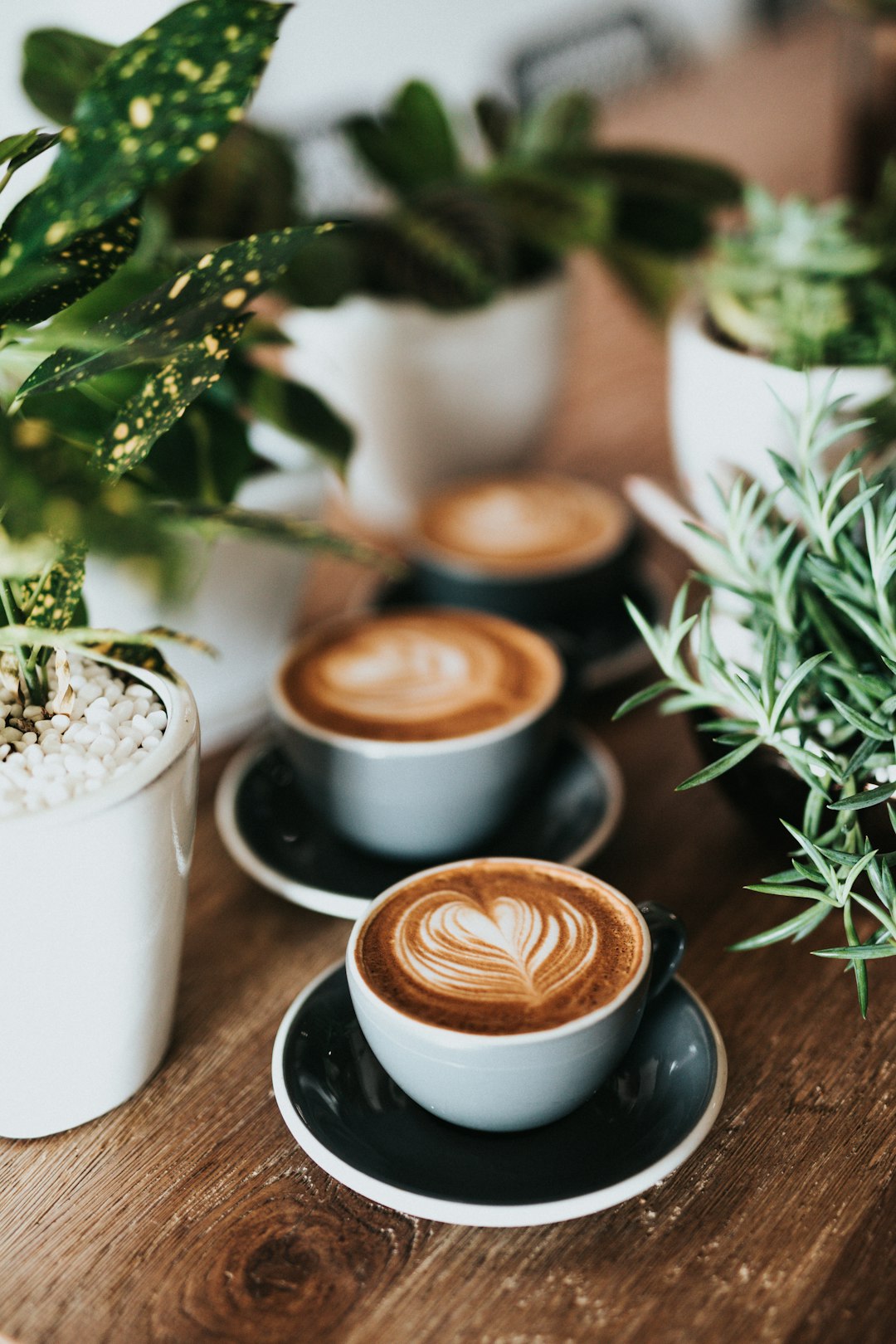
For instance, consider the success of specialty coffee shops that have transformed the ordinary caffeine fix into a sensory journey. With an emphasis on ethically sourced beans, masterful barista skills, and intricate latte art, these cafes cater to coffee connoisseurs and enthusiasts alike. Such establishments often incorporate interactive elements like educational workshops or partnerships with local farmers, fostering a deeper connection between customers and their drinks. This strategy not only enhances customer satisfaction but also builds brand loyalty, as evidenced by the thriving specialty coffee culture in major cities worldwide.
Looking ahead, technology will continue to play a pivotal role in shaping the future of cafes. Digital platforms offer opportunities for seamless ordering, personalized recommendations, and efficient delivery services. Moreover, integrating interactive tech like virtual reality or augmented reality could revolutionize the cafe experience, creating immersive environments that attract tech-savvy customers. However, as cafes embrace these trends, maintaining a balance between innovation and tradition is crucial to ensure that the human connection and warmth often associated with cafes are not lost in the digital transition.
The exploration of popular and trendy cafes reveals a dynamic global phenomenon. Key insights underscore the rising importance of these establishments as cultural hubs, reflecting diverse communities and innovative trends. By navigating current and future trends, cafe owners can capitalize on the growing demand for unique experiences, locally sourced products, and sustainable practices. Embracing technology, health-conscious options, and community engagement strategies naturally positions cafes to thrive in the evolving landscape. This article equips readers with a comprehensive understanding of the driving forces shaping the modern cafe scene, offering practical takeaways for staying ahead in this vibrant industry.