
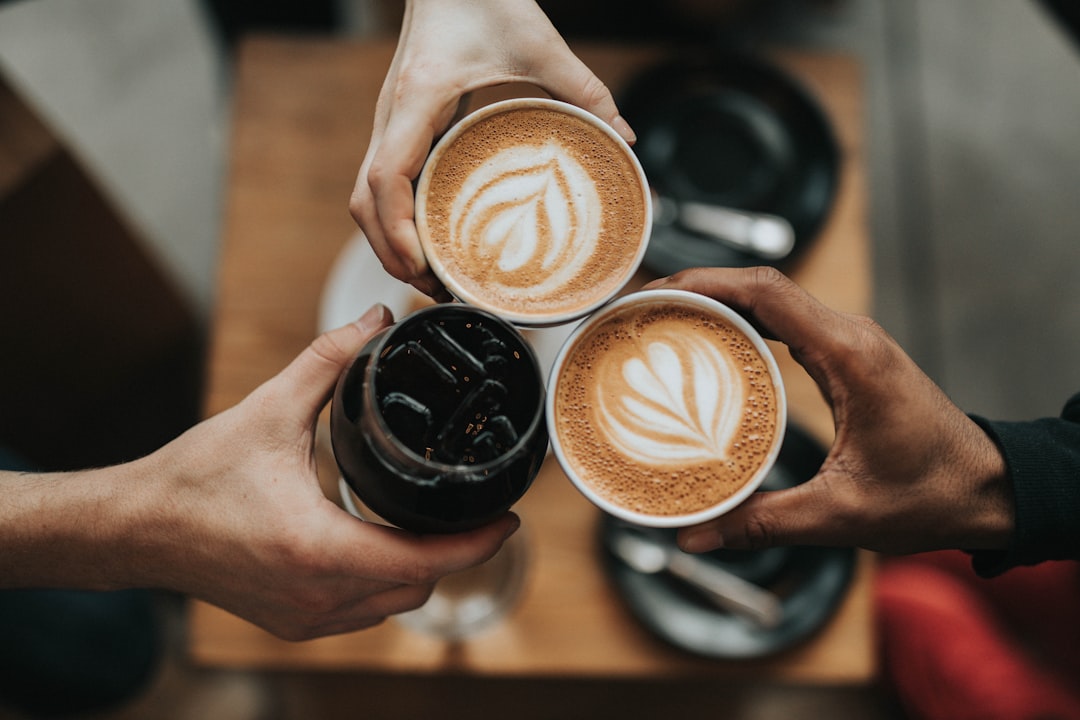
The cafe scene has evolved into a global trend, transforming urban spaces with diverse, aesthetically pleasing environments catering to varied tastes and lifestyles. Trendy cafes blend ambiance, art, and cuisine, offering specialty drinks, plant-based options, and unique food pairings while prioritizing sustainability. Each city's cafe culture reflects its identity, history, and culinary traditions. Key design elements include warm lighting, curated decor, and strategic layout to enhance the customer experience. Sourcing quality ingredients locally and innovatively curating menus are crucial for exceptional experiences that drive brand loyalty and keep cafes at the forefront of culinary trends "cafe naturally."
In today’s dynamic urban landscape, cafes have evolved from mere gathering spots to vibrant hubs of cultural exchange and culinary innovation. As our lifestyles become increasingly fast-paced, the charming ambiance and artisanal offerings of local cafes offer a respite from the hustle and bustle. However, navigating the sea of trendy establishments can be overwhelming, with new cafes popping up seemingly overnight, each vying for patrons’ attention. This article provides an authoritative guide to exploring popular and trendy cafes, equipping readers with the knowledge to discern exceptional experiences from mere fads. We delve into what makes a cafe truly stand out, offering insights that go beyond fleeting trends to uncover enduring appeal.
- Discovering the Rise of Trendy Cafes
- Unlocking Cafe Culture: A Global Perspective
- The Art of Cafe Design: Creating Inviting Spaces
- Sourcing and Serving: Cafe Cuisine Explored
Discovering the Rise of Trendy Cafes
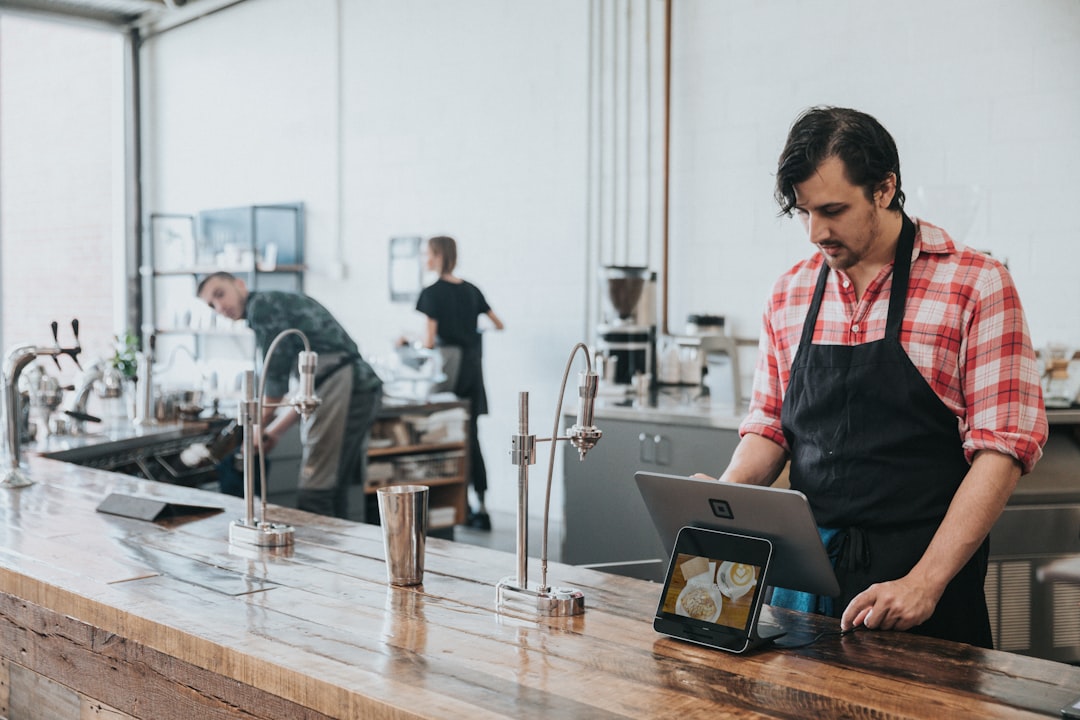
In recent years, the cafe scene has undergone a dramatic transformation, with trendy cafes emerging as hotspots for social interaction and culinary experiences. This rise reflects a broader cultural shift towards prioritizing unique, aesthetically pleasing spaces that cater to diverse tastes and lifestyles. According to a 2022 global report by Grand View Research, the global cafe market size was valued at USD 274.5 billion in 2021 and is expected to grow at a compound annual growth rate (CAGR) of 6.9% from 2022 to 2030. Within this dynamic landscape, trendy cafes have carved out their niche by offering more than just coffee; they serve as community hubs, creative incubators, and cultural magnets.
The appeal of trendy cafes lies in their ability to blend ambiance, art, and cuisine seamlessly. These establishments often boast eye-catching interior designs that range from industrial chic to cozy rustic—a stark contrast to the sterile corporatization of traditional coffee chains. They cultivate an atmosphere that encourages productivity, creativity, and social gatherings, attracting a diverse range of patrons from freelancers to students to young professionals. For instance, cafes like Blue Bottle Coffee in San Francisco have gained cult followings for their commitment to high-quality beans, minimalism, and community engagement through events and workshops.
However, the success of trendy cafes extends beyond aesthetics and ambiance. They also cater to evolving consumer preferences, offering specialty drinks, plant-based options, and unique food pairings that keep patrons coming back for more. Data from market research firm Mintel reveals that 45% of consumers worldwide are now looking for healthier and more sustainable cafe options. Trendy cafes have been at the forefront of this trend, incorporating organic ingredients, reducing waste, and promoting ethical sourcing practices. By embracing these shifts, cafes not only cater to consumer demands but also contribute to a more sustainable food culture.
Unlocking Cafe Culture: A Global Perspective
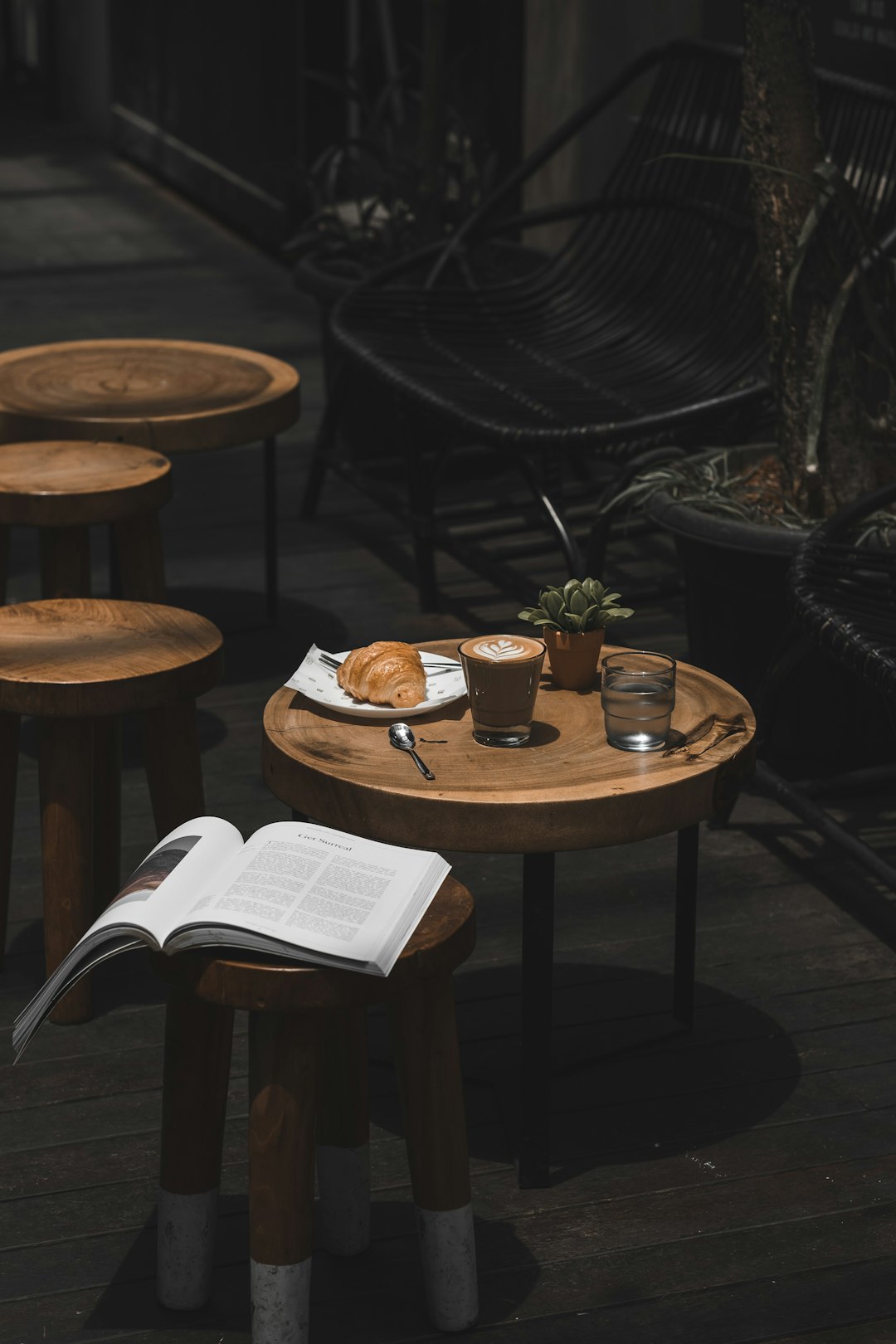
In today’s globalized world, cafe culture has become an integral part of urban landscapes across continents, evolving from a simple place to drink coffee into vibrant hubs where communities gather, ideas exchange, and unique local identities are celebrated. This dynamic trend transcends borders, reflecting diverse cultural expressions and culinary traditions. For instance, the traditional Italian espresso bar offers a stark contrast to the relaxed, plant-filled cafes of Tokyo or the bustling tea houses of Mumbai. Understanding these global variations is key to appreciating the depth and richness of cafe culture worldwide.
Uncovering the essence of each city’s cafe scene involves delving into local customs, history, and culinary preferences. In many European cities, cafes have long served as intellectual salons, fostering discussions that shaped art, literature, and politics. This legacy continues today, with independent cafes preserving a sense of community and offering spaces for creativity to flourish. For example, the cozy bookshops-cafes of Berlin attract writers and artists, fostering a culture of intellectual exchange. In contrast, the cafe culture in Latin America is deeply intertwined with music and dance, with lively venues that double as cultural centers where traditional rhythms pulsate through the air.
When exploring popular and trendy cafes globally, it’s crucial to look beyond mere aesthetics or fleeting trends. The most memorable cafe experiences often lie in places where history meets innovation, tradition embraces modernity, and local flavors dominate. For instance, a modern café in Tokyo might blend contemporary design with ancient Japanese tea ceremonies, offering customers an immersive cultural experience. Similarly, cafes in the Middle East have traditionally been social hubs, featuring intricate architecture and luxurious interiors, while incorporating unique local beverages like Turkish coffee or Moroccan mint tea. To unlock these cultural insights, travelers and enthusiasts are encouraged to venture beyond popular tourist spots, seeking out hidden gems frequented by locals—a surefire way to immerse oneself in the genuine cafe culture of any destination.
The Art of Cafe Design: Creating Inviting Spaces
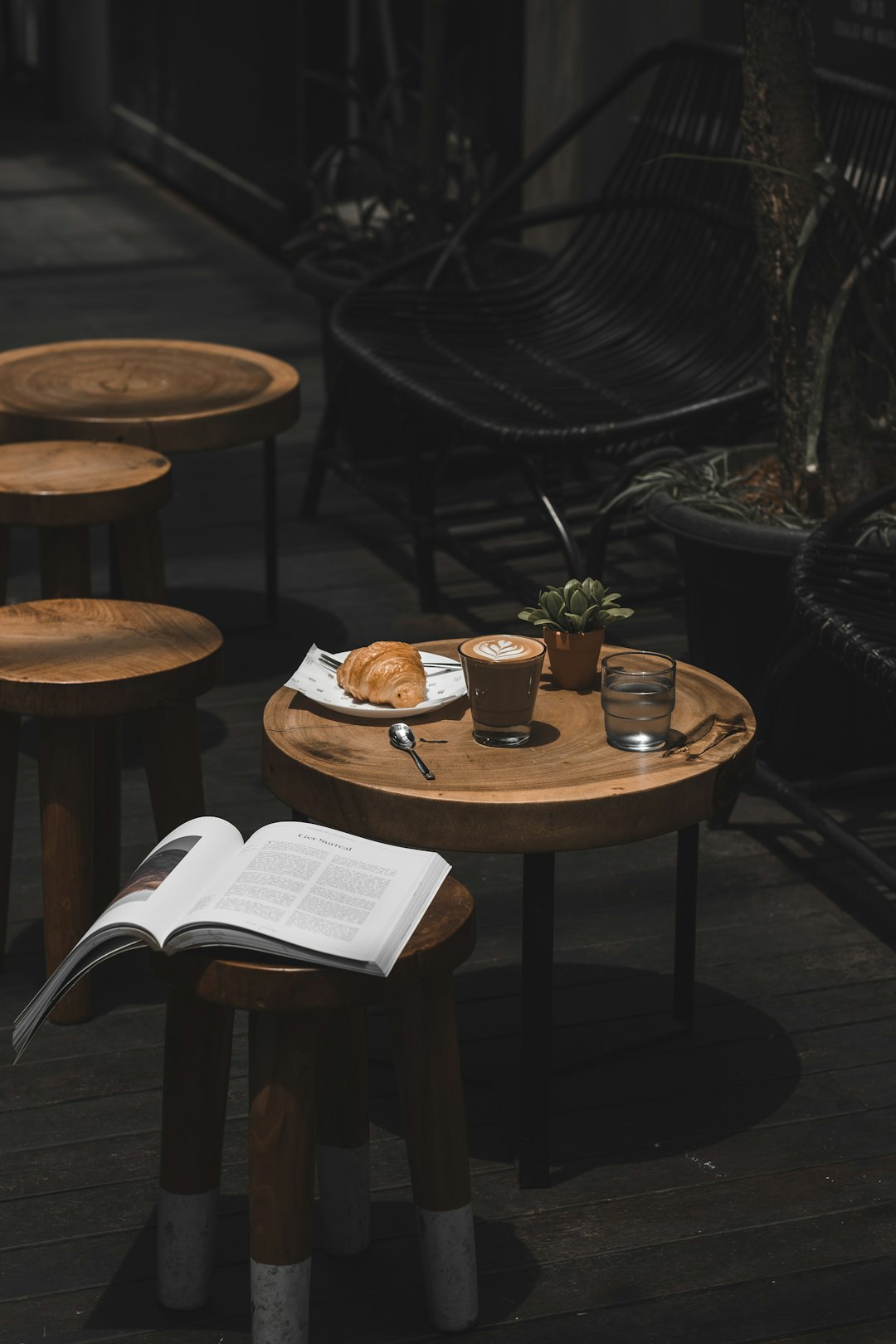
The art of cafe design transcends mere aesthetics; it’s a science of creating inviting spaces that resonate with patrons. Successful cafes understand this, meticulously crafting environments that encourage lingering, conversation, and community. Think warm, inviting lighting, a mix of intimate seating areas and open spaces for diverse social dynamics, and carefully curated decor that tells the brand story. For instance, boutique coffee shops often employ industrial elements like exposed brick and reclaimed wood, fostering an ambiance of rustic sophistication. Conversely, modern cafes may opt for minimalist designs featuring clean lines, neutral tones, and natural materials like plants and wood accents, appealing to a tech-savvy crowd seeking simplicity and calm.
Data shows that customer experience is heavily influenced by the cafe’s physical layout. A study by GlobalWebIndex revealed that 73% of consumers judge a business based on its online presence and physical appearance. This underscores the importance of design in driving foot traffic and fostering loyalty. Cafe owners should consider their target demographic, brand identity, and unique selling points when designing or reimagining their spaces. Incorporating local art, for instance, can cultivate a sense of place while showcasing community support. Comfortable seating arrangements, ample charging stations, and Wi-Fi accessibility are also key to appealing to modern patrons who seek both work and relaxation in their cafe experiences.
Beyond physical aesthetics, the art of cafe design extends to sensory elements. Aromas wafting from freshly brewed coffee, the gentle hum of conversation, and the visual appeal of artfully presented food all contribute to a memorable experience. Expert cafes leverage these senses to create immersive environments that differentiate them from competitors. For example, specialty coffee shops might feature exposed grain sacks or interactive coffee art to engage customers and enhance their sensory journey. By prioritizing design as a strategic tool, cafes can elevate themselves from mere stops to destinations in their own right, fostering brand loyalty and driving business success.
Sourcing and Serving: Cafe Cuisine Explored
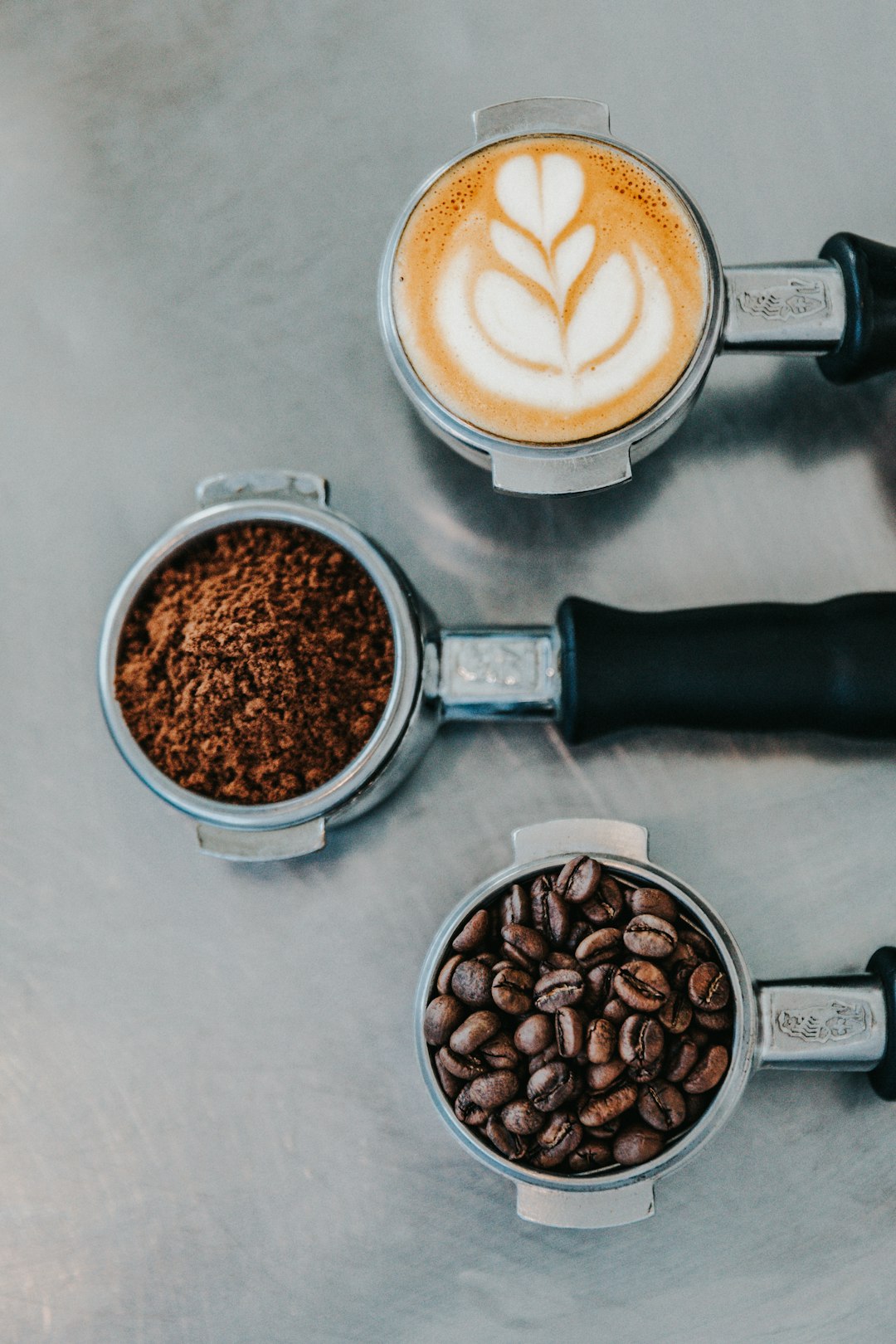
In the realm of cafes, where aroma and ambiance intertwine, the art of sourcing and serving stands as a cornerstone of exceptional experiences. Cafe cuisine is not merely about brewing beverages or baking goods; it’s an intricate dance between quality ingredients, culinary creativity, and customer expectations. Today’s trendy cafes often pride themselves on curating unique menus that reflect their brand identity and cater to diverse palates.
Sourcing fresh, locally grown produce has become a prominent trend, with many cafe owners fostering partnerships with nearby farms. This approach ensures not only the highest quality ingredients but also supports local agriculture. For instance, a cafe in a bustling city center might collaborate with nearby organic farms to source seasonal fruits and vegetables for their daily specials. Such practices not only contribute to a more sustainable food system but also allow chefs to create dynamic menus that evolve with the changing seasons. Customers appreciate the authenticity and freshness inherent in these offerings, fostering a loyal customer base.
When it comes to menu development, cafes have become laboratories for culinary innovation. They experiment with diverse cuisines, fusion flavors, and unique presentations. For example, a modern cafe might blend traditional coffee brewing techniques with Middle Eastern spices to create a signature house blend. Similarly, dessert menus often showcase creative interpretations of classic treats, using locally sourced ingredients and innovative preparation methods. These offerings not only satisfy customers’ cravings but also reflect the cafe’s commitment to staying at the forefront of culinary trends. By combining high-quality ingredients with expert preparation, cafes naturally elevate the dining experience, making each visit memorable.
The exploration of popular and trendy cafes reveals a dynamic global phenomenon that transcends mere hospitality. Key insights underscore the transformative power of well-designed spaces, emphasizing comfort and community. Cafe culture, a worldwide trend, showcases diverse culinary offerings, from artisanal beverages to locally sourced cuisine. The article highlights the importance of sourcing quality ingredients and crafting unique experiences. By combining aesthetic appeal with exceptional service, cafes have evolved into cultural hubs fostering connection and creativity. Readers gain valuable knowledge on navigating this vibrant landscape, inspiring them to both appreciate and contribute to the thriving cafe culture naturally inherent in modern urban life.