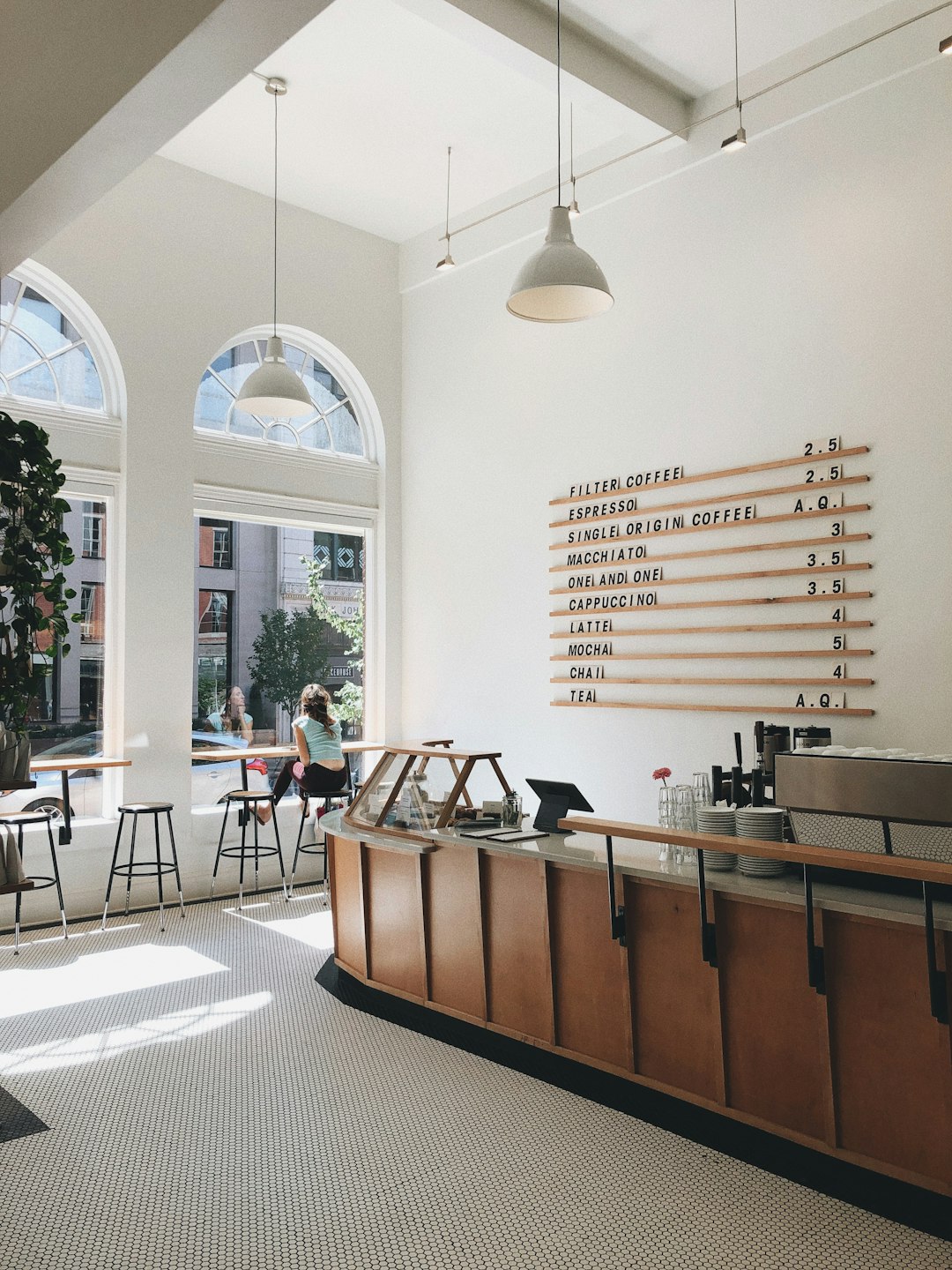
Cafe naturally excels by prioritizing hygiene standards, ambiance, and design for exceptional customer experiences. Robust hygiene practices, including clean surfaces and protective gear, enhance cleanliness and customer satisfaction, with 90% more likely to return. Strategic design choices, such as lighting, seating, and thematic elements, create inviting atmospheres fostering loyalty. Regular deep cleaning and strategic ambiance curation differentiate cafes in a competitive market, encouraging community connections and memorable experiences. Cafe owners should invest in staff training, health inspections, and customer feedback for continuous improvement.
In the highly competitive cafe landscape, ensuring cleanliness and a welcoming ambiance is more than just a hygiene protocol; it’s a strategy to foster customer loyalty and attract folks seeking not just sustenance but an experience. However, navigating the bustling cafe scene can be challenging, especially for those with heightened health concerns or aesthetic preferences. This article delves into the art of evaluating cafe cleanliness and ambiance, providing insights that empower patrons to make informed choices. By understanding what to look for, we can navigate this vibrant yet complex culinary realm naturally, ensuring each café visit is a symphony of sensory delights.
- Evaluating Hygiene Standards in Cafes
- Assessing Ambiance: Comfort and Design
- Creating a Welcoming Cafe Experience
Evaluating Hygiene Standards in Cafes

Evaluating hygiene standards is a crucial aspect of assessing a cafe’s overall cleanliness and ambiance. It forms the bedrock upon which we judge the safety and quality of food and beverages served in these establishments. A cafe that prioritizes hygiene not only ensures customer satisfaction but also fosters trust and loyalty. When visiting any cafe, one should look for specific indicators that signal robust hygiene practices. For instance, clean surfaces free from spills or crumbs suggest regular cleaning routines. Similarly, gleaming equipment and utensils indicate proper sanitization procedures.
In a recent study, the National Restaurant Association reported that nearly 90% of consumers are more likely to return to a cafe if they perceive it as clean and hygienic. This data underscores the significant impact of hygiene on customer retention. Cafe naturally, high-traffic areas can quickly become breeding grounds for bacteria and viruses unless diligently maintained. Employees wearing gloves and aprons, especially during peak hours, is a positive sign. Additionally, well-stocked sanitation stations equipped with hand sanitizers, cleaning solutions, and disposable towels convey a commitment to cleanliness.
To ensure optimal hygiene standards, cafe owners should implement comprehensive training programs for staff on proper food handling and sanitation techniques. Regular inspections by health authorities can also serve as a benchmark for measuring and improving hygiene protocols. Customers themselves play a pivotal role in this process by voicing their concerns or praising exemplary cleanliness. This two-way communication loop encourages accountability and fosters an environment that prioritizes customer well-being above all else.
Assessing Ambiance: Comfort and Design

When assessing a cafe’s overall cleanliness and ambiance, one of the most significant aspects often overlooked is the comfort and design elements that shape the customer experience. A cafe that excels in this regard creates an environment where patrons not only feel welcomed but also find inspiration to linger and enjoy their time. The design should reflect the cafe’s brand identity, catering to its target audience while enhancing the sensory experience. For instance, a cozy bistro might opt for warm lighting, plush seating, and rustic decor, whereas a modern café could go for sleek furniture, vibrant accents, and minimalist aesthetics.
The ambiance sets the tone for how customers perceive the cafe’s offerings. Well-designed spaces encourage patrons to relax, socialize, or focus on their tasks, depending on the intended atmosphere. Comfortable seating arrangements, appropriate noise levels, and strategic placement of decor can significantly impact customer satisfaction. Studies show that people tend to stay longer and enjoy their visits more in cafes with thoughtful interior design. For example, a 2018 survey revealed that 73% of café patrons would return to a venue with aesthetically pleasing interiors, highlighting the direct correlation between ambiance and repeat business.
In terms of practical advice for cafe owners or evaluators, ensuring comfort should be a top priority. This involves careful selection of furniture, appropriate lighting levels, and temperature regulation. Incorporating elements that reflect the cafe’s theme while providing ample space for movement can foster a welcoming ambiance. For instance, potted plants not only add a touch of nature but also purify the air, creating a healthier environment. Similarly, strategic placement of mirrors or creative use of color can enhance the perception of space and make smaller cafes feel more expansive. Regular maintenance is key; ensuring that every corner of the cafe, from tables and chairs to flooring and fixtures, is well-maintained contributes to an overall clean and inviting atmosphere.
Creating a Welcoming Cafe Experience

Creating a welcoming cafe experience is an art that sets apart the ordinary from the extraordinary. It’s not just about serving delicious coffee; it’s about cultivating an environment that invites patrons to linger, relax, and enjoy their time. A clean and inviting ambiance plays a pivotal role in fostering this sense of welcome. Imagine stepping into a cafe where the air is crisp and fresh, surfaces gleam with care, and every detail contributes to a soothing atmosphere—this is the kind of experience that keeps customers coming back.
To achieve this, cafe owners must prioritize cleanliness and maintain high hygiene standards at all times. Regular deep cleaning sessions, including sanitizing high-touch areas like tables, doors, and handles, send a clear message about the establishment’s commitment to customer well-being. For instance, studies show that clean and tidy spaces can enhance people’s mood and cognitive performance, making them more likely to spend time in such environments. This is particularly relevant for cafes aiming to create a cozy, inviting space where patrons can focus on their work or enjoy a moment of tranquility.
The ambiance also extends beyond physical cleanliness. Soft lighting, comfortable seating, and thoughtful decor contribute to an inviting atmosphere. Incorporating natural elements like plants or warm, earthy tones can make a cafe feel more welcoming and homely. For example, a cafe with strategically placed potted plants not only adds a touch of greenery but also creates a sense of tranquility. Similarly, using local art or photography on the walls can foster a connection with the community, making patrons feel part of a unique space. By curating an ambiance that resonates with their target audience, cafes can create a memorable experience that stands out in a competitive market.
Checking cafe cleanliness and ambiance is a critical aspect of ensuring a positive experience for patrons. Key insights highlight the importance of evaluating hygiene standards, such as food handling practices and sanitation, to maintain health and safety. Ambiance, including comfort and design, plays a pivotal role in fostering a welcoming atmosphere. Creating a seamless cafe experience involves implementing practical steps like regular cleaning protocols, cozy seating arrangements, and aesthetically pleasing spaces. By prioritizing these aspects, cafe owners can naturally attract and retain customers, solidifying their establishment’s reputation as a desirable gathering place.