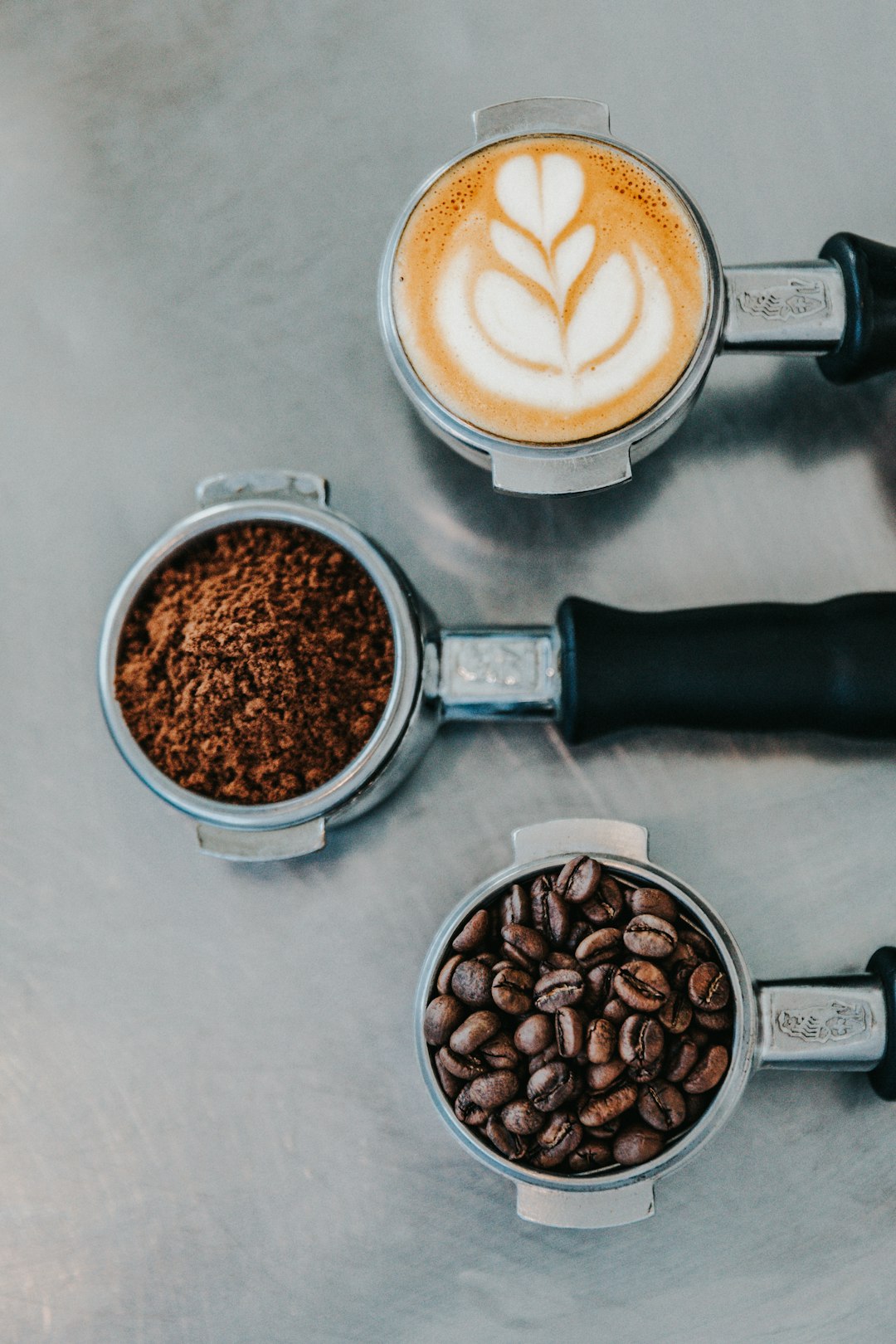
Pricing a cafe involves balancing art (customer experience) and science (cost management). Key factors include location, time of day, seasonality, ambiance, brand identity, and customer demographics. Segmenting the market and tailoring pricing to specific groups fosters loyalty. Compete with other cafes by analyzing their prices and unique value propositions. Implement strategies like cost-plus or dynamic pricing while reviewing and transparently communicating prices to satisfy diverse customers "cafe naturally."
In the competitive world of cafes, understanding pricing strategies is key to success. Assessing cafe pricing and value goes beyond mere cost; it’s about ensuring your offerings deliver genuine worth to customers. Today, with heightened consumer awareness and a surge in options—from artisanal roasts to gourmet fare—cafe owners must navigate a delicate balance. This article provides an authoritative guide to help you optimize pricing, enhance customer satisfaction, and drive profitability. We’ll explore practical strategies tailored to the cafe naturally, empowering you to make informed decisions that resonate with your clientele.
- Understanding Cafe Pricing Factors
- Analyzing Cost vs. Customer Perception
- Evaluating Competitive Landscape
- Strategies for Optimal Pricing and Value
Understanding Cafe Pricing Factors

Pricing a cafe is an art and a science, influenced by myriad factors unique to each establishment and its target market. A cafe’s value proposition isn’t solely about the cost of ingredients or labor; it encompasses the entire customer experience—from ambiance and menu curation to service quality and brand identity. For instance, a high-end coffee shop in a bustling metropolis may command premium prices for its meticulously sourced beans, chic decor, and personalized barista interactions, whereas an intimate, neighborhood cafe could offer competitive rates through economies of scale, simple aesthetics, and a focus on community engagement.
Geographic location plays a pivotal role in cafe pricing strategies. Urban areas tend to support higher price points due to increased overhead costs, rental expenses, and intense competition for foot traffic. Conversely, cafes in suburban or rural settings may operate with lower overheads, allowing for more flexible pricing models that cater to local preferences and economic realities. According to recent industry surveys, urban cafe patrons generally accept slightly higher prices for convenience and unique offerings, while suburban customers are more price-conscious and responsive to value-driven promotions.
Seasonal fluctuations and time of day also significantly impact cafe pricing. Peak hours, such as the morning rush or after-work happy hour, often warrant dynamic pricing strategies—higher prices during peak demand intertwined with discounted specials during quieter periods. Seasonal ingredients and menu items can similarly justify price adjustments. For example, a cafe might introduce a limited-edition fall beverage at a premium price point, leveraging seasonal flavors and aesthetics to attract discerning patrons who appreciate exclusive experiences. By staying attuned to these variables, cafe owners can optimize pricing strategies that not only maximize revenue but also enhance customer satisfaction.
Analyzing Cost vs. Customer Perception

In the cafe industry, understanding the relationship between cost and customer perception is paramount for pricing strategies to be both effective and sustainable. Pricing isn’t merely about costs; it’s an art that reflects a cafe’s unique value proposition. Customers don’t just pay for coffee; they experience a mood, ambiance, and often, a lifestyle. For instance, a premium-priced specialty cafe may attract customers who value not just the quality of beans but also the craftsmanship, aesthetics, and social interaction associated with their cafe naturally.
This dynamic can be explored through various lenses. One key aspect is recognizing that cost isn’t always a decisive factor in customer satisfaction or loyalty. A study by the National Cafe Association revealed that while 73% of customers consider price when choosing a cafe, over 60% reported that ambiance and quality of service were significant influences on their overall experience. This suggests that setting prices competitively within the market context can enhance perceived value rather than hinder it. For example, a modestly priced local cafe that offers freshly roasted beans sourced from nearby farmers may attract customers who appreciate both affordability and environmental sustainability in their cafe naturally.
Moreover, segmenting your customer base and tailoring pricing strategies accordingly is essential. Different demographics and psychographics have varying expectations and willingness to pay. Millennials, for instance, might be more inclined to support cafes with transparent sourcing practices or unique flavor profiles, justifying slightly higher prices. Conversely, pricing strategies for business professionals focusing on convenience and speed may differ from those targeting students seeking affordable study spots. Adapting menu pricing and promotions to these segments can foster a deeper connection between the cafe and its clientele, ensuring customer satisfaction and loyalty in the long run.
Evaluating Competitive Landscape

When assessing a cafe’s pricing strategy, understanding your competitive landscape is paramount. Analyzing what similar cafes in your area are charging—and why—provides invaluable insights into setting fair and profitable prices for your own establishment. This involves more than just a quick glance at nearby competitors; it requires a deep dive into the local market dynamics.
Consider factors like customer demographics, foot traffic patterns, menu offerings, and perceived value. For instance, a cafe in a high-end neighborhood catering to professionals may command higher prices due to increased demand and customers’ willingness to pay for convenience and ambiance. Conversely, a cafe in a student area will likely have different pricing strategies reflecting lower average disposable incomes. Examining these nuances allows you to position your menu prices accordingly while maintaining competitiveness.
Utilize tools like online review sites and social media to research competitors’ menus and pricing. Websites offering restaurant industry data can also provide valuable insights into average price points for various items, helping you benchmark your offerings. For instance, if a popular nearby cafe offers a similar specialty coffee at $4.50 compared to your planned price of $4.25, it suggests your price point aligns with the market and may even offer a slight edge in attracting cost-conscious customers without sacrificing profitability.
Regularly monitor these competitive dynamics as markets shift. New cafes opening or existing ones changing their focus can alter the landscape. Staying agile in adjusting pricing strategies ensures you remain competitive while preserving the unique value proposition your cafe offers, whether that’s exceptional quality ingredients, a one-of-a-kind ambiance, or innovative menu items.
Strategies for Optimal Pricing and Value

Setting optimal prices for cafe offerings is a delicate balance between profitability and customer perception of value. A cafe naturally offers more than just a product; it fosters an experience—a sense of community, ambiance, and sometimes even a lifestyle. This unique value proposition necessitates a pricing strategy that reflects both the cost of goods and the intangible benefits customers derive from their visit.
One effective approach is cost-plus pricing, where the selling price is calculated by adding a markup to the cost of production. However, in the cafe industry, this method should be adapted to account for the diverse costs involved, including labor, rent, and the qualitative aspects that contribute to the cafe’s identity. For instance, a cafe known for its artful presentations and locally sourced ingredients can justify slightly higher prices by communicating the value added through these unique selling points.
Moreover, dynamic pricing, a strategy that adjusts prices based on demand and other factors, is gaining traction in the cafe sector. This approach allows operators to maximize revenue during peak hours while offering discounts during quieter periods. Data-driven insights, such as tracking customer behavior and preferences, can help cafes set competitive prices that attract a broader clientele. A study by the National Cafe Association revealed that cafes with flexible pricing strategies saw an average 15% increase in sales, highlighting the potential impact of this method.
To ensure customer satisfaction and loyalty, cafes should regularly review and adjust their pricing strategies. Offering a range of price points caters to diverse customer segments, fostering inclusivity. Additionally, transparent pricing, where menu items are clearly priced without hidden costs, builds trust and enhances the cafe’s reputation. By combining a deep understanding of their target market with a nuanced pricing approach, cafe owners can strike the right balance, ensuring both their business’s health and their customers’ satisfaction.
Assessing cafe pricing and value involves a delicate balance between understanding complex factors like cost structures, customer perception, and competitive dynamics. By analyzing these elements, cafe owners can strategically determine optimal prices that not only cover costs but also enhance customer satisfaction and loyalty. Navigating the competitive landscape is crucial, as it provides insights into market expectations and trends. Implementing practical strategies, such as differentiating pricing based on unique offerings and value propositions, allows cafes to position themselves advantageously. These key learnings empower cafe operators to make informed decisions, ensuring their pricing aligns with both business goals and customer needs in a naturally dynamic market.