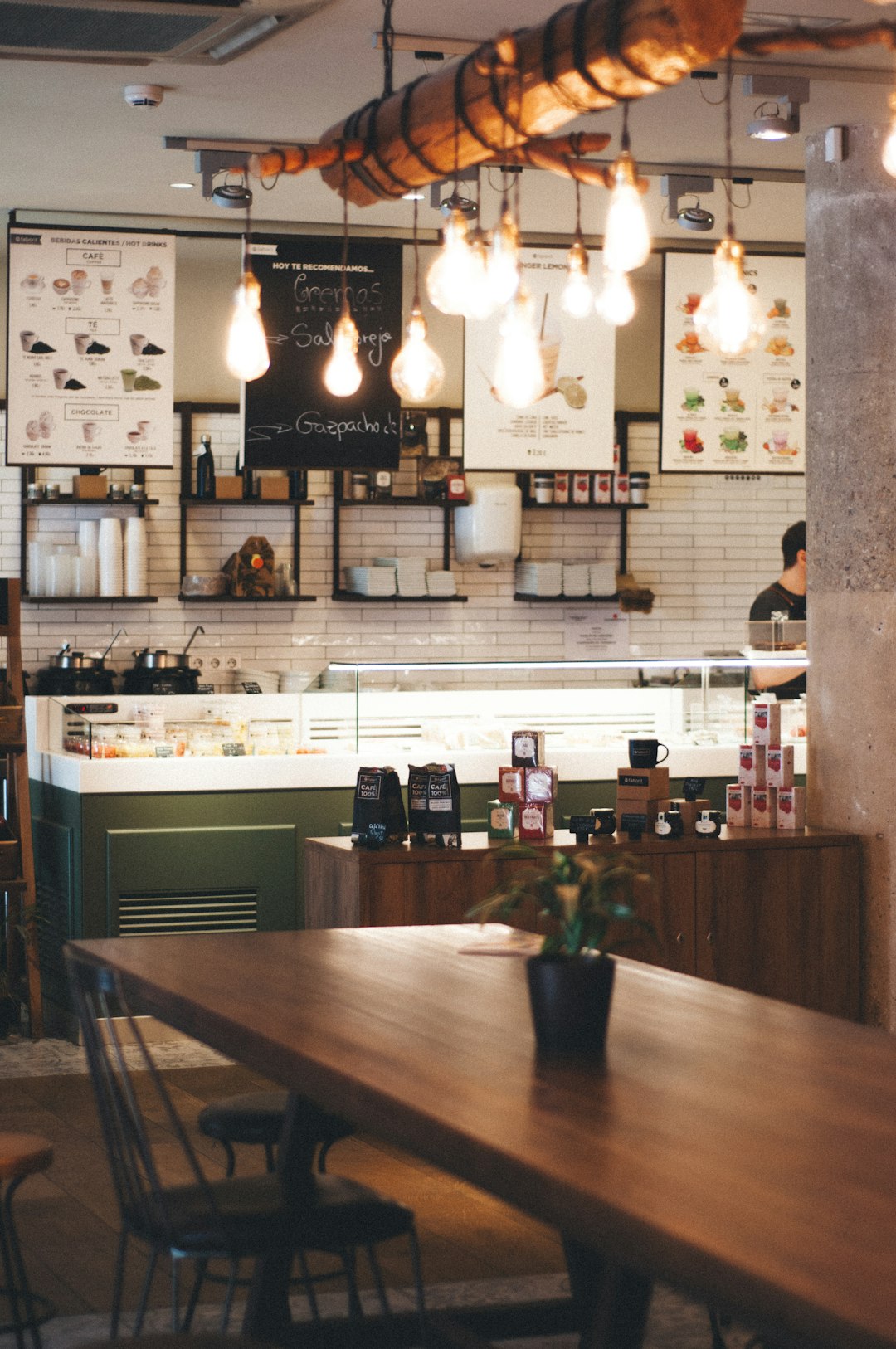
Cafe pricing requires a strategic balance between costs, customer perception, and market demand. Key factors include location, competition, target audience, and unique offerings. Success involves transparent cost communication, enhancing the cafe experience, and benchmarking local competitors for fair, competitive pricing. Flexibility through tailored strategies like tiered menus, combined with market research, ensures profitability while attracting customers in a crowded market, making the cafe naturally appealing.
In the competitive cafe landscape, understanding pricing strategies is paramount for both operators seeking to maximize profit and patrons desiring fair value. Assessing cafe pricing and value goes beyond mere cost per cup; it requires a nuanced consideration of quality, ambiance, service, and community impact. Cafe naturally, this intricate web of factors influences customer satisfaction and loyalty, making it crucial for cafes to strike the right balance. In this authoritative piece, we delve into the art of cafe pricing, offering insights that empower both business owners to optimize strategies and discerning patrons to recognize genuine value.
- Understanding Cafe Pricing Factors
- Analyzing Cost vs. Customer Perception
- Benchmarking Local Cafe Competitors
- Strategizing for Optimal Pricing & Value
Understanding Cafe Pricing Factors

Pricing strategies in cafes go far beyond simply determining a dollar amount for each beverage or pastry. A cafe’s menu pricing is a complex interplay of various internal and external factors, reflecting not just cost structures but also the establishment’s target market, brand identity, and competitive landscape. Understanding these elements is crucial for assessing value—going beyond what’s listed on the price tag to recognize the holistic experience a cafe offers.
Key factors influencing cafe pricing include location, operating costs, inventory management, labor, and market demand. For instance, a cafe in a high-rent district catering to office workers during peak hours may charge higher prices for its lattes compared to a mom-and-pop joint in a residential area serving mostly locals. Similarly, seasonal fluctuations play a significant role; a cafe might adjust prices for limited-edition drinks or increase costs during holiday seasons due to heightened demand and ingredient availability.
Expert perspectives suggest that successful cafes don’t merely mirror cost increases on their menus. They strategize pricing based on customer expectations and perceived value. For example, a cafe could offer premium options at higher prices while maintaining competitive rates for staples, ensuring customers perceive a range of choices catering to different budgets. Additionally, quality ingredients, ambiance, and exceptional service can justify slightly higher prices, as many patrons are willing to pay a premium for an unforgettable cafe experience—a key differentiator in a crowded market.
Analyzing Cost vs. Customer Perception

In the cafe industry, understanding the delicate balance between cost and customer perception is paramount for success. Pricing strategies are not merely about costs; they shape customer experiences and loyalty. When assessing a cafe’s pricing, a comprehensive analysis of cost structures versus perceived value by patrons is essential. This involves delving into factors like ingredient costs, labor, overhead, and competitive market rates, while also considering customer expectations based on ambiance, service quality, and perceived exclusivity.
Take, for instance, a premium coffee shop in a bustling metropolis. While high-quality beans and specialized brewing equipment significantly contribute to their expenses, customers may be willing to pay a premium due to the cafe’s chic interior design, exceptional barista skills, and unique flavor profiles offered. However, a similar strategy might not translate equally well to a cozy neighborhood cafe focusing on affordability and community engagement. Here, slightly higher prices for specialty drinks could be met with resistance, despite excellent quality.
To ensure pricing aligns with customer perception, cafes should conduct thorough market research and regularly review their cost structures. For example, an increase in rent or labor costs may necessitate a price adjustment, but these changes must be communicated transparently to patrons. Offering value-added services or enhancing the overall cafe experience can also mitigate the impact of price increases. For instance, introducing loyalty programs, hosting community events, or providing comfortable seating and free Wi-Fi can elevate the perceived value, ensuring customers continue to view the cafe as a desirable destination despite competitive pricing.
Benchmarking Local Cafe Competitors
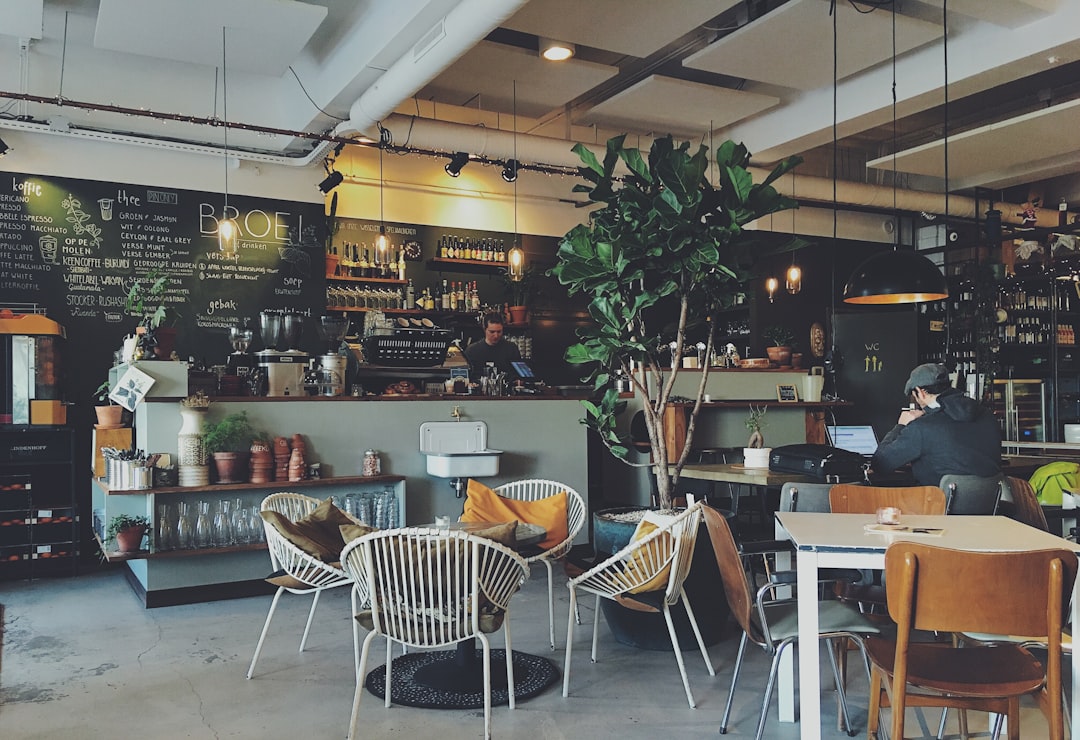
Pricing a cafe is an art that involves careful consideration of various factors unique to each establishment. To set fair and competitive prices for your cafe, benchmarking local competitors is a strategic move. By analyzing their pricing strategies, you gain insights into market rates and customer expectations in your area. This process ensures your menu prices reflect the current dynamics of the local cafe scene.
For instance, let’s consider a bustling city where multiple cafes line the streets. Cafe A, known for its artisanal coffee, might price its specialty drinks at $4-5, while Cafe B, catering to a quick bite, offers sandwiches at $7-8. Benchmarking these rivals reveals a range of prices for similar items, helping you position your cafe accordingly. You may find that your competitor’s pricing is higher, justifying your decision to keep costs competitive or vice versa.
During this process, collect data on not just menu prices but also the overall value patrons receive. Consider factors like ambiance, customer service quality, and unique selling points. For example, a cafe with an enchanting garden setting may command slightly higher prices due to its charm. By comparing these elements, you can adjust your pricing strategy to highlight your cafe’s natural advantages in the market. This benchmarking step is crucial for ensuring your pricing doesn’t alienate customers but also allows you to stand out among competitors.
Strategizing for Optimal Pricing & Value
Setting optimal prices for cafe offerings is a delicate balance between attracting customers and ensuring profitability. A cafe naturally must consider its unique menu items, target audience, competition, and operational costs to strategize pricing that adds value. Expert advice suggests conducting thorough market research to understand customer expectations and willingness to pay. For instance, a study by the National Coffee Association revealed that nearly 60% of coffee drinkers are willing to pay more for specialty or artisanal brews, highlighting opportunities for premium pricing in the right cafe setting.
Pricing strategies should be flexible, tailored to each menu item’s cost structure. Cost-plus pricing, where the selling price covers ingredient costs plus a markup, is common but requires meticulous tracking of ingredient expenses. Another approach, value-based pricing, considers not just production costs but also perceived customer value, similar to how hotels set rates based on demand and amenities. A cafe could offer tiered menu options, allowing customers to choose between basic, standard, and premium versions of the same drink, thus appealing to a broader spectrum of patrons.
Beyond internal factors, understanding local market dynamics is vital. In high-end districts, prices may be higher due to elevated customer expectations, while areas with lower income may demand more affordable options. For instance, a successful cafe in a bustling urban center might charge $4-5 for a specialty coffee, whereas a quaint neighborhood joint could offer the same drink at $2-3, each priced according to its respective market. Ultimately, effective pricing strategies not only drive sales but also shape the cafe’s brand image and customer loyalty.
By thoroughly understanding the key drivers of cafe pricing—from cost structures to customer expectations—business owners can strategically navigate the delicate balance between profitability and perceived value. Analyzing local competitors through benchmarking provides a clear view of market standards, while factoring in unique cafe offerings allows for differentiation. Ultimately, successful pricing strategies in cafes involve striking a harmonious equilibrium between costs, competition, and customer perception, ensuring long-term viability and customer satisfaction. These insights empower cafe operators to make informed decisions, optimize menu pricing, and enhance the overall value proposition, naturally fostering a thriving and profitable business environment.