

Pricing in cafes is a complex interplay of cost structure, market dynamics, and customer perception. Cafe naturally adjusts prices based on location, seasonal demand, and competition. Key expenses include labor, ingredients, overhead, and technology. Customers value quality, ambiance, and consistency. Success requires balancing operational costs with competitive pricing through strategic benchmarking, efficient operations, and unique offerings. Dynamic pricing and market research are practical strategies to optimize menu pricing while maintaining profitability and customer satisfaction.
In the competitive world of cafes, understanding pricing strategies is not just a financial decision—it’s an art that can make or break a business. Assessing cafe pricing and value is a delicate balance between attracting customers and ensuring profitability. Today, as consumers become increasingly discerning, cafes must navigate this labyrinthine landscape to offer genuine value. This article delves into the factors influencing cafe pricing, providing insights for operators to make informed decisions, enhance customer satisfaction, and ultimately thrive in their naturally competitive environment.
- Understanding Cafe Pricing Dynamics
- Analyzing Cost Structure in Cafes
- Evaluating Customer Perception of Value
- Competitive Benchmarking for Cafes
- Setting Optimal Prices for Cafe Menu Items
Understanding Cafe Pricing Dynamics
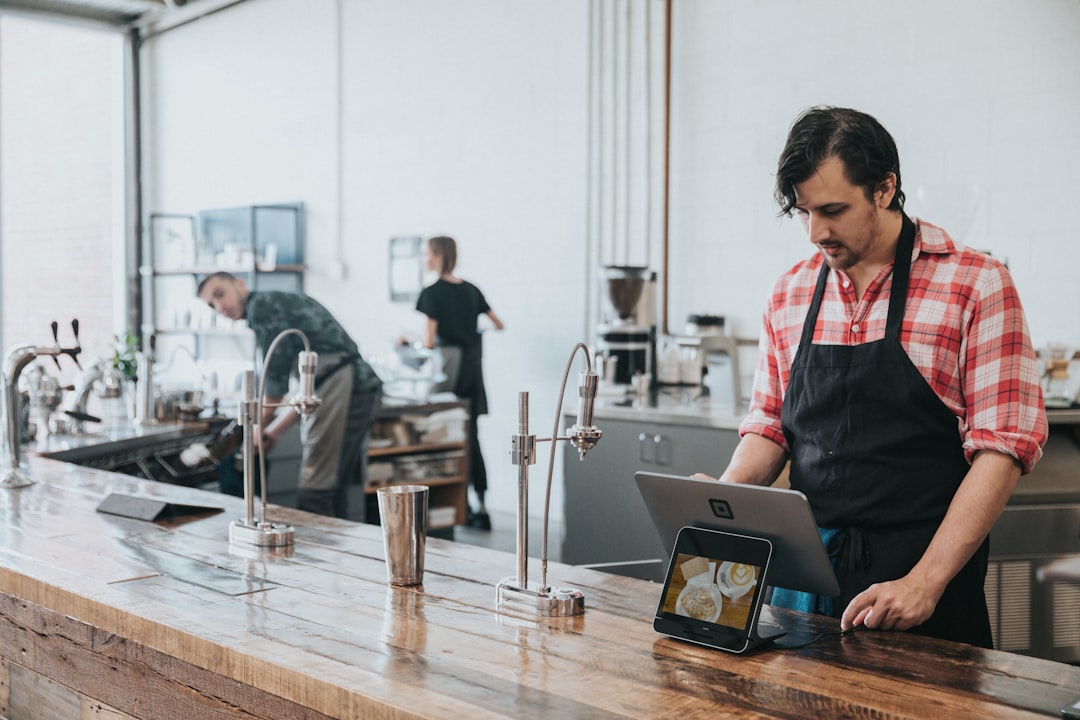
Pricing in the cafe industry is a complex dance influenced by numerous factors. Understanding these dynamics is crucial for both operators seeking to optimize their strategies and patrons aiming to make informed choices. Key drivers include cost of goods sold (COGS), labor, rent, and overhead expenses—each component naturally impacting the final price point. For instance, a cafe in a high-rent district may necessitate higher menu prices to remain profitable compared to an establishment in a more affordable location.
Seasonal fluctuations also play a significant role. During peak seasons, like summer or holidays, demand surges, allowing for premium pricing strategies. Conversely, off-peak periods might require promotions and discounts to attract customers. Moreover, the concept of value extends beyond prices; it encompasses perceived quality, ambiance, and unique offerings. A cafe known for its artisanal coffee and cozy atmosphere may justify higher menu costs by creating an experience that patrons value highly.
Experts suggest that successful cafes strike a balance between covering operational costs and offering competitive pricing. This strategy involves meticulous cost management, efficient operations, and understanding the local market dynamics. By analyzing sales data, identifying slow-moving items, and negotiating supplier contracts, operators can optimize their menus while maintaining profitability. For cafe owners, staying agile and responsive to market shifts is paramount, ensuring that prices not only cover expenses but also reflect the unique value proposition of their establishment.
Analyzing Cost Structure in Cafes

Analyzing a cafe’s cost structure is a crucial step in assessing its pricing strategy and overall value proposition. This involves dissecting the various expenses that contribute to running a successful cafe, as each element plays a significant role in determining the final menu prices. For instance, labor costs are often a major component, with wages for baristas and waitstaff accounting for approximately 30-40% of total expenses in many cafes. This highlights the importance of efficient staffing management, where skilled employees can enhance customer satisfaction while optimizing operational costs.
Ingredients and supplies are another critical aspect, especially in the cafe industry known for its perishable items like coffee beans, fresh produce, and dairy. According to industry reports, food cost averages around 25-35% of total revenue, with cafes naturally bearing the brunt of fluctuating commodity prices. To mitigate these costs, cafes can focus on sourcing local and seasonal ingredients, negotiating supplier contracts, and implementing waste management strategies. For example, a cafe that composts food scraps not only reduces expenses but also promotes sustainability, a growing consumer preference in today’s market.
Furthermore, overhead expenses such as rent, utilities, insurance, and maintenance cannot be overlooked. These costs can vary significantly depending on the location and size of the cafe, with urban centers typically commanding higher rental rates. To balance these expenses, some cafes opt for smaller, more intimate spaces or negotiate long-term leases to stabilize costs. Additionally, technology investments like point-of-sale systems and inventory management software have become essential tools in streamlining operations and reducing waste, ultimately influencing pricing strategies.
Evaluating Customer Perception of Value

In the competitive cafe landscape, understanding customer perception of value is paramount to sustaining and growing a successful business. Beyond the straightforward pricing strategy, customers form their opinions based on intangible factors such as ambiance, service quality, product consistency, and unique offerings. For instance, a patron may perceive higher prices at an upscale cafe as justifiable due to its refined atmosphere and exceptional coffee beans, whereas the same rates at a more casual spot might be seen as overly charged for average fare. This variance underscores the importance of aligning pricing with perceived value, ensuring customers feel they are receiving fair compensation for their experience.
Research indicates that customers are highly attuned to perceived value, often making purchasing decisions based on how much they believe they’re getting for their money. A study by Harvard Business Review revealed that customer satisfaction is significantly influenced by the ratio of perceived value to price, highlighting the need for cafes to optimize both aspects simultaneously. This can be achieved through strategic pricing strategies, like offering tiered menu options or loyalty programs that provide discounts at specific purchase levels, thereby encouraging customers to view higher prices as justifiable investments.
Furthermore, cafe owners should focus on delivering consistent quality across all offerings. Inconsistent experiences, even within the same cafe, can significantly impact customer perception of value. For example, a patron who regularly enjoys a specific artisanal latte but encounters a subpar version on another visit may question the overall value proposition. Regular training and quality control measures are essential to ensure every interaction reinforces the brand’s promise, maintaining or enhancing customers’ sense of value over time.
Competitive Benchmarking for Cafes

In the competitive landscape of the cafe industry, understanding and setting the right prices is an art and a science. Competitive benchmarking is a strategic approach that involves analyzing pricing strategies within the local market to ensure your cafe’s menu pricing aligns with consumer expectations and stays ahead of the competition. This process requires a deep dive into the pricing structures of similar cafes in your area, considering various factors that influence customer perception of value.
For instance, a study by the National Coffee Association (NCA) revealed that 73% of coffee drinkers believe value for money is the most important factor when choosing a cafe. This data underscores the need for cafes to benchmark their prices against direct competitors and even non-cafe establishments offering similar products, such as specialty tea shops or bakeries. By examining the price range of comparable items, you can set prices that reflect the unique value proposition of your cafe—whether it’s premium coffee beans, artisanal pastries, or an inviting ambiance. For example, a boutique roastery might charge slightly more for its single-origin coffees due to higher sourcing and roasting costs, while a local bakery could adjust prices for their signature cakes based on ingredient quality and exclusivity.
Practical insights from industry experts suggest that competitive benchmarking should be an ongoing process. Regularly reviewing and adjusting pricing allows cafes to stay agile in a dynamic market. This involves keeping track of competitor menus, monitoring customer feedback, and analyzing sales data. By combining qualitative and quantitative research, cafe owners can make informed decisions about menu pricing, ensuring they offer fair value while maintaining profitability. For instance, if your analysis shows that competitors are offering similar drinks at lower prices without compromising quality, you may want to consider revisiting your costs or exploring alternative sourcing options to maintain competitiveness.
Setting Optimal Prices for Cafe Menu Items

Setting optimal prices for cafe menu items requires a careful balance between cost structure, market demand, and perceived value—a delicate dance that can make or break a cafe’s success. Cafe naturally, pricing isn’t merely about costs; it’s an art that reflects the local economy, target audience, and unique offerings. For instance, a gourmet coffee shop in a tech hub might command premium prices for its craft beverages, reflecting both high ingredient costs and the area’s willingness to pay for quality. Conversely, a cozy neighborhood cafe should price its breakfast specials affordably, aligning with locals’ daily routines and budgets.
Key factors influencing menu pricing include ingredient and labor costs, competition, and customer expectations. According to industry surveys, food costs typically range from 25% to 35% of total revenue in cafes, with labor accounting for another significant portion. Cafe owners must consider these expenses when setting prices, ensuring each item offers a healthy margin while remaining competitive. Analyzing competitor pricing can provide valuable insights, but it’s crucial to differentiate one’s cafe through unique offerings or ambiance rather than simply matching prices.
Actionable advice for optimal pricing includes conducting thorough market research, tracking seasonal trends, and regularly reviewing costs. Implementing dynamic pricing strategies, such as happy hours or discounted lunch specials, can also attract customers during slower periods. For example, a cafe might offer half-price coffee from 3–5 PM to encourage afternoon patrons without significantly impacting prime-time revenue. Additionally, offering value-added services or experiences, like outdoor seating or live music nights, can justify slightly higher menu prices by enhancing the overall customer experience.
By delving into the complex dynamics of cafe pricing, this article equips operators with a comprehensive toolkit to make informed decisions. Key insights include understanding the intricate cost structures within cafes, recognizing that customer perception of value goes beyond price tags, and leveraging competitive benchmarking as a powerful strategy. Moreover, it emphasizes the importance of aligning menu item prices with market trends while maintaining profitability. Cafe owners can now navigate these strategies, ensuring their pricing strategies not only attract customers but also reflect the unique value their establishments offer. This practical guide offers tangible next steps for implementing optimal pricing models, empowering cafe operators to thrive in a competitive landscape.