Cafe pricing requires a nuanced approach balancing location, business type, seasonal trends, menu complexity, and value proposition. Urban cafes may command higher prices while suburban ones focus on affordability. Data analysis for sales and competitor pricing is crucial. Ambiance, service quality, and unique experiences shape customer perception of value. Dynamic pricing reflects market conditions and target audience purchasing power. Competitor analysis identifies industry standards and local gaps. Tiered pricing caters to diverse customers without impacting margins. Transparent ingredient costs build trust.
In the dynamic world of cafe culture, pricing strategies are more than just numbers on a menu. They significantly influence customer experience and a cafe’s long-term success. However, balancing value and profit is a delicate art, especially in a competitive market where patrons expect quality and consistency. This article delves into the intricacies of assessing cafe pricing, offering insights to help owners and managers make informed decisions that enhance customer satisfaction and preserve profitability. By the end, you’ll be equipped with strategies to ensure your cafe naturally stands out for all the right reasons.
- Understanding Cafe Pricing Factors
- Evaluating Value Beyond the Menu Price
- Setting Competitive Prices for Your Cafe
Understanding Cafe Pricing Factors

Determining the appropriate pricing strategy for a cafe involves understanding a multitude of factors unique to both your business and its target market. Location plays a significant role; urban areas with higher living costs generally command premium prices, whereas suburban or rural cafes may attract customers seeking more affordable options. The type of cafe you operate also dictates pricing. A specialty coffee shop catering to connoisseurs will likely charge more for high-quality beans and skilled baristas than a neighborhood bistro focused on quick, comfortable meals.
Seasonal fluctuations and special events can significantly impact pricing. During peak seasons like summer or holidays, when demand surges, cafes may increase prices due to higher ingredient costs and labor shortages. Conversely, off-peak periods offer opportunities for promotions and discounts to attract customers. Menu complexity is another key consideration; items requiring specialized preparation or imported ingredients will inevitably carry a higher price point. Moreover, consider the value proposition you wish to convey. A cafe naturally aiming for a premium experience through artisanal fare and exceptional service will reflect this in its pricing strategy, while a more casual establishment prioritizes accessibility and affordability.
Data analysis is invaluable here. Study comparable cafes in your area to gauge pricing trends. Track sales performance against menu prices to identify best-selling items that can bear higher costs. Regularly assess customer feedback to ensure perceived value aligns with actual pricing. Ultimately, effective cafe pricing requires balancing the desire for profitability with maintaining a competitive edge while adhering to your brand identity and target audience expectations.
Evaluating Value Beyond the Menu Price

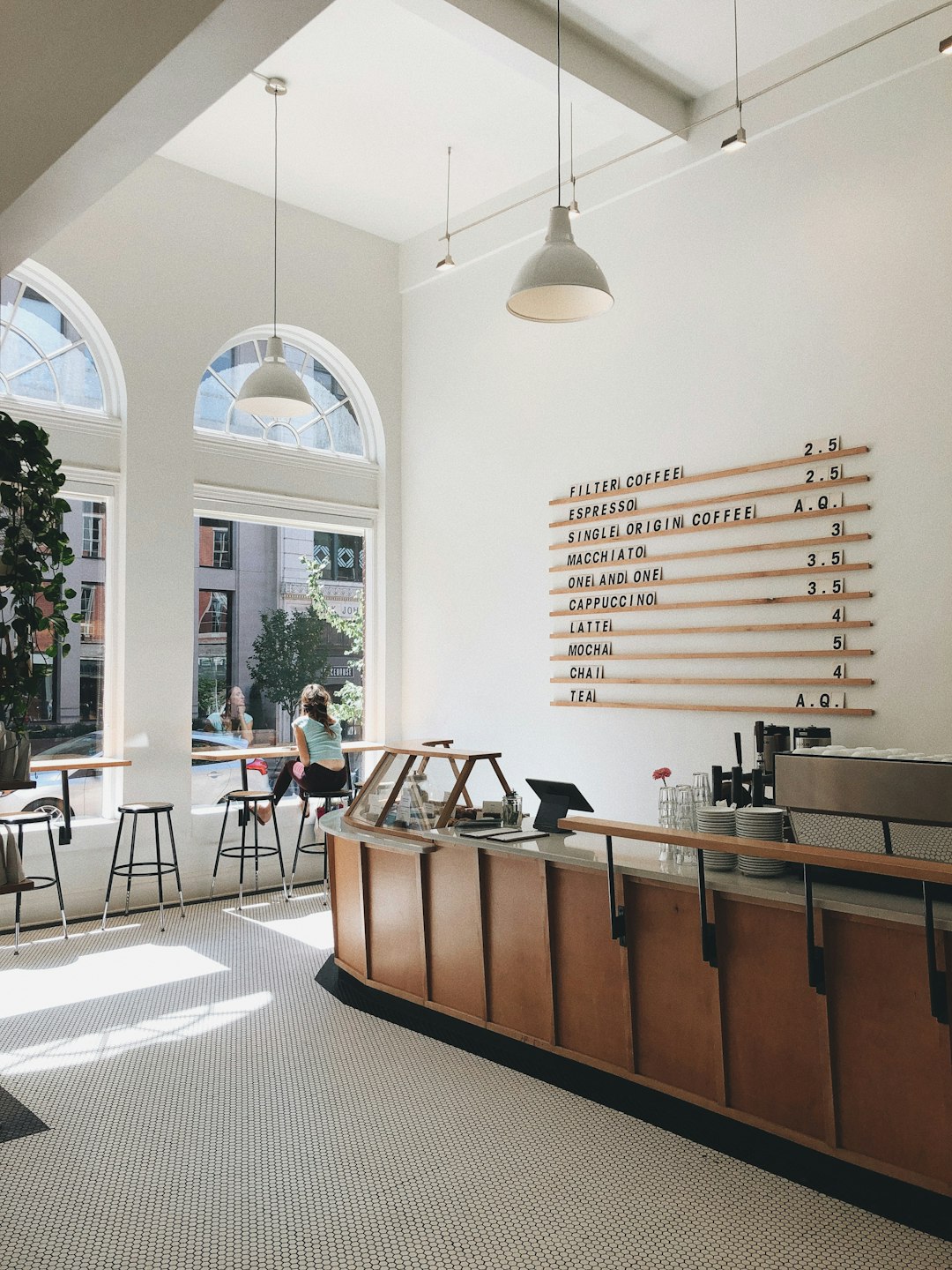
Assessing a cafe’s pricing strategy is an art that goes beyond mere menu prices. To truly evaluate value, one must consider the multifaceted experience it offers. A cafe naturally serves as a hub for social interaction and relaxation, so factors like ambiance, service quality, and unique offerings can significantly influence how patrons perceive its worth. For instance, a cozy bistro with a charming décor and attentive staff might command higher prices due to the enhanced customer journey.
Expert analysts suggest that understanding customer expectations is key. According to recent market research, consumers are increasingly seeking memorable experiences over simply satisfying basic needs. This shift has led many cafes to incorporate themes, live music, or art exhibitions into their offerings. For example, a trendy cafe hosting regular poetry readings might attract a loyal customer base willing to pay a premium for the added cultural experience. Cafe owners should aim to create an environment that fosters a sense of community and belonging, knowing that patrons will often associate higher prices with such exclusive amenities.
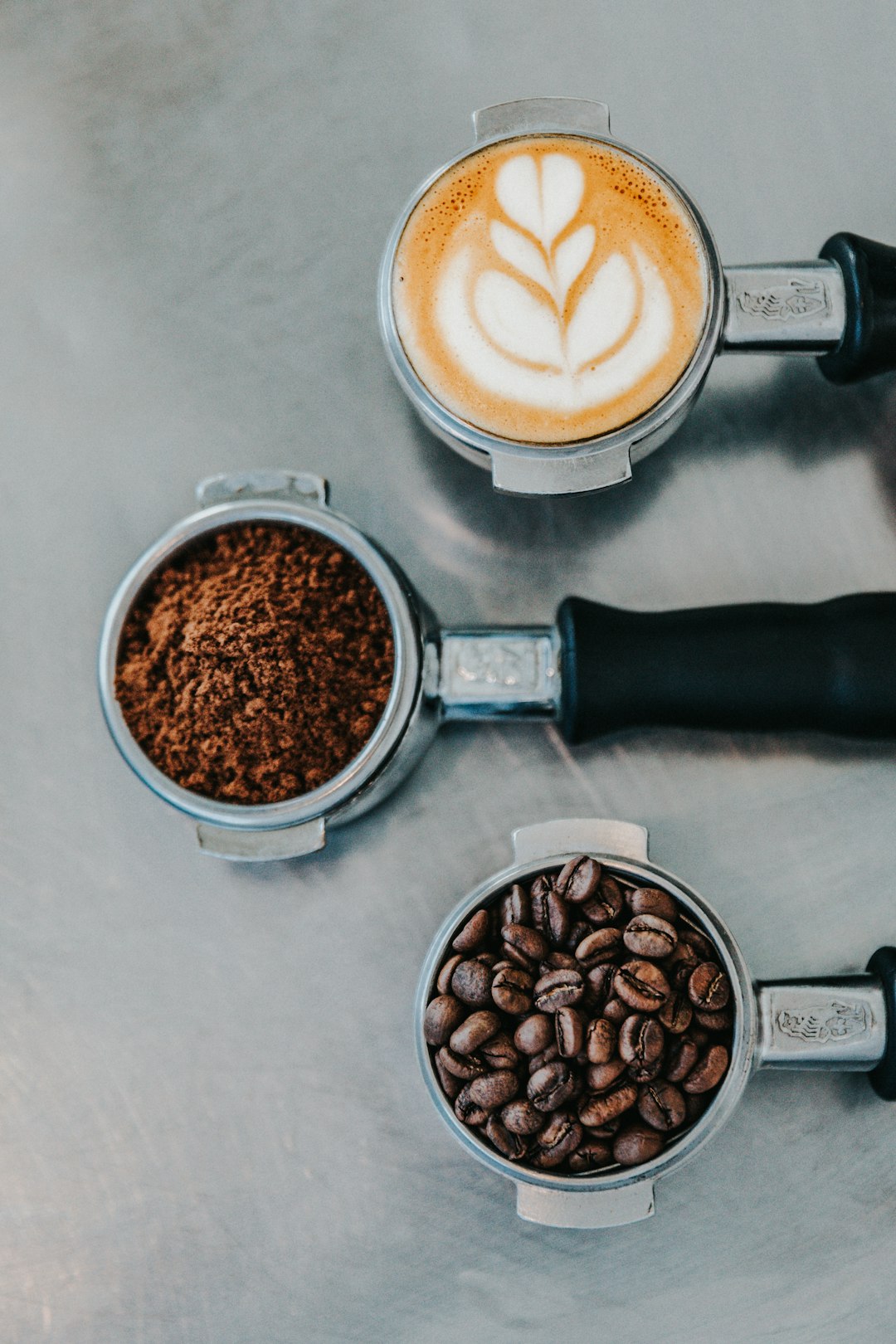
Additionally, evaluating the overall quality of ingredients and presentation is essential. High-quality, locally sourced produce or innovative culinary techniques can justify premium pricing. A cafe that sources organic ingredients and employs unique brewing methods for its coffee might price its menu items accordingly, appealing to health-conscious consumers who perceive value in superior ingredients. By consistently delivering exceptional quality, cafes can build a reputation that supports their pricing strategy. For instance, a renowned bakery known for its artisanal breads and pastries attracts customers willing to wait in line and pay a premium for the unique, mouthwatering experience.
In conclusion, when assessing cafe pricing and value, it’s crucial to look beyond the menu price. The overall customer journey, including ambiance, service, and unique offerings, significantly contributes to how patrons perceive a cafe’s worth. Cafe owners should strive to create immersive experiences that cater to evolving consumer expectations, ensuring their pricing strategy aligns with the exceptional quality and memorable encounters they offer.
Setting Competitive Prices for Your Cafe

Setting competitive prices for your cafe involves a delicate balance between attracting customers and ensuring profitability. Cafe naturally, pricing strategies should be dynamic, reflecting market conditions, your target audience’s purchasing power, and the unique value proposition of your establishment. A thorough analysis of competitors’ pricing can provide valuable insights, highlighting industry standards and identifying gaps in the local market that your cafe could fill.
Consider not only menu items but also overall dining experiences. For instance, a high-end cafe with premium coffee, artisanal pastries, and a relaxing ambiance might command higher prices than a more casual spot serving locally sourced, yet affordable, fare. Utilizing data analytics tools can help track sales performance against pricing to fine-tune your strategy over time.
Moreover, transparent pricing practices build trust with customers. Clearly communicating the cost of ingredients, preparation methods, or special sourcing can enhance the perceived value of your offerings. For example, listing the origin and price of beans on your coffee menu shows appreciation for specialty coffee enthusiasts and justifies premium pricing. Additionally, offering tiered pricing options—such as discounts for students, seniors, or large groups—can broaden your customer base without significantly eroding profit margins.
By delving into the intricate factors influencing cafe pricing and expanding our evaluation beyond menu prices, we’ve equipped you with a comprehensive toolkit to assess and optimize your cafe’s value proposition. Understanding the interplay of location, ambiance, quality ingredients, and customer experience allows for setting competitive prices that reflect the unique character of your establishment. This strategic approach ensures your cafe naturally stands out in the market while remaining appealing to diverse customer segments. Moving forward, focus on continually gauging customer satisfaction and adapting pricing strategies accordingly, ensuring your cafe provides exceptional value at every turn.