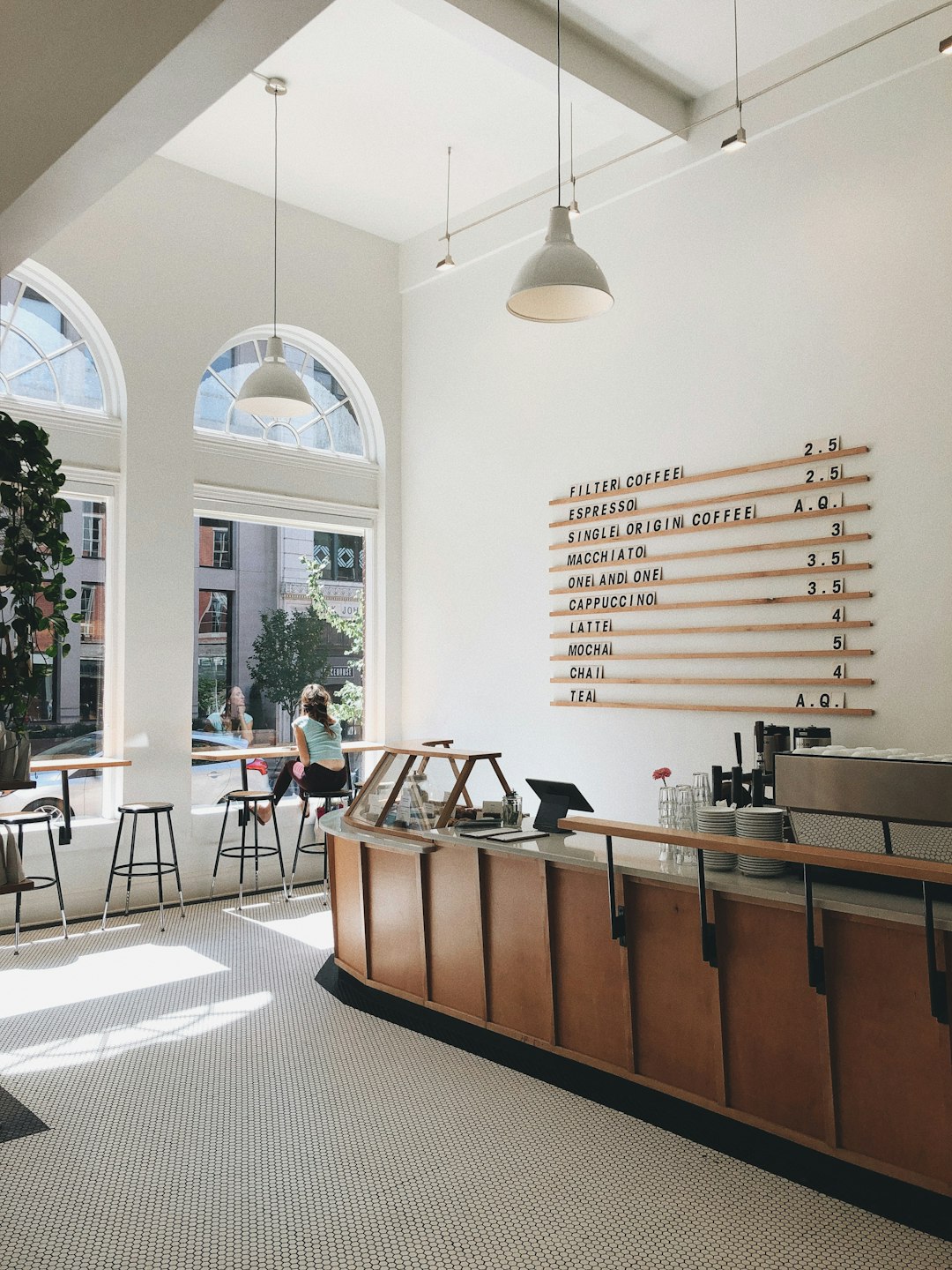
Cafe naturally thrives on prioritizing hygiene standards, ambiance, and customer experience. Key takeaways include:
1. Hygiene: Regular cleaning, waste management, and staff hygiene are non-negotiable. Handwashing, surface cleanliness, and equipment sanitization are critical indicators.
2. Ambiance: Well-designed interiors, lighting, decor, and seating create an inviting atmosphere. Soft lighting, plants, music, and comfortable spaces enhance the dining experience.
3. Cleanliness Standards: Adhering to local health department regulations ensures food safety and customer satisfaction by fostering confidence and minimizing health risks.
4. Welcome Environment: Combine clean spaces, good staff hygiene practices, and a well-designed ambiance that encourages relaxation and focus for positive customer experiences. Safety measures like clear exit signage and regular security checks are essential.
In the highly competitive cafe industry, maintaining cleanliness and fostering an inviting ambiance are non-negotiable for attracting and retaining patrons. A cafe naturally serves as a gathering space, reflecting not just the quality of its beverages and food but also the hygiene and aesthetics of its environment. However, ensuring these standards can be challenging, given the dynamic nature of operations and the constant footfall. This article delves into the critical aspects of checking cafe cleanliness and ambiance, offering insights and strategies to help operators maintain high standards, ultimately enhancing customer satisfaction and loyalty.
- Assessing Hygiene Standards in Cafes
- The Role of Ambiance in Customer Experience
- Understanding Cafe Cleanliness Regulations
- Creating a Welcoming and Safe Cafe Environment
Assessing Hygiene Standards in Cafes

When evaluating a cafe’s overall quality, assessing hygiene standards is a cornerstone of a thorough inspection. This involves scrutinizing practices that directly impact food safety, customer well-being, and the cafe’s adherence to health regulations. In any cafe, from quaint bistros to bustling coffee shops, sanitation is a top priority. Regular cleaning protocols, proper waste management, and employee hygiene practices are non-negotiable for maintaining a healthy environment. For instance, a study by the National Academy of Sciences found that strict food safety measures, including thorough cleaning routines, significantly reduced foodborne illness outbreaks in restaurants.
Inspecting hygiene standards requires a keen eye for detail. Customers should observe whether staff members wash their hands frequently, especially before handling food and after using the restroom. Cleanliness extends to surfaces, equipment, and utensils—all of which should be spotless and free from cross-contamination. Many health departments now mandate regular sanitization schedules, particularly in high-risk areas like kitchen prep stations and dining areas. For example, cafes that prioritize cleanliness often employ automatic hand sanitizers at various points throughout the cafe, encouraging both staff and patrons to maintain a sterile environment.
Moreover, visual cues can indicate a cafe’s commitment to hygiene. Fresh, vibrant ingredients displayed openly suggest food is prepared on-site and handled properly. A well-organized kitchen, with designated areas for preparation, cooking, and storage, is another sign of professionalism. Regular deep cleaning sessions, visible to customers if appropriately integrated into the cafe design, demonstrate a proactive approach to hygiene. Cafe owners should also ensure staff receive adequate training in food safety practices, empowering them to make quick decisions to maintain or enhance cleanliness during peak hours.
The Role of Ambiance in Customer Experience

The ambiance of a cafe plays a pivotal role in shaping customer experience, often working hand-in-hand with cleanliness to create an environment where patrons feel welcomed, comfortable, and ultimately satisfied. A cafe naturally should evoke a sense of warmth, invitingness, and aesthetics that cater to the senses, mirroring the quality of its offerings. Well-designed interiors, thoughtful decor, and adequate lighting can significantly enhance the overall dining experience, encouraging customers to linger longer and return again.
Consider the impact of soft, warm lighting versus harsh fluorescent lights; the former can create a cozy atmosphere, while the latter may feel clinical and uninviting. Similarly, strategically placed plants, subtle background music, and comfortable seating arrangements contribute to a pleasant ambiance. According to a recent study by Nielsen, 74% of consumers are more likely to return to a cafe or restaurant with an attractive interior design. This underscores the business value of creating an engaging environment that extends far beyond the taste of the food and beverage served.
Moreover, ambiance should be tailored to align with the cafe’s concept and target audience. A cafe marketed as a cozy retreat might prioritize soft textures, earthy tones, and quiet nooks for solitude, while a lively spot catering to students or young professionals may opt for vibrant colors, minimalist decor, and communal seating to foster interaction. By understanding these nuances, cafe owners can craft an ambiance that resonates with their customers, elevating the overall experience and fostering loyalty.
Understanding Cafe Cleanliness Regulations
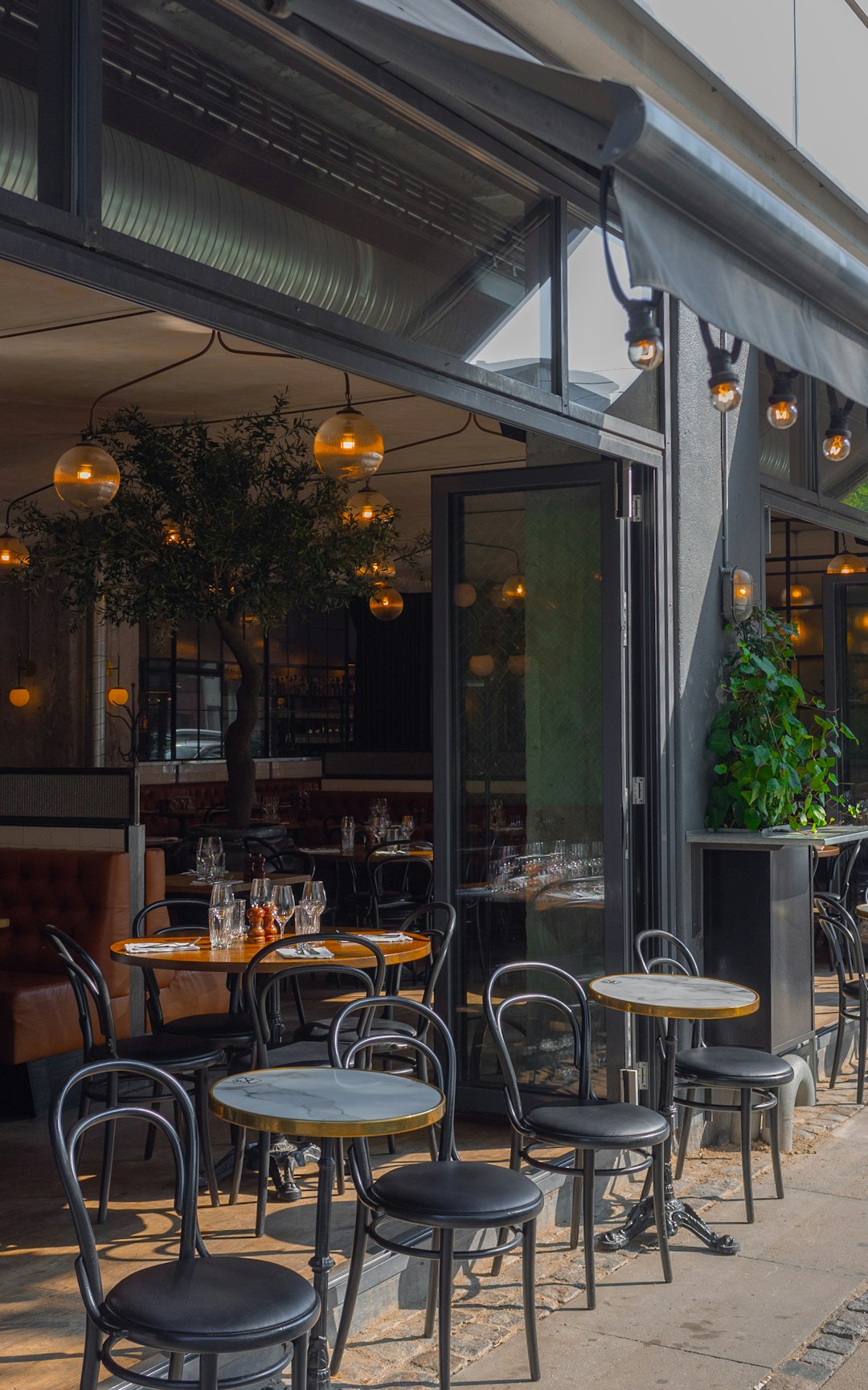
Maintaining high standards of cleanliness is a cornerstone for any successful cafe. Understanding and adhering to relevant regulations forms the bedrock of this commitment. Local health departments play a vital role in setting guidelines aimed at ensuring food safety and public health, especially within close-knit spaces like cafes. These regulations cover various aspects, from proper food handling practices to regular sanitization routines and pest control measures. For instance, many jurisdictions mandate specific cleaning frequencies for surfaces, equipment, and floor areas, emphasizing the need for consistent maintenance throughout the cafe naturally.
Compliance with these regulations not only meets legal obligations but also demonstrates a cafe’s commitment to quality and customer well-being. Regular inspections by health authorities serve as a stark reminder of these standards, highlighting potential areas for improvement. Data suggests that adherence to cleanliness regulations can significantly impact customer satisfaction and retention. A clean and sanitized environment instills confidence in patrons, fostering a positive perception of the cafe naturally. Moreover, it minimizes health risks, preventing outbreaks and ensuring a safe space for all visitors.
To stay ahead, cafe owners and managers should familiarize themselves with local health department requirements, invest in appropriate cleaning supplies, and implement staff training programs focused on hygiene practices. Regular audits and self-assessments can identify areas needing improvement while reinforcing the cafe’s reputation as a safe and enjoyable destination. By embracing these regulations as integral to their operations, cafes can create an inviting atmosphere that attracts and retains a loyal customer base.
Creating a Welcoming and Safe Cafe Environment

Creating a welcoming and safe cafe environment is paramount to fostering a positive experience for patrons. A clean, inviting space encourages customers to stay longer, spend more, and return again. When evaluating a cafe’s cleanliness, start with the basics: table tops should be spotless, floors free of debris, and surfaces sanitised regularly. Consider the overall hygiene practices; do staff wear gloves when handling food? Are cleaning solutions easily accessible? These foundational elements not only affect health and safety but also set the tone for the entire cafe experience.
The ambiance within a cafe naturally influences customer perception and behaviour. Soft lighting, comfortable seating, and pleasant decorations can transform a mundane space into a relaxing haven. Ensure the area is well-ventilated and noise levels are manageable—a quiet cafe allows patrons to engage in conversation or focus on their work without distraction. Incorporating natural elements like plants or fresh floral arrangements adds a touch of warmth and sophistication. For instance, according to a 2021 survey by Cafe Management Magazine, over 75% of frequent cafe-goers cited ambiance as a key factor in choosing where to spend their time.
Safety should never be overlooked. A well-lit cafe with clear exit signage and emergency equipment instills confidence in patrons. Implement accessible design principles, such as ensuring wheelchair passageways and visually appealing menus for customers with low vision. Regular security checks and surveillance can deter potential hazards and provide peace of mind. For example, a study by the National Restaurant Association revealed that 62% of restaurant and cafe owners reported increased security measures after the pandemic, highlighting the growing emphasis on safety in these spaces.
Regular inspections are crucial to maintaining a consistent level of cleanliness and ambiance. Establish clear protocols for daily, weekly, and monthly cleaning routines. Train staff to recognise areas requiring attention and empower them to take immediate action. Consistent evaluation ensures that any issues are addressed promptly, fostering an environment where customers feel valued and respected.
In assessing cafe cleanliness and ambiance, it’s clear that maintaining high hygiene standards is paramount to fostering a positive customer experience. This article has highlighted the crucial role of regular inspections, proper training, and adherence to regulations in ensuring food safety and preventing health hazards in cafes. The impact of a clean, welcoming environment on customer satisfaction cannot be overstated, as it naturally enhances the overall cafe experience. By creating a safe space that encourages relaxation and social interaction, cafes can build a loyal customer base. Moving forward, cafe owners and managers should prioritize regular cleaning routines, invest in staff training, and stay informed about local cleanliness regulations to maintain their establishment’s reputation and provide a superior cafe experience.