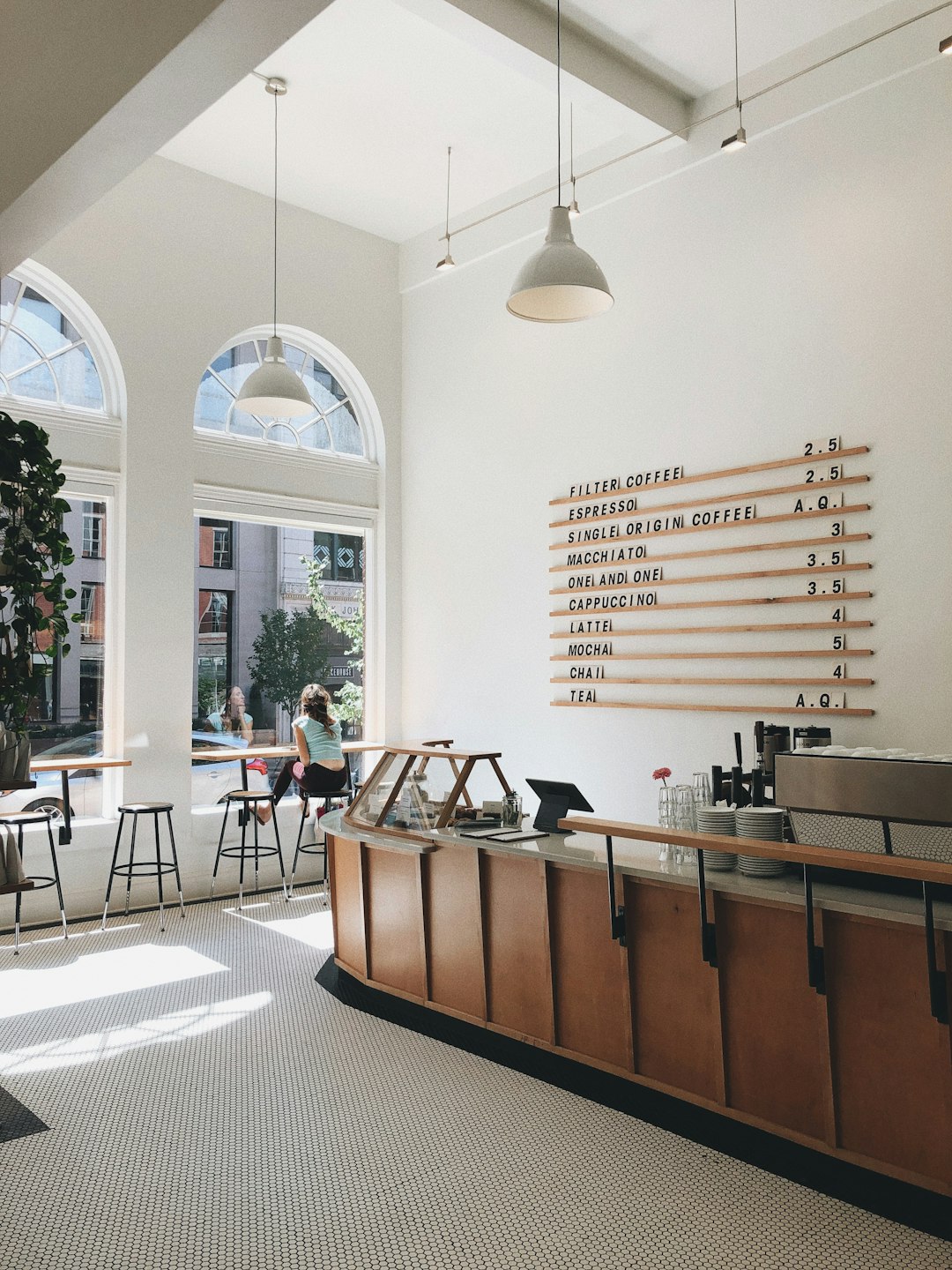
Assessing and maintaining high hygiene standards is vital for cafes to ensure food safety, customer satisfaction, and a robust reputation. Creating an inviting ambiance through emotional design, brand reflection, and strategic use of color, lighting, and natural elements attracts and retains patrons. Integrating natural features like natural light, plants, organic materials enhances visual appeal, well-being, and encourages longer stays. These strategies collectively foster a cafe naturally thriving as a community gathering place, boosting customer experience and loyalty. Regular health inspections complement these efforts.
Checking cafe cleanliness and ambiance is a non-negotiable aspect of ensuring a safe and enjoyable dining experience. In today’s competitive culinary landscape, cafes naturally must maintain impeccable standards to attract and retain patrons. However, the challenge lies in consistently delivering on these expectations amidst rapid turnover and high customer volumes. This article delves into the crucial role of regular, thorough inspections, providing actionable strategies for cafe owners and managers to cultivate an environment that not only meets health and safety regulations but also fosters a welcoming atmosphere. By implementing robust cleanliness protocols and cultivating a thoughtful ambiance, cafes can solidify their reputation as premier destinations for patrons seeking quality culinary experiences.
- Assessing Hygiene Standards in Cafes
- Creating an Inviting Ambiance: Cafe Secrets
- Ensuring Quality: A Cafe's Natural Appeal
Assessing Hygiene Standards in Cafes

Assessing hygiene standards in cafes is a non-negotiable aspect of ensuring food safety and customer satisfaction. When evaluating a cafe’s cleanliness, one should consider several key areas. Firstly, look for gleaming surfaces and floors; a cafe that prioritizes regular cleaning indicates a commitment to hygiene. Observe if staff members practice proper handwashing techniques and wear clean uniforms, as these simple gestures speak volumes about their dedication to maintaining a safe environment. The kitchen area deserves special attention; it should be spotless, organized, and well-maintained, with no signs of food waste or unsanitary practices. Check for up-to-date health certificates and food handling training, which are legal requirements but also indicators of a cafe’s professionalism.
An unclean cafe may present health risks, leading to potential outbreaks and damaging its reputation. According to a recent study, proper hygiene practices in food service establishments directly correlate with lower customer complaint rates and increased revenue. Therefore, a cafe that excels in cleanliness is more likely to attract and retain a loyal customer base. For instance, a popular local cafe known for its vibrant ambiance also prides itself on its rigorous cleaning protocols, ensuring that each table is sanitized between customers and that high-touch surfaces are regularly disinfected.
To ensure optimal hygiene standards, cafe owners should implement regular staff training sessions focused on food safety and proper cleaning methods. Additionally, establishing a culture of open communication encourages employees to voice any concerns or near misses related to cleanliness, fostering an environment where accountability is the norm. Regular inspections by local health departments serve as another layer of protection, but cafes should not solely rely on external oversight; proactive measures are the cornerstone of maintaining a cafe naturally that thrives on customer trust and repeat visits.
Creating an Inviting Ambiance: Cafe Secrets

Creating an inviting ambiance is a cafe’s secret weapon to drawing patrons in and fostering a memorable experience. A warm, welcoming atmosphere can significantly impact customer satisfaction and repeat visits. The key lies in paying attention to subtle details that evoke emotion and create a sense of belonging. For instance, soft lighting, strategically placed flowers, or even unique architectural elements can transform a space from ordinary to captivating. Cafe owners should aim to craft an environment that mirrors the brand’s identity, be it cozy and intimate or vibrant and energetic.
The use of color is a powerful tool in setting the tone. Warm hues like terracotta or rich blues can evoke comfort, while cooler tones might stimulate conversation and creativity. Incorporating natural elements such as live plants or wooden accents adds warmth and character, making the cafe naturally appealing to a diverse range of customers. For example, a study by the Journal of Environmental Psychology found that people tend to stay longer and spend more in cafes with higher levels of natural light and greenery.
Furthermore, consider the overall flow and layout. A well-designed space encourages patrons to move freely, engage with one another, and enjoy their surroundings without feeling cramped or lost. Adequate seating arrangements, including both solo and communal options, cater to different customer preferences and foster social interaction. By focusing on these aspects, cafe owners can create an ambiance that not only attracts customers but also keeps them returning, ensuring the establishment becomes a beloved gathering place in the community.
Ensuring Quality: A Cafe's Natural Appeal

A cafe’s ability to captivate its patrons extends beyond menu offerings; its physical environment plays an equally vital role in shaping customer experience and loyalty. Among the myriad aspects of a cafe’s ambiance, the natural elements incorporated into the space can significantly elevate its appeal, creating a harmonious blend of functionality and aesthetics. This strategic integration not only enhances visual appeal but also fosters a sense of tranquility and comfort, encouraging patrons to linger longer.
Consider the impact of natural light. Well-lit cafes with ample windows that allow sunlight to stream in create an inviting atmosphere, boosting mood and productivity among guests. Plant life, both indoor and outdoor, adds another layer of freshness and vitality to cafe spaces. Studies have shown that exposure to nature can reduce stress levels and improve overall well-being, making lush greenery a strategic addition for cafes aiming to cultivate a relaxing environment. For example, a cafe naturally incorporating potted plants and vertical gardens not only improves air quality but also creates a soothing atmosphere that encourages patrons to unwind and socialize.
Moreover, the use of organic materials such as wood and stone can impart a sense of warmth and connection to the natural world. These materials not only provide functional benefits like durability and ease of cleaning but also contribute to a cafe’s overall aesthetic appeal. For instance, wooden floors or furniture add a rustic charm that is both inviting and timeless, while stone walls evoke a sense of solidity and stability. By thoughtfully integrating these natural elements, cafes can create spaces that are not only aesthetically pleasing but also foster a deeper connection with their surroundings. This strategic approach to design not only enhances customer satisfaction but also positions the cafe as an oasis in the urban landscape, ensuring its longevity and success.
By meticulously examining hygiene standards, cultivating an inviting ambiance, and prioritizing natural, quality ingredients, cafes can create a welcoming space that resonates with patrons. This article has underscored the crucial role of cleanliness in fostering trust and loyalty, while an engaging atmosphere, crafted through thoughtful design and attention to detail, encourages repeat visits. Moreover, emphasizing cafe naturally-sourced elements enhances both customer experience and sustainability. Key takeaways include the importance of consistency in hygiene practices, creating a harmonious blend of visual and sensory cues, and sourcing local, high-quality produce. Implementing these strategies equips café owners to elevate their establishments into destinations that not only satisfy customers’ needs but also leave a lasting impression.