Global cafe culture undergoes a multifaceted transformation, evolving from traditional coffee houses to multifunctional spaces driven by Instagrammable designs, remote work trends, and health-conscious patrons. Cafe owners leverage these insights to create destinations with memorable atmospheres, embracing sustainability and technology for efficient operations. Specialty coffee growth (10.7% CAGR 2023-2030) demands innovative experiences, from mindfulness-focused aesthetics to local art and music. Key strategies include building exclusive blends, conducting taste tests, educating staff, fostering community through events, partnerships, and authentic experiences, all while cultivating a sense of belonging in diverse, vibrant cafe scenes worldwide.
In today’s dynamic cultural landscape, cafes have evolved from mere spaces for coffee consumption to vibrant hubs of social interaction and creativity. As consumer tastes continue to shift towards unique experiences and artisanal offerings, understanding the pulse of popular and trendy cafes has become essential for both casual patrons and industry professionals. This article delves into the factors driving cafe trends, exploring how established establishments navigate changing expectations while emerging hotspots captivate new audiences. By dissecting these dynamics, we gain invaluable insights into the ever-evolving world of cafes naturally.
- Discovering the Rise of Trendy Cafes
- The Art of Cafe Ambiance Creation
- Exploring Unique Coffee Culture Globally
- Sourcing Specialty Beans: A Cafe's Foundation
- Building a Thriving Community Around Your Cafe
Discovering the Rise of Trendy Cafes
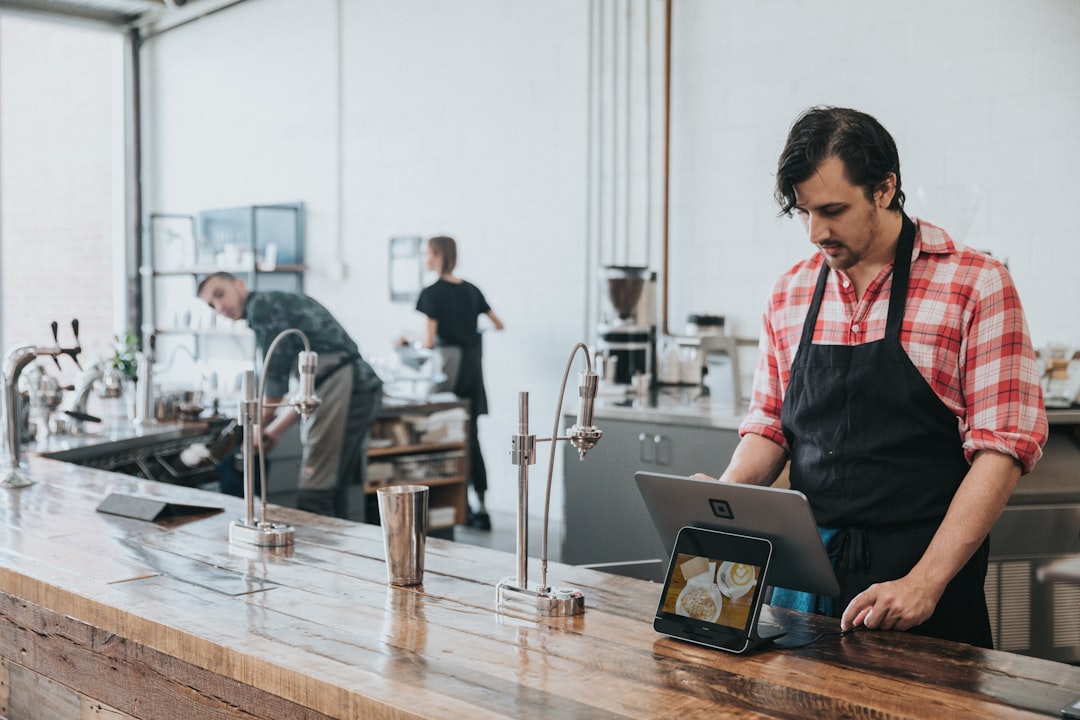
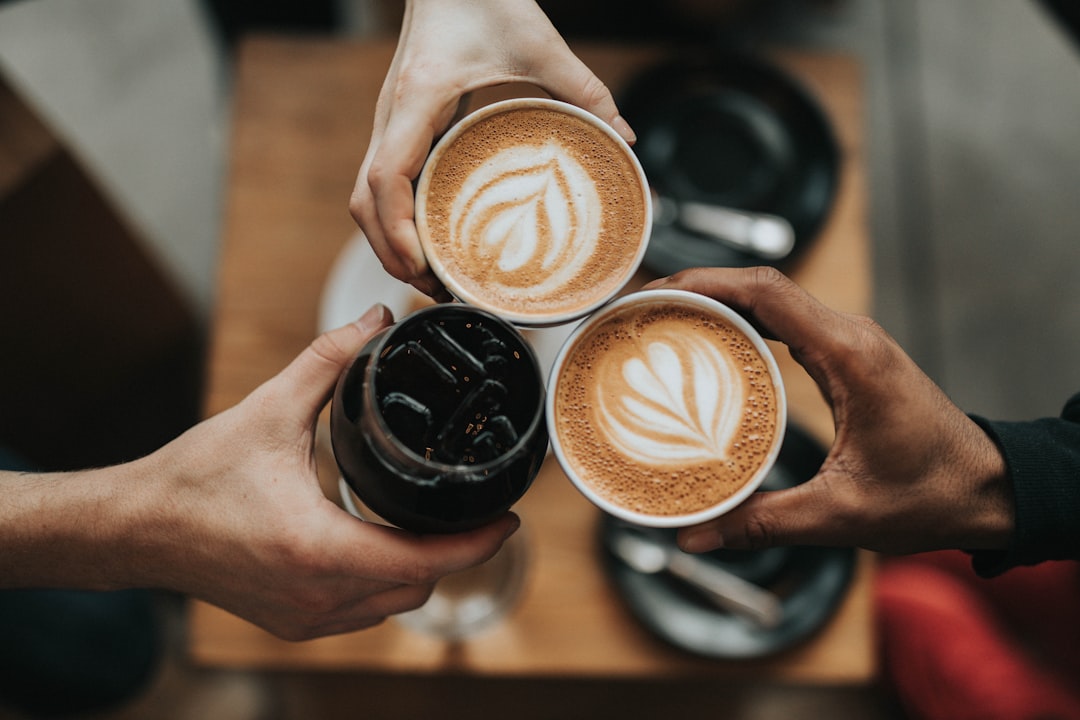
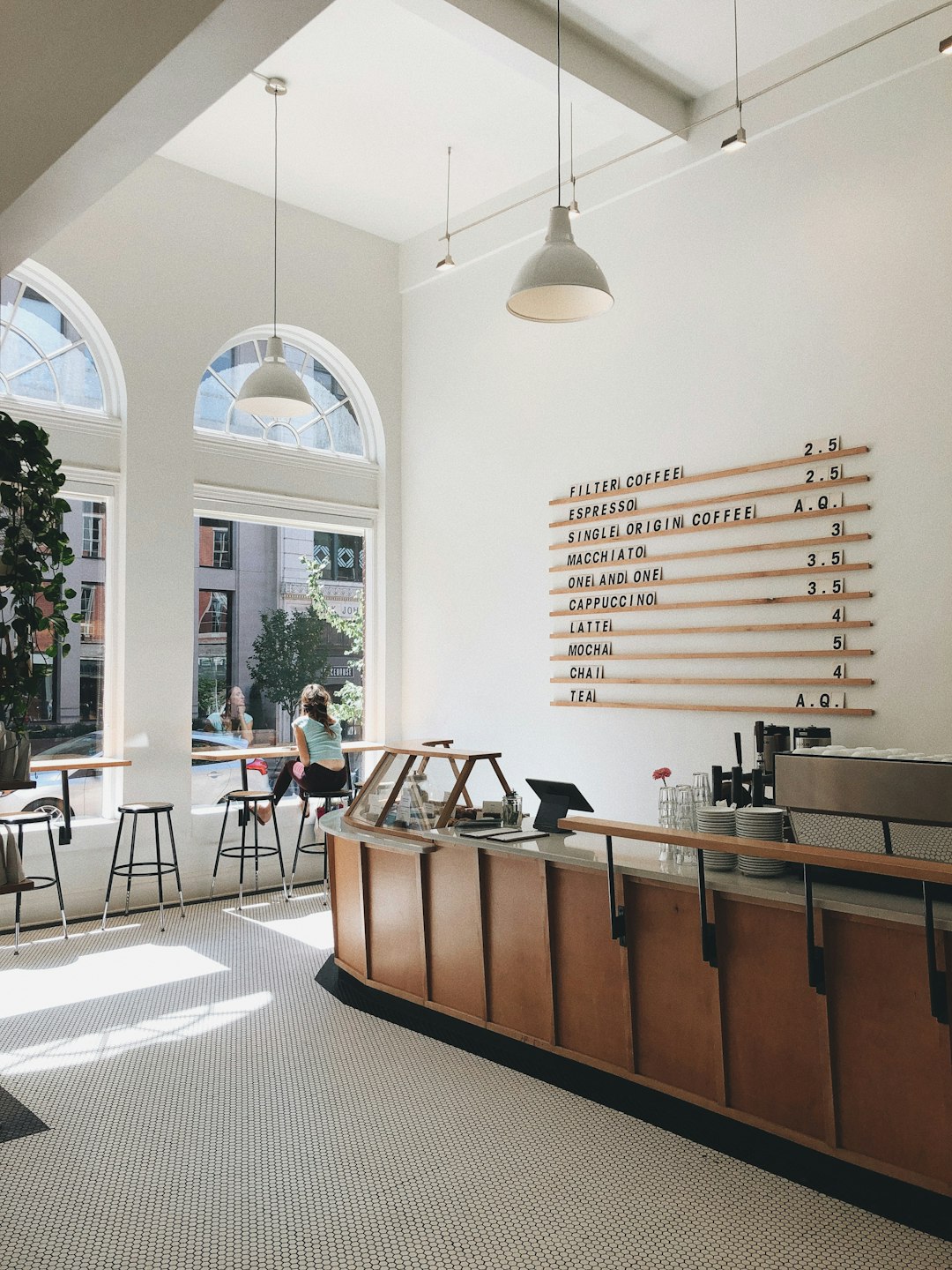
In recent years, the rise of trendy cafes has been a significant shift within the global cafe culture landscape. This phenomenon is not merely a passing trend but a reflective change in consumer preferences, seeking unique experiences that extend beyond traditional coffee offerings. The modern cafe has evolved into a multifunctional space where patrons gather to work, socialize, or simply immerse themselves in a carefully curated environment. This transformation is evident in the surge of Instagrammable cafes designed with aesthetically pleasing interiors, boasting vibrant colors, industrial chic, or minimalist themes. Such cafes often double as social media marketing hubs, leveraging their visually captivating spaces to attract and engage digital audiences.
The success of trendy cafes can be attributed to several key factors. Firstly, the rise of remote work has led many to seek inspiring locations outside the confines of home offices. Secondly, there’s a growing appetite for immersive experiences that stimulate the senses—from aromatic coffee blends to artisanal pastries and ambient music. Cafe owners have swiftly recognized this shift, incorporating design elements, ambiance, and product offerings to create destinations that cater to modern lifestyle desires. For instance, plant-forward cafes featuring house-blended teas and organic fare have gained traction, appealing to health-conscious patrons who view the cafe as an extension of their wellness routines.
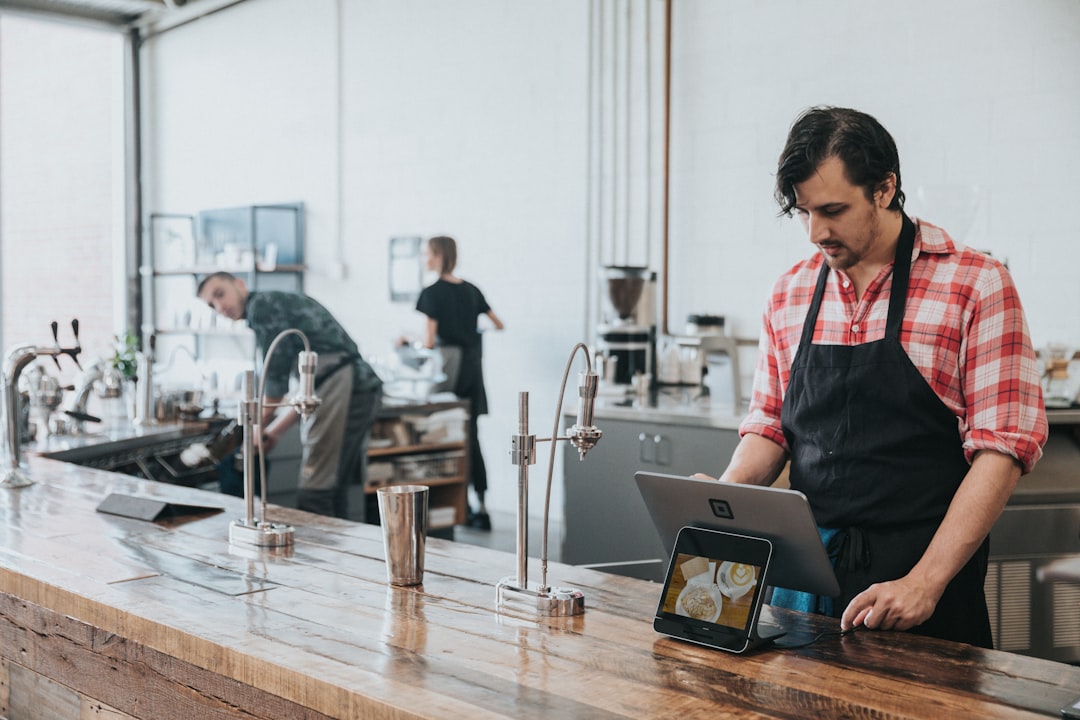
Data from industry reports indicate a significant uptick in the number of specialty coffee shops and concept-driven cafes worldwide. According to a 2022 global coffee market report, the specialty coffee segment is projected to grow at a CAGR of 10.7% from 2023 to 2030. This growth mirrors the rising demand for premium experiences within the cafe sector. To stay ahead in this competitive landscape, cafe owners must continually innovate, offering not just high-quality beverages but also memorable atmospheres and unique services. Engaging with local communities, embracing sustainability, and leveraging technology for efficient operations are strategic moves that can set trendy cafes apart in today’s crowded market.
The Art of Cafe Ambiance Creation
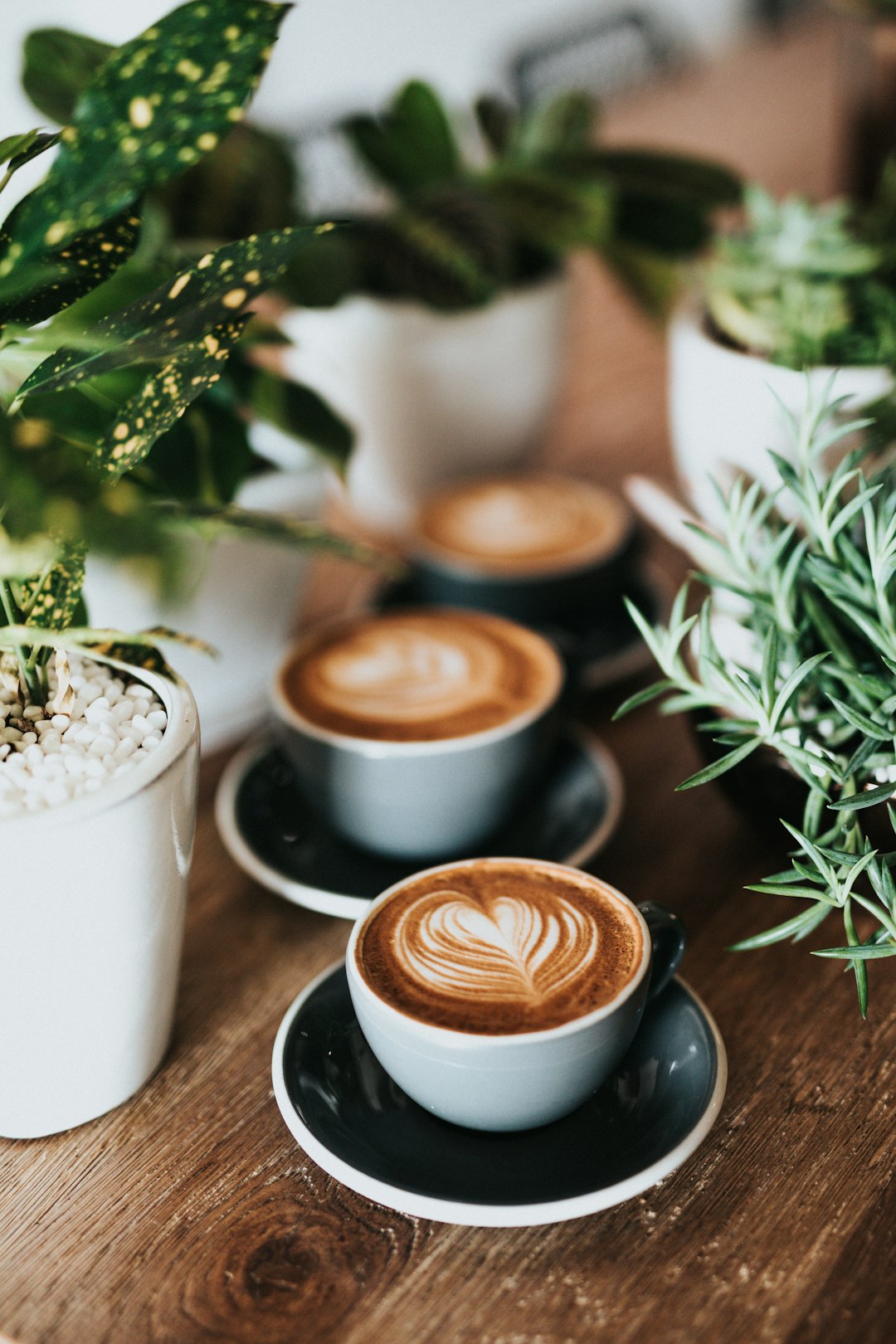
Creating a captivating cafe ambiance is an art that transforms a simple gathering space into an unforgettable experience. It’s not just about the coffee; it’s about crafting an environment that evokes emotion and encourages patrons to linger. Cafe naturally, the heart of many communities, has evolved into a cultural hub where people connect, collaborate, and unwind. To truly stand out, cafe owners must go beyond the menu and cultivate an atmosphere that resonates with their target audience.
Consider the ambiance as the third key element in the cafe experience trifecta, following quality coffee and exquisite food. A well-designed space can enhance the overall customer journey, fostering a sense of community and belonging. For instance, cozy nooks with soft lighting and comfortable seating encourage intimate conversations, while open, vibrant spaces with high ceilings and shared tables promote a more social atmosphere. Incorporating elements like live music, local art displays, or seasonal themes can further enrich the cafe ambiance, making it a dynamic and engaging environment.
Expert advice suggests leveraging the power of sensory details. Aroma, texture, and sound play a significant role in shaping a patron’s perception. Scented candles, fresh flowers, or even fragrant spices can instantly elevate the senses. Soft, warm lighting coupled with subtle background music creates a soothing ambiance. Textured walls, unique floor patterns, or eclectic decor pieces add visual interest. For example, a popular cafe in a bustling city centre uses a mix of rustic and modern elements, with exposed brick walls, industrial-style tables, and hanging plants, creating a trendy yet inviting atmosphere.
Data from recent studies indicates that a well-designed cafe ambiance can significantly influence customer satisfaction and loyalty. Patrons are more likely to return to cafes that offer a pleasant and memorable environment. By carefully considering color schemes, layout, and decor, cafe owners can foster a sense of belonging and create a space that caters to a wide range of customers. Ultimately, the art of cafe ambiance creation is about storytelling through design, inviting patrons to experience a sense of place and community within the four walls of the cafe.
Exploring Unique Coffee Culture Globally
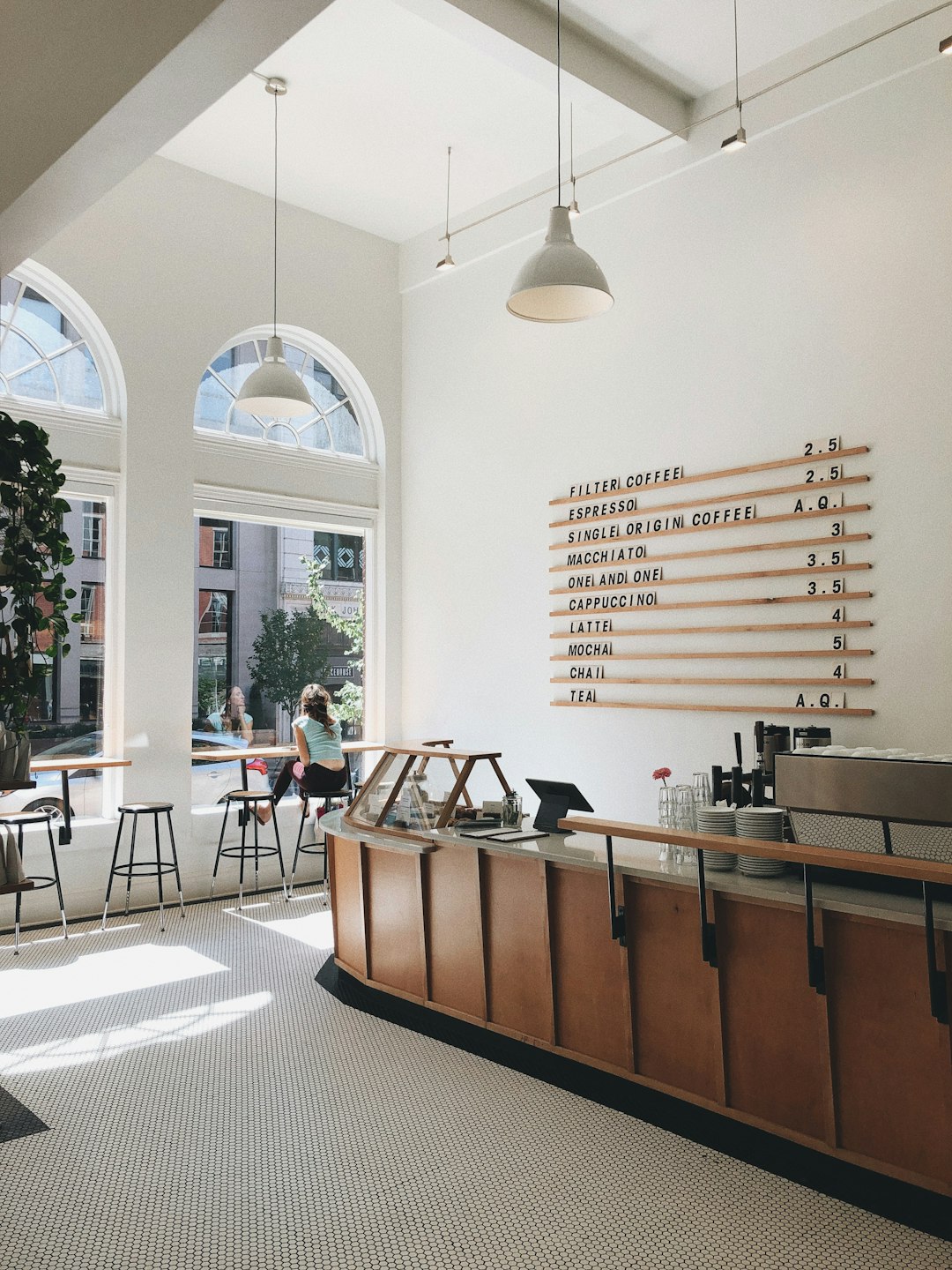
The world of coffee has evolved far beyond a simple beverage, transforming into a global cultural phenomenon with each country contributing its unique twist. Exploring cafe culture internationally offers a captivating journey through diverse tastes, traditions, and innovative trends. From the bustling streets of Tokyo to the artistic corners of Berlin, every city tells a story through its cafes—a testament to the deep-rooted social significance of these establishments.
Unique coffee cultures often reflect the history and identity of their respective regions. For instance, the traditional Japanese cafe experience revolves around mindfulness and aesthetics, with matcha lattes and intricate latte art taking center stage. Conversely, in vibrant cities like Mexico City, cafes have become melting pots for artistic expression, hosting live music, poetry readings, and fostering a creative community. This rich cultural diversity makes each destination’s cafe scene a fascinating study in contrast and harmony.
Travelers seeking authentic experiences can delve into these local coffee cultures by visiting independent cafes that often serve as community hubs. For instance, exploring the narrow alleys of Istanbul might lead one to discover an intimate cafe where locals gather for strong Turkish coffee and lively debates. Similarly, in Kenya, a visit to a traditional coffee plantation and its accompanying cafe provides insight into the country’s rich history of coffee production and offers a chance to sample distinct, robust coffee profiles. By immersing oneself in these settings, one gains a deeper appreciation for the global cafe culture tapestry.
Sourcing Specialty Beans: A Cafe's Foundation
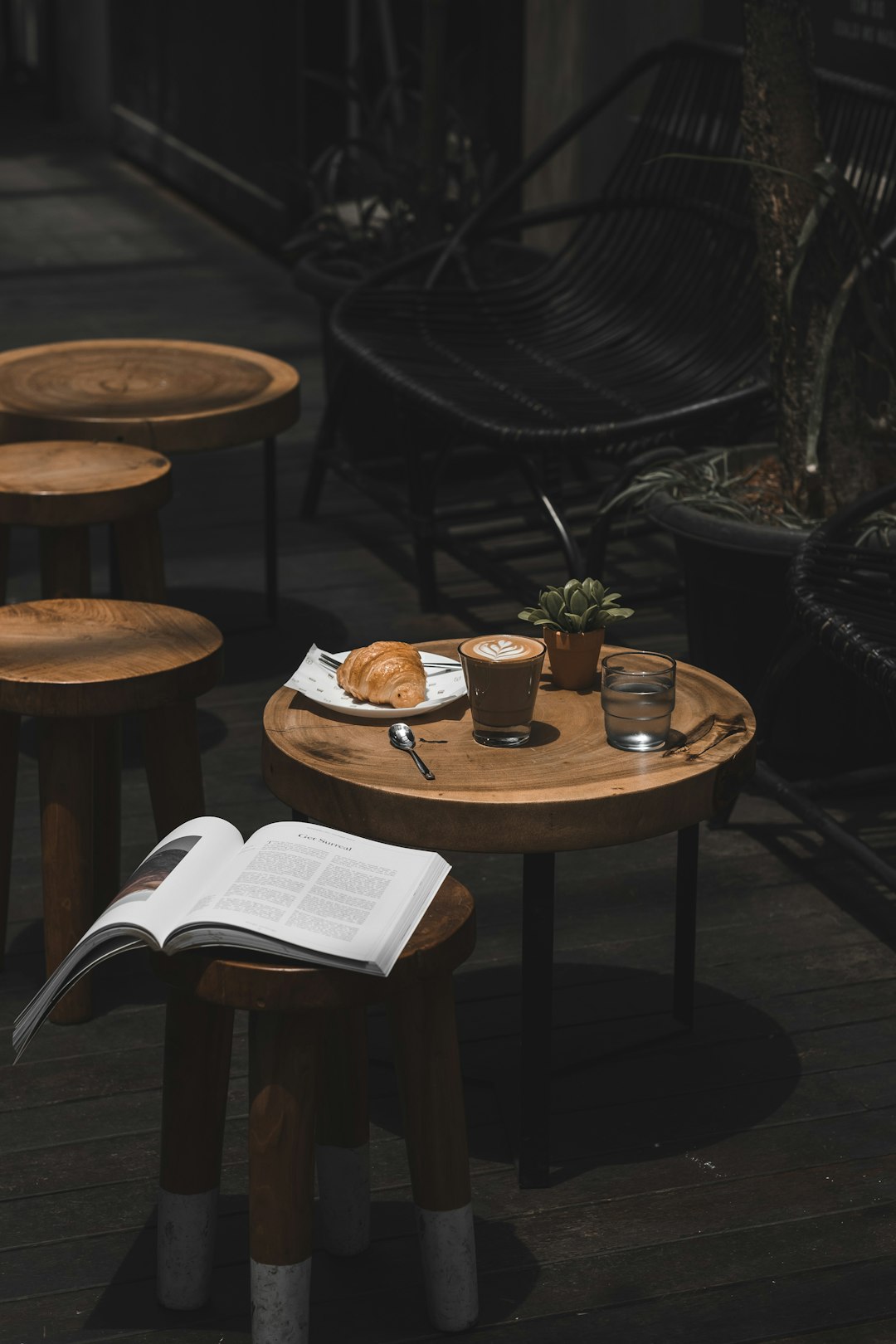
In the realm of cafes, where ambiance and aroma intertwine, the foundation of a superior drinking experience lies not just in the atmosphere but in the sourcing of specialty beans. These beans, akin to the canvas for an artist, form the backbone of any cafe’s menu. A keen eye for quality and a deep understanding of origin are crucial attributes for any establishment aiming to stand out in this competitive landscape. The global coffee market, valued at over $250 billion as of recent data, underscores the importance of bean selection, with consumers increasingly discerning about their choices.
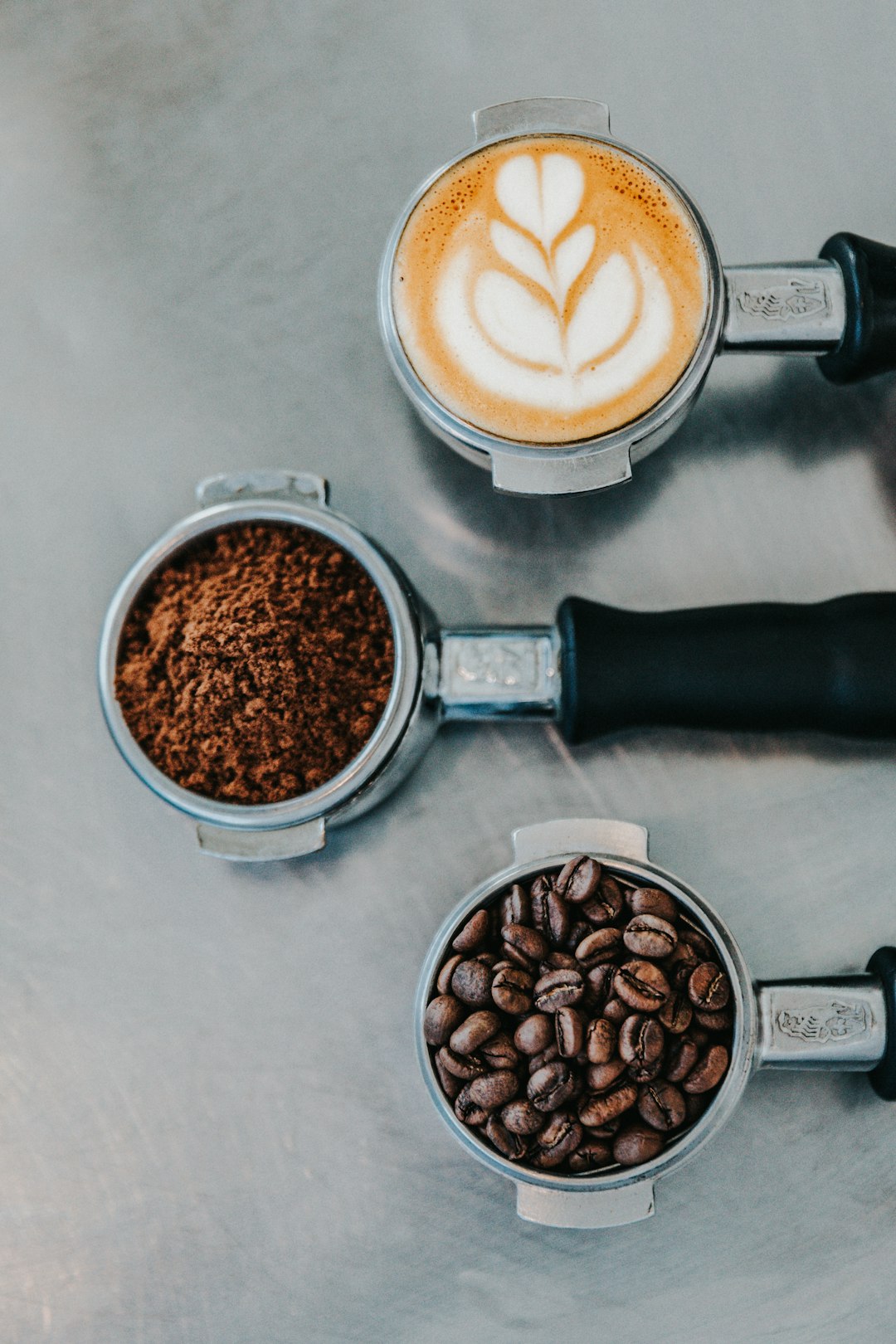
A cafe’s commitment to sourcing specialty beans begins with recognizing the unique characteristics each origin offers. For instance, Ethiopian Yirgacheffe beans are renowned for their floral and citrusy notes, while Brazilian beans exhibit a more robust, earthy flavor profile. Roasters and baristas who delve into these nuances can create distinctive blends tailored to their clientele’s preferences. Furthermore, understanding fair-trade and sustainable practices ensures not only high-quality beans but also aligns with the growing demand for environmentally conscious consumerism.
Practical advice for cafes seeking to excel in this area includes cultivating relationships with trusted roasters known for their ethical sourcing practices. Regular taste tests and collaboration on exclusive blends can foster a unique offering that draws in customers. For instance, a cafe could partner with a local artisan roaster to create a signature blend, differentiating itself from competitors. Additionally, educating staff about bean origins empowers them to share this knowledge with patrons, fostering a deeper connection between the cafe and its clientele. Ultimately, a cafe’s commitment to sourcing specialty beans is not just about offering exceptional tastes but also building a loyal customer base that appreciates the art of coffee cultivation and sourcing.
Building a Thriving Community Around Your Cafe
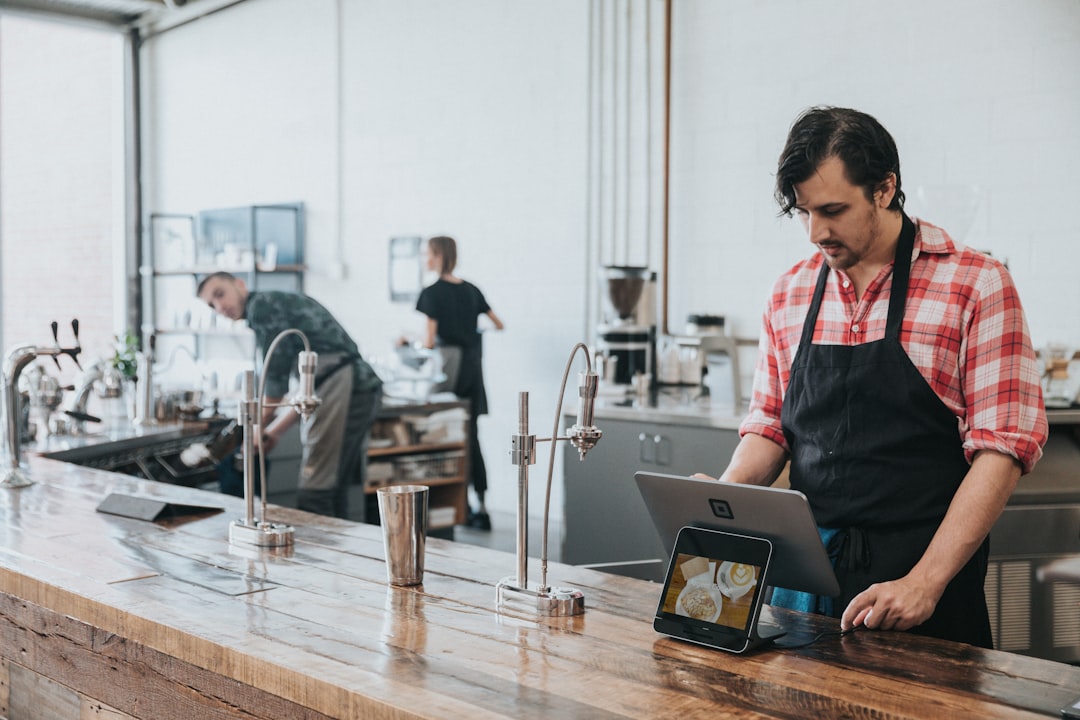
Creating a thriving community around your cafe is more than just serving excellent coffee; it’s about fostering a space where people connect, collaborate, and cultivate meaningful experiences. Successful cafes become hubs for local interactions, transforming from mere destinations for caffeine fix into vibrant centers of social activity. This organic community-building requires strategic design, thoughtful programming, and an understanding of your target audience.
Consider the role of ambiance as a catalyst for community engagement. Warm lighting, comfortable seating, and inviting decor encourage patrons to linger longer, facilitating casual conversations that can lead to lasting connections. For instance, cozy nooks and communal tables create opportunities for both solo visitors and groups to interact. Additionally, incorporating technology like high-speed Wi-Fi and power outlets encourages a blend of in-person and virtual interactions, appealing to digital nomads and remote workers who seek a change of scenery.
Community events play a pivotal role in solidifying the cafe’s position as a community anchor. Hosting regular activities such as open mic nights, book clubs, art exhibitions, or local music performances attracts diverse customers and cultivates a sense of ownership among frequent visitors. Partnering with local businesses, non-profits, and artists can further expand your reach and tap into pre-existing social networks. For example, collaborating with nearby bookstores for literary events or inviting local artisans to showcase their work can attract new audiences and foster a collective identity centered around your cafe.
Data from industry trends suggest that customers increasingly seek authentic experiences when choosing where to spend their time and money. They are drawn to cafes that not only offer high-quality beverages but also create environments that spark belonging and connection. To capitalize on this, cafe owners should focus on curating a unique atmosphere, offering consistent quality, and actively engaging with the community. Regularly seeking customer feedback and adapting your offerings accordingly demonstrates responsiveness and commitment to building an inclusive space that people look forward to visiting.
In exploring the world of cafes, from their rise as trendy hotspots to the art of creating inviting ambiance, this article has illuminated the multifaceted nature of the modern cafe experience. Key insights include the importance of cultivating a unique coffee culture, sourcing specialty beans to establish a robust foundation, and building communities that foster a sense of belonging. By delving into these aspects, cafe owners can create spaces that not only serve excellent coffee but also become integral parts of their customers’ lives. The article’s authority lies in its comprehensive coverage, offering practical next steps for aspiring cafe owners to thrive in this dynamic industry, naturally positioning their establishments as destinations that resonate with both locals and visitors alike.