The article explores the appeal of hidden cafes, unique destinations emphasizing community, creativity, and culinary innovation. To discover these gems, deviate from online trends, explore niche neighborhoods, and engage with cafes' social media. Global cafe scene showcases diverse cultural threads, with specialty coffee shops highlighting ethical sourcing and local roasters' blends. Key to cafe success: embrace authenticity, create community spaces, and design distinct, functional spaces that balance aesthetics with customer satisfaction. Integrating local flavors into menu design fosters community, attracts diverse customers, and enhances the cafe experience through storytelling and seasonal updates.
In today’s dynamic urban landscape, cafes have evolved from mere venues for coffee consumption to vibrant hubs of social interaction and cultural exchange. The rise of trendy cafes reflects a growing appreciation for unique experiences, locally sourced ingredients, and artisanal preparations—a testament to the evolving palates and lifestyles of modern city dwellers. However, navigating this bustling cafe scene can be a daunting task, with new establishments popping up naturally. This article provides an authoritative guide to exploring popular and trendy cafes, offering insights that will enable you to discern the truly exceptional from the merely fashionable.
- Discovering Hidden Gems: Unveiling Unique Cafe Experiences
- The Art of Coffee Culture: Exploring Global Trends
- Design and Ambiance: Creating Memorable Cafe Spaces
- Beyond the Bean: Elevating Cafe Offerings with Local Flavors
Discovering Hidden Gems: Unveiling Unique Cafe Experiences

In the vibrant world of cafes, hidden gems often await discovery beyond the usual suspects. Uncovering these unique cafe experiences enriches the sensory journey for avid coffee enthusiasts and foodies alike. These hidden cafes, nestled in charming neighborhoods or cleverly disguised within urban labyrinths, offer more than just a place to sit and sip; they embody the spirit of community, creativity, and culinary innovation.
One such example is Café Niche, a quaint spot tucked away on a quiet street in Berlin’s Kreuzberg district. This unassuming cafe has become a local favorite for its rotating menu featuring artisanal coffee blends paired with homemade pastries. The atmosphere, adorned with eclectic art displayed by up-and-coming artists, invites patrons to slow down and appreciate the finer nuances of their brew. Similarly, The Hidden Bean in Tokyo’s Shibuya district offers a tranquil retreat from the bustling streets. This intimate cafe showcases local artists’ works on its exposed walls while serving meticulously crafted coffee and traditional Japanese sweets, creating an immersive cultural experience.
Unveiling these hidden gems requires a shift from conventional exploration methods. While online reviews are valuable, they often highlight popular trends. Instead, consider delving into niche neighborhoods, following local recommendations, or even engaging with the cafe’s Instagram to uncover their unique selling points—be it their specialty coffee beans sourced directly from farmers or their creative fusion cuisine. Data suggests that this offbeat approach can lead to a more satisfying cafe experience, as evidenced by rising interest in “hidden cafe” trends on travel blogs and social media platforms.
To embark on your quest for these unique cafe experiences, start by researching local foodie forums and following influencers who champion authentic culinary adventures. Additionally, keep an eye out for pop-up cafes that often showcase emerging talent and innovative concepts. Ultimately, exploring hidden gems rewards you with unforgettable sensory encounters and fosters a deeper connection with the local culture—a true game-changer for any coffee connoisseur or food enthusiast.
The Art of Coffee Culture: Exploring Global Trends

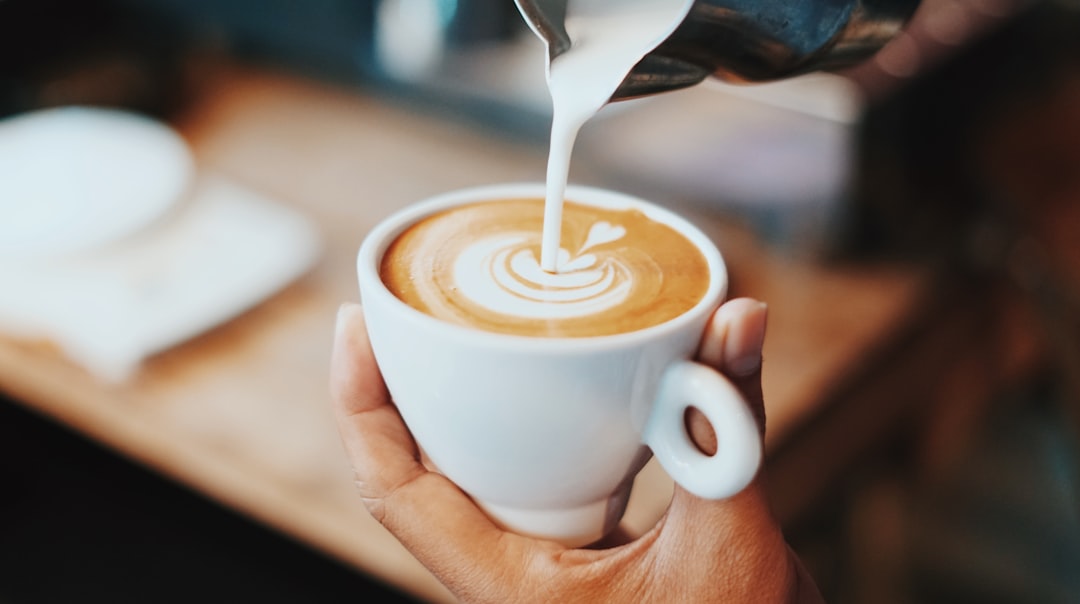
The global coffee culture is a dynamic landscape where each region brings its unique flavor, traditions, and artistic expression to the forefront. Exploring this diverse world reveals a fascinating blend of ancient rituals and modern innovations that define today’s cafe scene. From the traditional Italian espresso bars to the hipster-driven craft coffee movements in North America, every corner of the globe has contributed to shaping the art of coffee.
In countries like Italy, France, and Japan, the cafe experience transcends mere caffeine consumption; it is a social ritual deeply rooted in cultural identity. For instance, Italy’s love affair with espresso is renowned worldwide, with its compact, vibrant cafes becoming the heart of community gatherings. In contrast, Japan’s tea-centric culture has influenced coffee rituals as well, leading to the rise of “kaffee” (カフェ) houses that blend traditional aesthetics with modern coffee brewing techniques. These cultural nuances shape not only the ambiance but also the preparation methods and preferred bean varieties, creating distinct cafe identities around the globe.
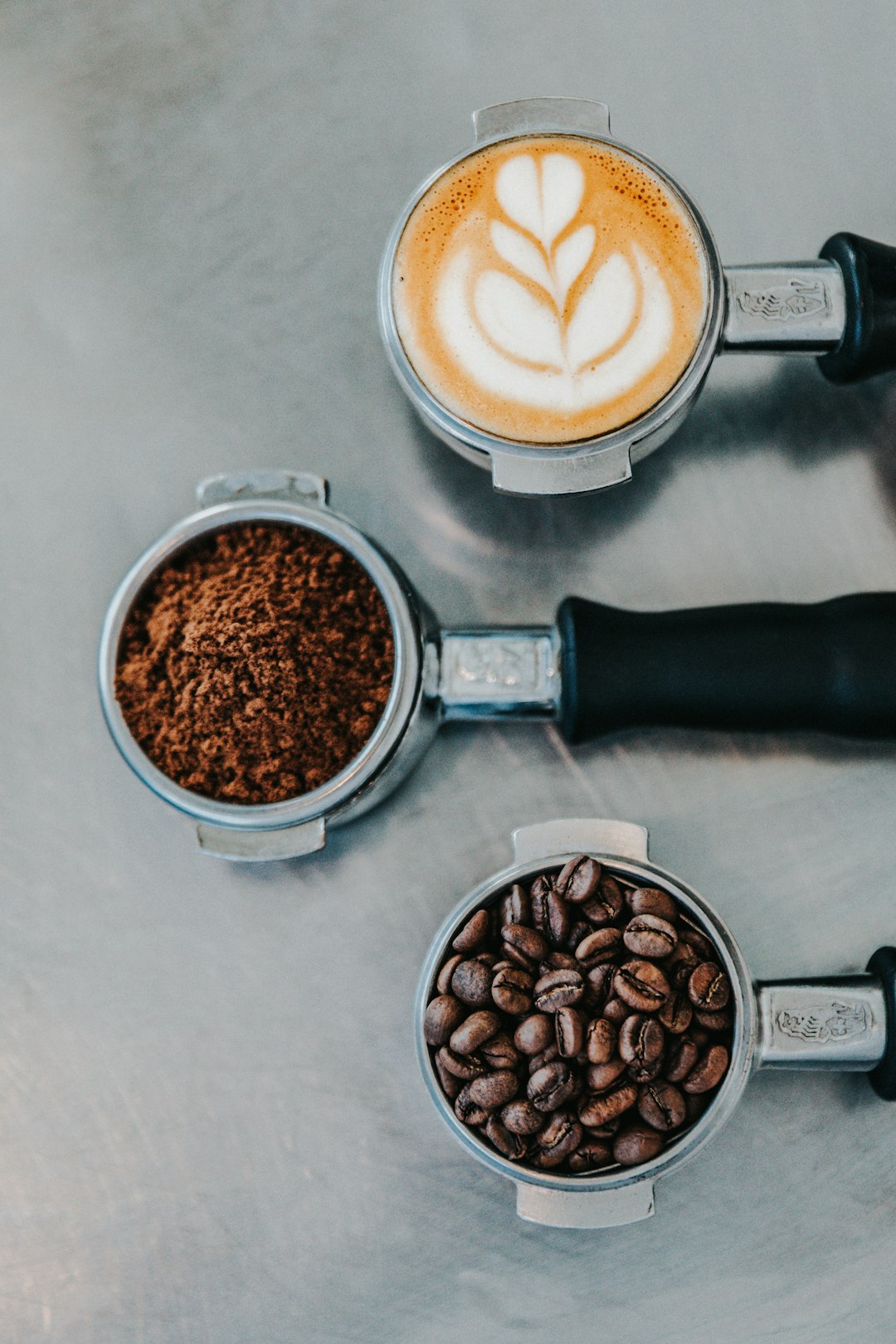
As we navigate the current landscape, a notable trend is the surge in specialty coffee shops, driven by a growing consumer demand for high-quality, ethically sourced beans. This shift has empowered local roasters to showcase their unique blends and innovative brewing techniques, fostering a more personalized cafe experience. Data from the National Coffee Association indicates that specialty coffee sales have been steadily rising, with a 5% annual growth in the US alone over the past decade. This trend reflects a broader global movement where cafes are no longer just places for a quick fix; they’ve become destinations for sensory exploration and cultural immersion.
To embrace this diverse coffee culture, cafe owners and baristas should encourage authenticity. Offering locally sourced, ethical beans, educating customers about origin stories, and promoting traditional brewing methods can enhance the customer experience. Additionally, creating spaces that reflect their communities’ unique aesthetics adds to the allure. For instance, embracing natural light, incorporating local art, or adopting sustainable design elements not only appeals to environmentally conscious patrons but also fosters a deeper connection between the cafe and its surroundings.
Design and Ambiance: Creating Memorable Cafe Spaces
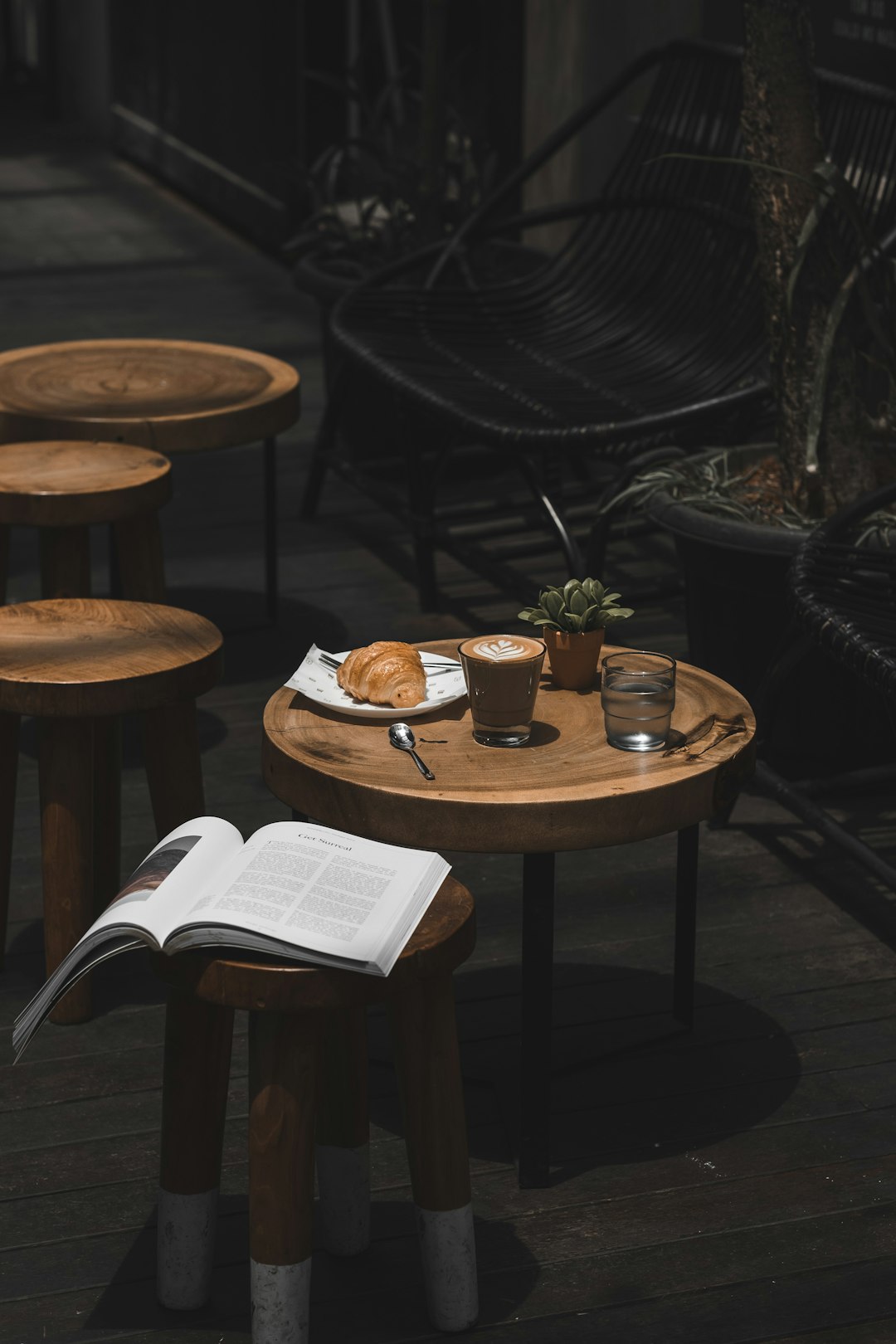
In the highly competitive cafe landscape, design and ambiance play a pivotal role in drawing patrons and fostering memorable experiences. A well-crafted space can elevate a simple cafe into a sought-after destination, encouraging repeat visits and cultivating a loyal customer base. The key lies in creating an environment that not only reflects the brand identity but also caters to the senses and emotions of the clientele.
Consider the example of Blue Bottle Coffee, renowned for its minimalist yet inviting interiors. Their design philosophy emphasizes natural materials, ample natural light, and clean lines, fostering a sense of calm and elegance. This aesthetic aligns perfectly with their coffee culture, attracting customers seeking both quality beverages and serene spaces to unwind. Similarly, Cafe X in Tokyo achieves a unique ambiance through its intricate wood paneling and subtle lighting, evoking a sense of warmth and intimacy, making it a popular gathering spot for locals and tourists alike.
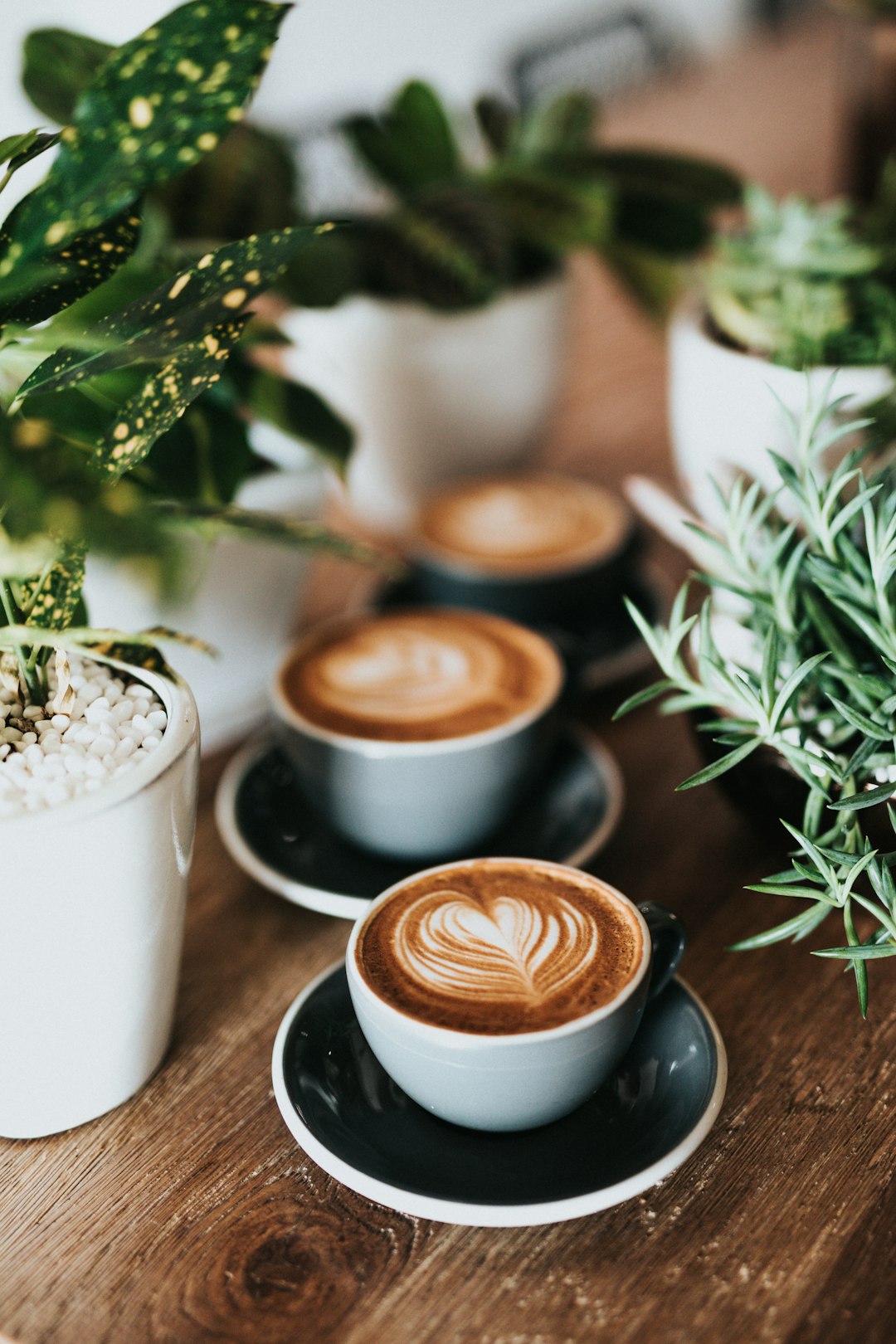
Beyond aesthetics, effective cafe design considers functionality and customer flow. Well-planned seating arrangements, strategic placement of countertops and serving areas, and thoughtful selection of furniture contribute to a seamless dining experience. For instance, a study by Interior Design Magazine revealed that cafes with optimized floor plans and varied seating options tend to have higher customer satisfaction rates. Additionally, incorporating elements like greenery, warm colors, and soft textures can significantly enhance the overall ambiance, making cafes natural retreats in urban settings.
To create a standout cafe space, proprietors should embrace creativity and individuality while understanding their target audience. Whether aiming for a modern industrial vibe or a cozy boho aesthetic, every detail—from wall art to tableware—should tell a story. By combining thoughtful design with exceptional coffee and cuisine, cafes can carve out a unique identity and leave a lasting impression on their patrons, ensuring long-term success in this highly competitive industry.
Beyond the Bean: Elevating Cafe Offerings with Local Flavors
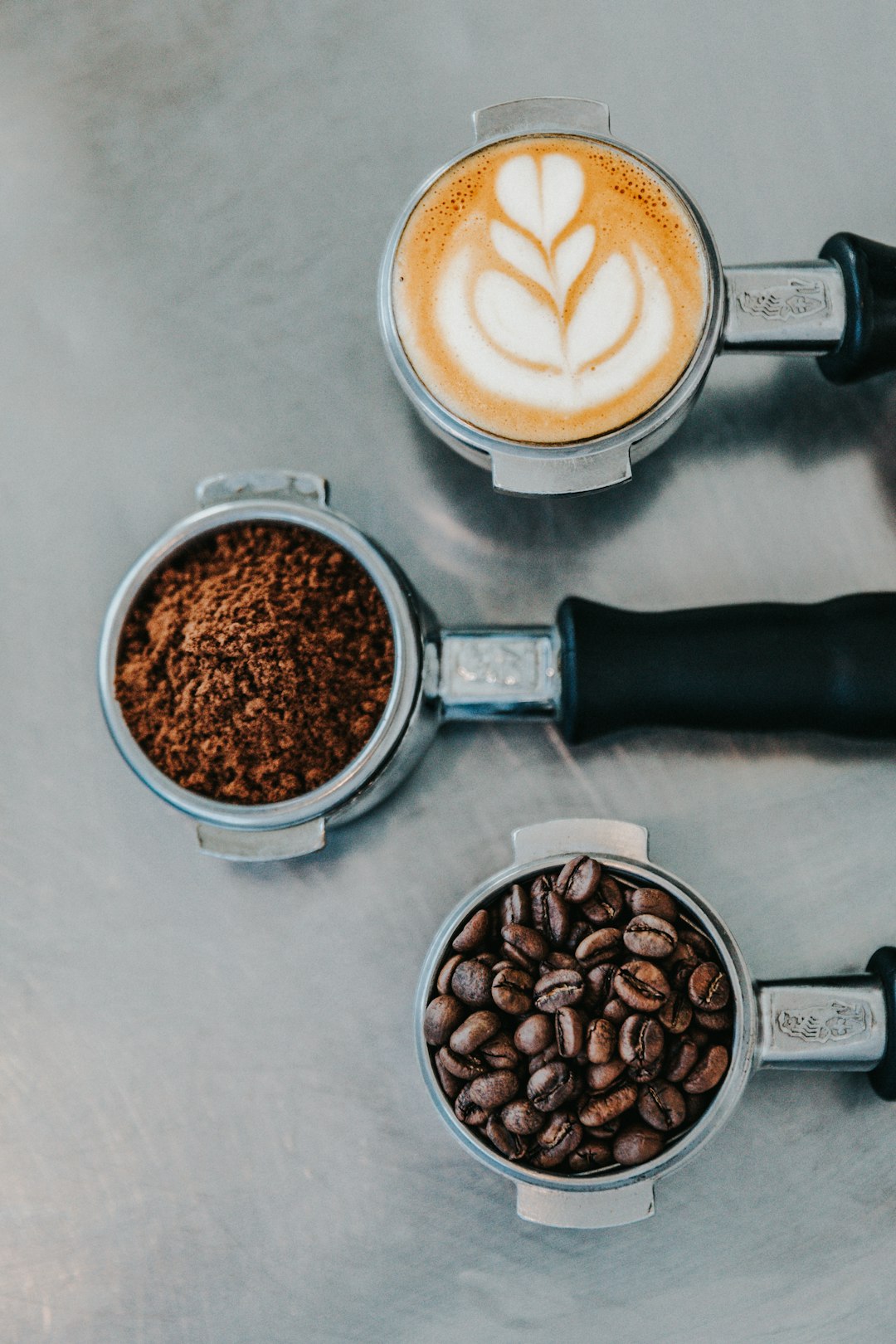
In today’s competitive café landscape, going beyond the standard offerings of coffee and pastries is essential to stand out and create a unique dining experience. Cafe owners and operators are increasingly recognizing the power of local flavors and cultural integration in their menu design, fostering a sense of community and attracting a diverse customer base. This trend transcends mere culinary innovation; it’s about weaving a narrative into each sip and bite, connecting patrons to the heart and soul of their neighborhoods.
For instance, consider the rise of global fusion cafes that seamlessly blend traditional recipes with local ingredients. A café in Tokyo might offer matcha lattes infused with seasonal fruits, while a cozy bistro in Paris could serve crepes filled with locally foraged mushrooms. These cafés become cultural ambassadors, showcasing regional specialties and fostering an appreciation for diverse culinary traditions. Such strategic menu curation not only captivates patrons but also encourages repeat visits as customers anticipate seasonal offerings that showcase the best of both worlds.
Beyond taste, local flavor integration adds depth to the café experience. It invites customers to immerse themselves in a different culture, creating a sense of exploration and discovery. For example, a cafe specializing in African coffee blends could pair their beans with local honey or spices, offering a unique sensory journey. This approach not only elevates the coffee-drinking ritual but also supports local farmers and artisans by featuring their products on the menu. By embracing these strategies, cafes can become vibrant hubs of cultural exchange, fostering connections among patrons and contributing to the vibrancy of their communities.
To implement this concept effectively, café owners should engage with local food communities, attend farmers’ markets, and collaborate with nearby producers. Regularly updating the menu based on seasonal availability ensures a dynamic dining experience. Moreover, educating customers about the origins of ingredients and their role in shaping regional cuisines can enhance the overall café culture, creating a loyal customer base that appreciates and supports these efforts.
By exploring the diverse worlds of cafes, from hidden gems offering unique experiences to globally influential coffee cultures, we’ve uncovered profound insights into what makes a memorable cafe. The article highlights the importance of design and ambiance in creating captivating spaces that resonate with patrons. Moreover, it emphasizes the power of local flavors in elevating cafe offerings, ensuring each visit is a distinct adventure. Moving forward, cafes have an opportunity to differentiate themselves by weaving together global trends and local specialties, fostering communities, and providing customers with experiences that go beyond the bean. This authoritative guide equips readers with the knowledge to navigate and appreciate the rich tapestry of modern cafe culture.