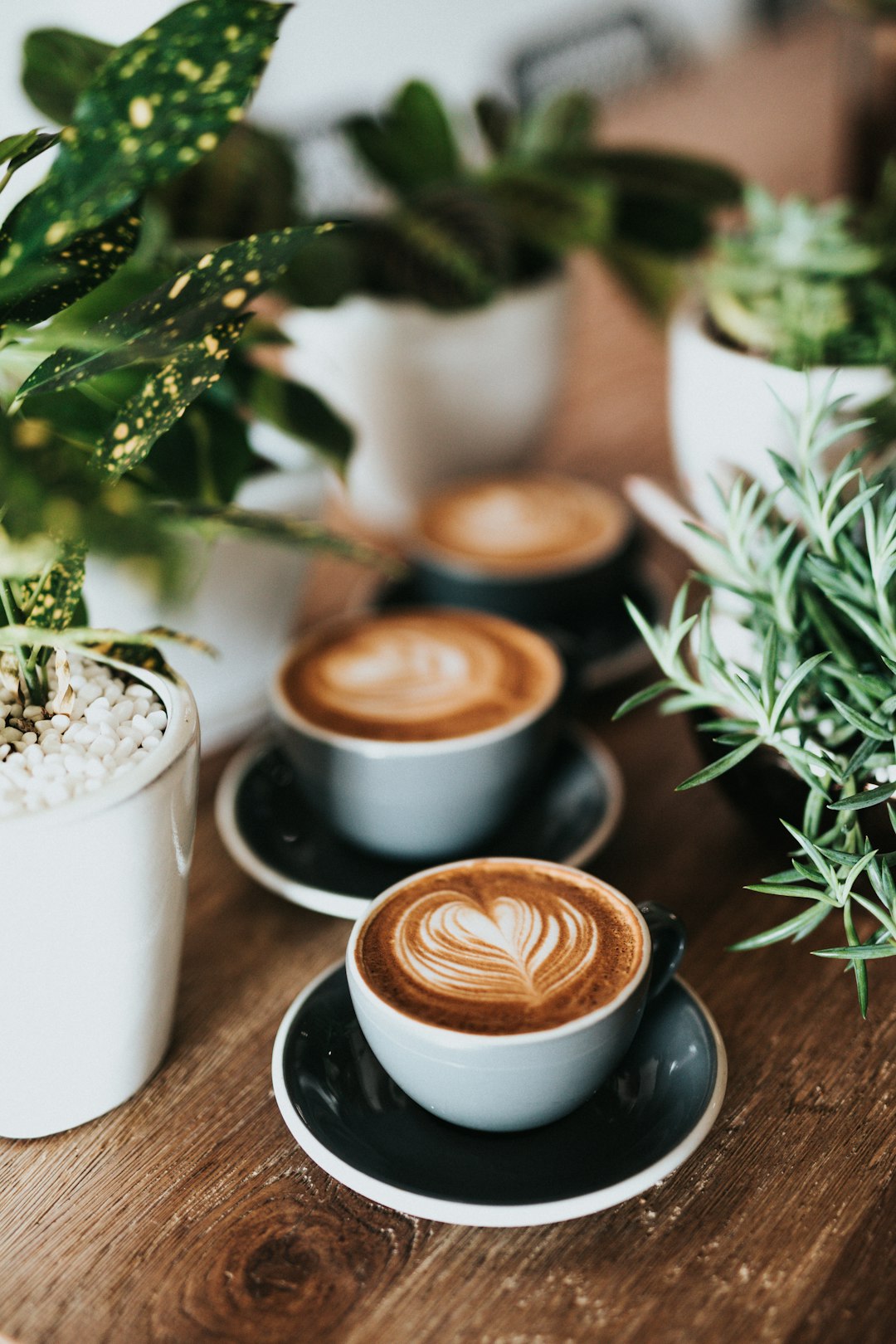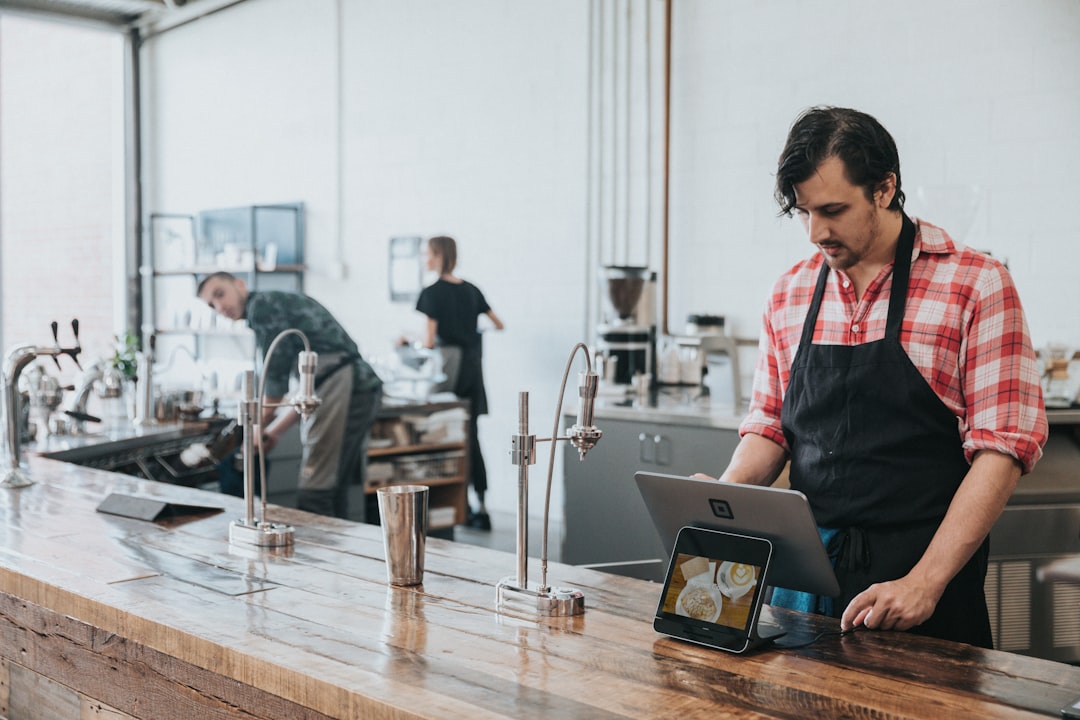
In today's competitive cafe market, staying ahead involves data-driven trends analysis and understanding global cafe cultures. Cafe owners leverage social media and online reviews, study consumer behavior for insights, and adopt sustainable practices to attract patrons. Design plays a crucial role in creating inviting spaces with unique aesthetics, functional zones, and technology integration. Menu innovations cater to diverse dietary preferences, incorporate local ingredients, and offer experiential dining. Cafes naturally evolved into community hubs, fostering connections through events and agile strategies. Key takeaways: data-driven trends, global cafe culture awareness, innovative design, diverse menus, and inclusive community spaces.
In today’s dynamic urban landscape, cafes have evolved from mere places to meet and socialize into vibrant hubs that reflect the diverse tastes and cultures of their communities. Exploring popular and trendy cafes offers a unique window into these dynamic spaces, providing insights into the latest culinary trends, innovative design choices, and the overall evolving cafe culture. This article delves into the heart of this phenomenon, unraveling the factors that make certain cafes stand out, and offers a practical guide for both seasoned café enthusiasts and those newly immersed in this captivating world.
- Discovering Trending Cafes: A Starting Point
- Understanding Cafe Culture: Global Perspectives
- The Art of Cafe Design: Creating Inviting Spaces
- Menu Innovations: Cafe Cuisine Evolves
- Community Engagement: Cafes as Social Hubs
Discovering Trending Cafes: A Starting Point

In today’s competitive landscape of cafes, staying ahead of trends is paramount for both operators looking to thrive and patrons seeking authentic experiences. Discovering trending cafes has evolved from word-of-mouth recommendations to a data-driven process that leverages social media, online reviews, and industry publications. By analyzing patterns in consumer behavior and preferences, cafe owners can anticipate what’s next while patrons can uncover hidden gems that resonate with their tastes.
One effective starting point is tracking hashtags on platforms like Instagram. A simple search for #cafe or #coffeelover reveals a rich tapestry of establishments, each vying for attention through captivating visuals and compelling captions. For instance, data from Instagram analytics tools show that cafes featuring unique architectural elements or eco-friendly practices consistently outperform their peers in engagement rates. This insight guides cafe owners towards creating distinct atmospheres that cater to modern sensibilities.
Moreover, online review sites play a pivotal role in identifying emerging trends. Platforms like Yelp and Google Maps not only offer insights into customer satisfaction but also provide data on popular menu items and amenities. By studying reviews for new cafes, patrons can gauge whether an establishment aligns with their preferences before visiting. For example, a surge in mentions of “vegan options” or “craft coffee” within recent reviews suggests a growing demand for these offerings, prompting both consumers and operators to take notice.
Understanding Cafe Culture: Global Perspectives
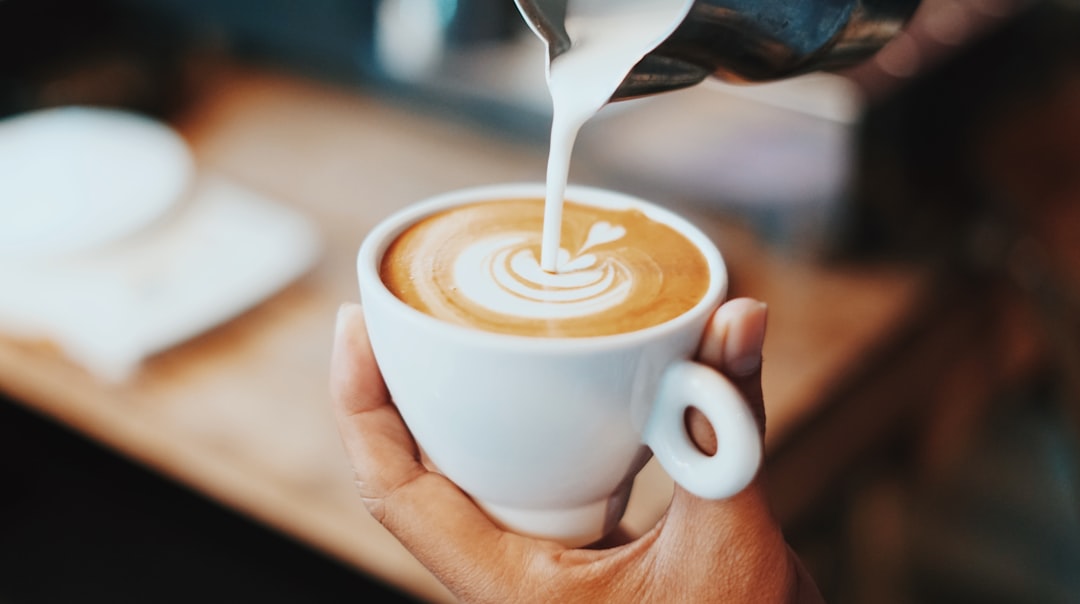
Cafe culture is a global phenomenon that transcends borders, yet each region imbues its coffee houses with unique character. In Europe, cafes have long served as social hubs where intellectual movements blossomed and artistic revolution occurred. Think Paris in the 1920s, when cafes like Les Deux Magots and Café de la Rotonde attracted existentialists, surrealists, and literary giants. Conversely, Tokyo’s cafe scene is known for its quiet, contemplative atmosphere, reflecting a culture that values solitude and minimalism. In these spaces, customers come to not only sip coffee but also to immerse themselves in the ambiance, which often reflects the city’s identity.
As we traverse the globe, emerging trends reveal dynamic shifts in cafe culture. For instance, Latin America has seen a surge in specialty coffee shops that prioritize direct trade and sustainable farming practices, with nations like Colombia and Peru leading the way. These cafes not only offer exceptional brews but also educate consumers about the origins of their coffee, fostering a deeper appreciation for the art. Similarly, Africa is witnessing a cafe renaissance, with entrepreneurial spirit giving rise to unique concepts that blend traditional aesthetics with modern coffee culture. From Johannesburg’s vibrant, community-focused spaces to Nairobi’s chic rooftop cafes, these establishments are redefining what a cafe can be while celebrating local heritage.
Understanding global cafe culture offers valuable insights for both travelers and industry professionals. Immersion in diverse settings can inspire innovative ideas and cultivate a deeper appreciation for the art of coffee. For those seeking to establish or enhance their own cafe, studying these cultural nuances can lead to more authentic experiences that resonate with customers. Whether it’s embracing local traditions, adopting sustainable practices, or creating spaces that foster community, embracing the global tapestry of cafe culture enriches both the consumer and the industry as a whole.
The Art of Cafe Design: Creating Inviting Spaces
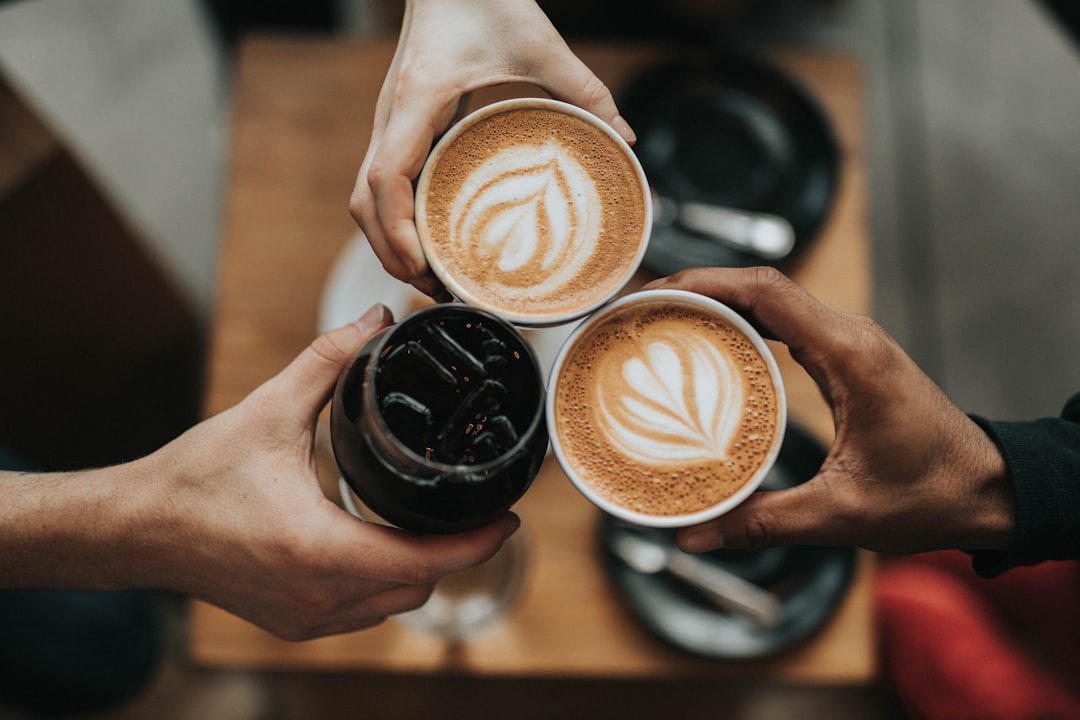
The art of cafe design goes beyond serving exceptional coffee; it involves crafting inviting spaces that cater to the senses and create a unique experience for patrons. Cafe naturally, successful establishments understand that their physical environment plays a pivotal role in drawing customers and encouraging repeat visits. A well-designed cafe can become a hub for social interaction, creativity, and relaxation, fostering an atmosphere that keeps folks coming back.
Key elements of captivating cafe design include thoughtful layout, aesthetic appeal, and functional zones. For instance, consider the open-plan concept gaining popularity in modern cafes, which allows for a dynamic ambiance. This layout encourages conversation and community feeling, especially when combined with shared tables and comfortable seating arrangements. Incorporating natural light, vibrant colors, and unique architectural elements can transform a cafe into an Instagram-worthy destination, appealing to the young, trendy demographic. According to a recent study, cafes with aesthetically pleasing interiors saw a 15% increase in customer satisfaction ratings compared to their less visually appealing counterparts.
Practical insights for cafe owners involve understanding the target audience and curating spaces accordingly. For instance, a cafe catering to students might prioritize ample power outlets, while a spot targeting professionals would focus on quiet zones and private booths. Incorporating interactive elements like board games or art displays can add depth and character, fostering longer stays and enhancing the overall experience. Additionally, leveraging technology is crucial; digital menus and online reservation systems not only streamline operations but also contribute to a forward-thinking, modern cafe identity.
Expert designers suggest that creating distinct zones within the cafe—from cozy reading nooks to bustling open seating areas—encourages patrons to engage with different facets of the space, making their visit more memorable. By combining creative design, practical considerations, and an understanding of customer psychology, cafe owners can transform their establishments into destinations that captivate the senses and leave a lasting impression.
Menu Innovations: Cafe Cuisine Evolves
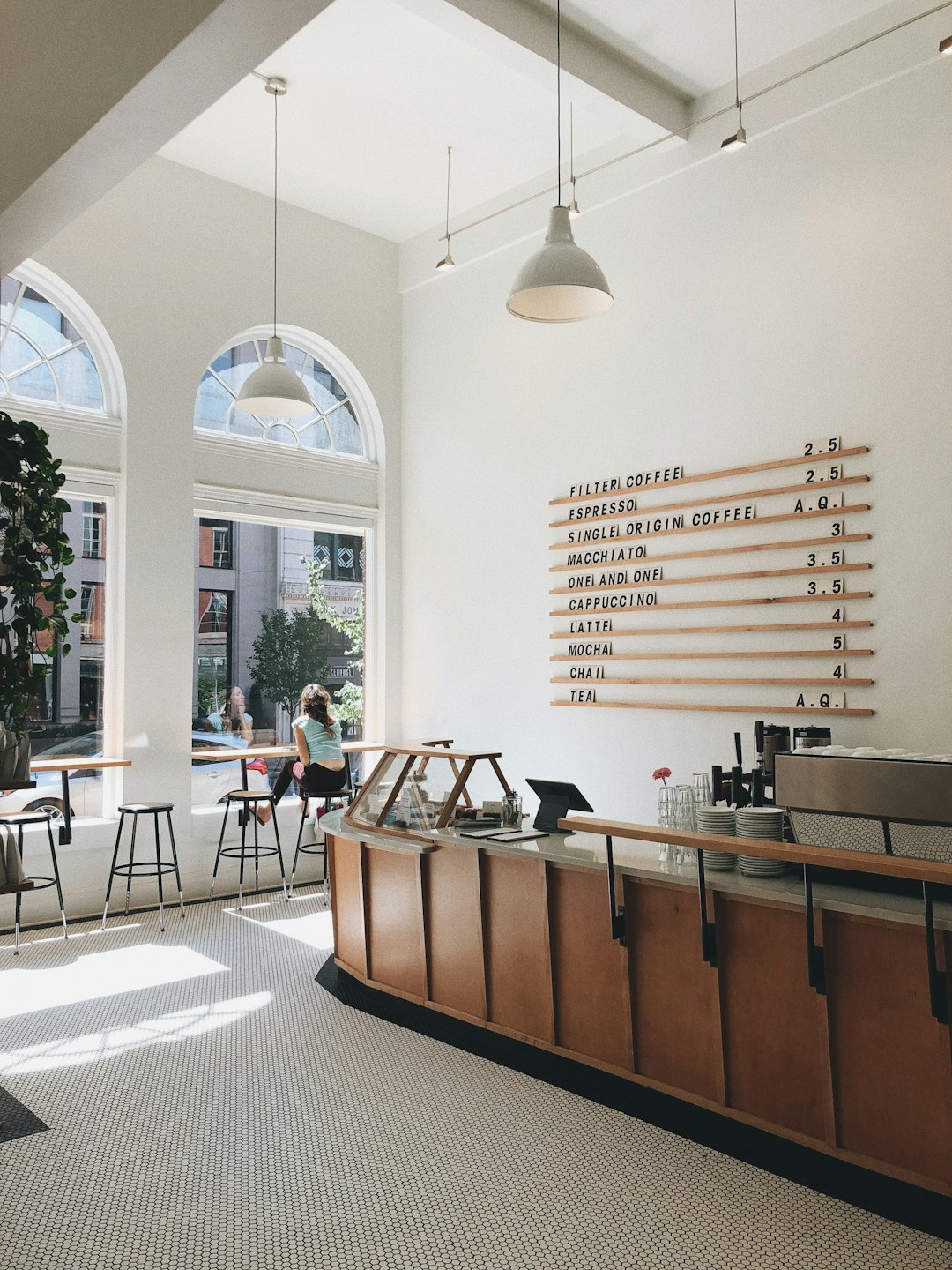
In today’s competitive cafe landscape, menu innovations play a pivotal role in attracting customers and fostering loyalty. Cafe naturally have evolved from being simple beverage hubs to dynamic culinary destinations, offering diverse options that cater to changing palates and lifestyles. The trend towards unique, experiential dining experiences has prompted cafes to rethink their menus, incorporating innovative ingredients, exotic flavors, and creative presentations. For instance, the rise of plant-based alternatives has led many cafes to expand their offerings with vegan and vegetarian specialties, appealing to health-conscious consumers. According to a recent industry report, over 70% of millennials and Gen Z consumers prefer sustainable and ethical food choices, driving significant demand for these menu innovations.
Cafe cuisine is also seeing a resurgence of traditional techniques and locally sourced ingredients. Customers are increasingly interested in knowing the provenance of their food, leading many cafes to highlight regional specialties and collaborate with local farmers. This not only supports the local economy but also enhances the overall dining experience by offering authentic, high-quality dishes. For example, some cafes have introduced farm-to-table menus that showcase seasonal produce, ensuring freshness and minimizing waste. These culinary trends not only satisfy customers’ desires for transparency but also create a sense of community and connection to the cafe’s values.
To stay ahead in this competitive market, cafe owners should focus on creating diverse yet cohesive menus that cater to various dietary preferences and restrictions. Offering a balanced mix of classic favorites and experimental dishes allows cafes to appeal to broader audiences while maintaining their unique identity. Additionally, integrating technology through digital menu boards and online ordering systems streamlines the customer experience, enhances efficiency, and provides opportunities for dynamic pricing based on demand. By embracing these innovations, cafes can continuously evolve, ensuring they remain vibrant hubs of culinary exploration in their communities.
Community Engagement: Cafes as Social Hubs

Cafes have evolved far beyond mere stops for caffeine jolts, transforming into vibrant community engagement spaces. They naturally serve as social hubs, fostering connections and cultivating a sense of belonging. The modern cafe culture encourages interaction, whether it’s over a shared table or through community events. According to a recent study by the National Coffee Association, 73% of coffee drinkers consider cafes as places where they can connect with others. This shift towards communal experiences is not just a trend; it’s a deliberate move by cafe owners and patrons alike to create more meaningful connections in an increasingly digital world.
The transformation of cafes into social hubs isn’t merely about the ambiance or menu offerings. It involves intentional strategies such as hosting regular book clubs, art exhibitions, open-mic nights, and charity drives. For instance, independent cafes often double as community centers, organizing workshops on topics ranging from creative writing to digital literacy. These events not only attract locals but also foster a sense of ownership among patrons, making the cafe a central part of their social fabric. Successful examples include Blue Bottle Coffee, renowned for its community-focused approach, and Stumpt, which hosts regular gatherings for local artists and musicians.
Engaging with the community goes beyond hosting events; it involves creating an inclusive environment. This can be achieved through designing spaces that encourage casual conversations, offering comfortable seating areas, and providing Wi-Fi access without strings attached. Cafe owners should also consider local needs and tailor their offerings accordingly. For instance, a cafe in a student neighborhood might prioritize affordable options and study spaces, while a cafe in a bustling creative district could focus on unique craft beverages and collaboration areas. By aligning with the community’s heartbeat, cafes can become indispensable gathering places, transcending their role as mere coffee shops.
To harness the potential of cafes as social hubs, owners should adopt an agile approach, constantly seeking feedback from patrons and adapting to evolving trends. Regularly curating a diverse range of events and partnerships can help maintain momentum. Collaborating with local businesses, art galleries, or community organizations not only broadens the cafe’s appeal but also deepens its roots within the neighborhood. Additionally, leveraging digital tools—such as social media platforms—to promote events and engage with customers can significantly enhance community participation. Embracing these strategies will ensure that cafes continue to thrive as dynamic social hubs, fostering genuine connections in our increasingly virtual world.
Exploring popular and trendy cafes reveals a dynamic global culture where these establishments have evolved far beyond mere gathering spaces. Key insights underscore the importance of understanding local cafe culture, as diverse perspectives shape unique experiences. Cafe design plays a crucial role in inviting customers through thoughtful aesthetics and functionality. Menu innovations showcase a culinary revolution, with cafes leading the charge in food trends. Ultimately, cafes naturally serve as vibrant social hubs, fostering community engagement and enhancing urban landscapes. By integrating these learnings, from starting points for trend identification to menu strategizing, readers can navigate and capitalize on the ever-evolving world of cafe culture.