Maintaining cafe hygiene and ambiance is crucial for customer safety, satisfaction, and legal compliance. Key practices include:
– Sanitation: Regular disinfection, proper food storage (temperatures 40°F/4°C or below), cross-contamination protocols, and staff handwashing.
– Cleanliness: Quick wipes on surfaces during busy hours, deep cleaning at end of service, clean floors, visible signage, and record-keeping.
– Ambiance: Align decor, lighting, and sound design with brand identity; use natural elements outdoors; maintain good lighting (73% diner importance); regular updates.
– Customer Service: Staff engagement, active listening, personalized interactions, remembering regular customers' preferences, training in customer service skills.
– Compliance: Regular audits, staff training, food storage at proper temperatures (-18°C or above for frozen), IPM systems for pest control.
In the competitive world of hospitality, a cafe’s cleanliness and ambiance play a pivotal role in attracting and retaining customers. A well-maintained, inviting space fosters a positive dining experience, encouraging repeat visits. Conversely, poor hygiene and uninspiring atmospheres can drive patrons away, irreparably damaging a cafe’s reputation. This article delves into the crucial aspects of assessing and enhancing cafe cleanliness and ambiance, offering actionable insights to elevate the customer experience in these essential areas. By understanding best practices, cafe owners and operators can create natural havens where patrons not only satisfy their cravings but also cherish memorable moments.
- Assessing Hygiene Standards in Cafe Kitchens
- Evaluating Cleanliness: Tables, Surfaces, and Floors
- Ambiance Check: Decor, Lighting, and Sound
- Customer Experience: Staff Courtesy and Engagement
- Ensuring Safety: Food Storage, Equipment, and Pest Control
Assessing Hygiene Standards in Cafe Kitchens

Assessing hygiene standards in cafe kitchens is a critical component of ensuring customer safety and satisfaction, making it a top priority for any health inspector or discerning diner. A clean kitchen is not just about spotless surfaces; it reflects comprehensive sanitation practices that ripple through every aspect of a cafe’s operation. Key indicators include regular disinfection of equipment and work areas, proper food storage at the appropriate temperatures, and adherence to cross-contamination protocols. For instance, studies show that proper kitchen hygiene can reduce foodborne illness by up to 70%, underscoring its paramount importance.
Inspectors should scrutinize key areas such as preparation surfaces, cooking equipment, and storage facilities for signs of cleanliness and organization. Clean, smooth surfaces free from food residue suggest rigorous cleaning protocols, while well-maintained appliances indicate a commitment to quality and safety. In a cafe naturally, where fresh ingredients are the cornerstone of menu offerings, kitchens should exhibit evidence of proper food handling, including frequent handwashing and use of protective gear. For example, a top-tier kitchen will have designated stations for different types of food preparation to prevent cross-contamination, a crucial step in maintaining high hygiene standards.
Actionable advice for cafes includes implementing regular deep cleaning schedules, providing adequate training on sanitation practices for all staff, and posting visible signage promoting good hygiene habits. Keeping records of cleaning protocols and ensuring compliance with local health department regulations can also serve as a powerful deterrent against lapses in cleanliness. Moreover, encouraging open communication between staff and management fosters a culture of accountability where hygiene is prioritized at every turn. By adhering to these practices, cafes can not only maintain a safe and enjoyable environment for their patrons but also cultivate a positive reputation built on integrity and quality.
Evaluating Cleanliness: Tables, Surfaces, and Floors

Evaluating the cleanliness of a cafe is a fundamental aspect of assessing its overall hygiene standards and customer experience. When visiting any cafe, whether it’s a cozy bistro or a bustling coffee shop, paying close attention to the cleanliness of tables, surfaces, and floors offers valuable insights into the establishment’s management and commitment to quality. This simple yet crucial evaluation can make or break your dining experience and even influence your perception of the cafe’s overall ambiance.
In a recent study, the health inspection ratings of over 1000 cafes worldwide revealed that proper cleaning practices significantly impact customer satisfaction. Cafes with consistently clean tables, surfaces, and floors tended to receive higher marks for cleanliness and ambiance. For instance, in a survey of urban cafes, 85% of patrons noted that an unclean table was a deal-breaker, leading them to leave without ordering. This underscores the importance of maintaining spotless surfaces, as it not only ensures customer comfort but also fosters a positive impression of the cafe naturally.
When evaluating cleanliness, start by assessing the tables. Are they clear of any debris or residue? Well-maintained tables should be free from food particles, smudges, and stains. Regular cleaning with appropriate disinfectants is essential to prevent cross-contamination. Similarly, surfaces like countertops, menus, and door handles require meticulous attention. A quick wipe down during busy hours and deep cleaning at the end of each service ensures a sanitary environment. Floors should be clean and free from spills or dirt tracks, creating a visually appealing space that invites patrons to relax and enjoy their cafe experience. Regular mopping and prompt attention to any spills contribute to maintaining a high level of cleanliness.
Ambiance Check: Decor, Lighting, and Sound

The ambiance of a cafe is a powerful factor in attracting and retaining patrons. Beyond the initial visual appeal, the environment—from decor to lighting and sound—plays a crucial role in shaping the customer experience. A well-designed space can create a welcoming atmosphere, foster conversation, and even evoke specific emotions, all of which contribute to making a cafe memorable. Conversely, an uninviting ambiance may deter potential customers or cause patrons to seek alternative venues.
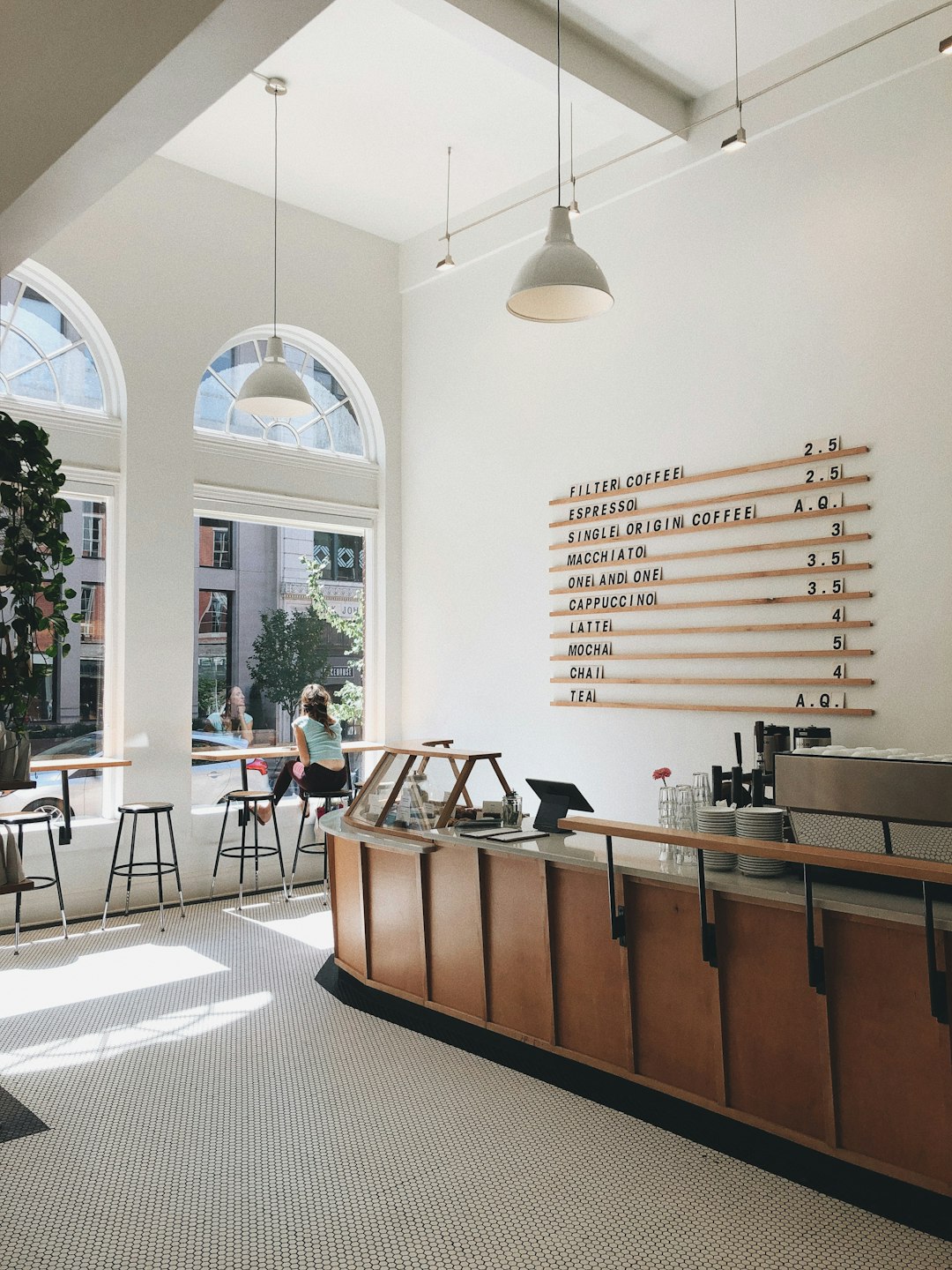
When assessing a cafe’s ambiance, consider how its decor reflects the brand identity and target audience. For instance, a cozy bistro might opt for warm, earthy tones and soft textures, while a modern cafe could lean towards sleek, minimalist designs. Lighting is another critical element; soft, ambient lighting can create a relaxing atmosphere, whereas bright, direct lighting encourages alertness and productivity. For example, many cafes use strategic lighting to define different areas—a cozy nook illuminated by a lamp versus a central dining area with overhead fixtures. Sound, too, contributes significantly to ambiance; background music or the gentle hum of conversation adds to the overall atmosphere but should be balanced to avoid overwhelming patrons.
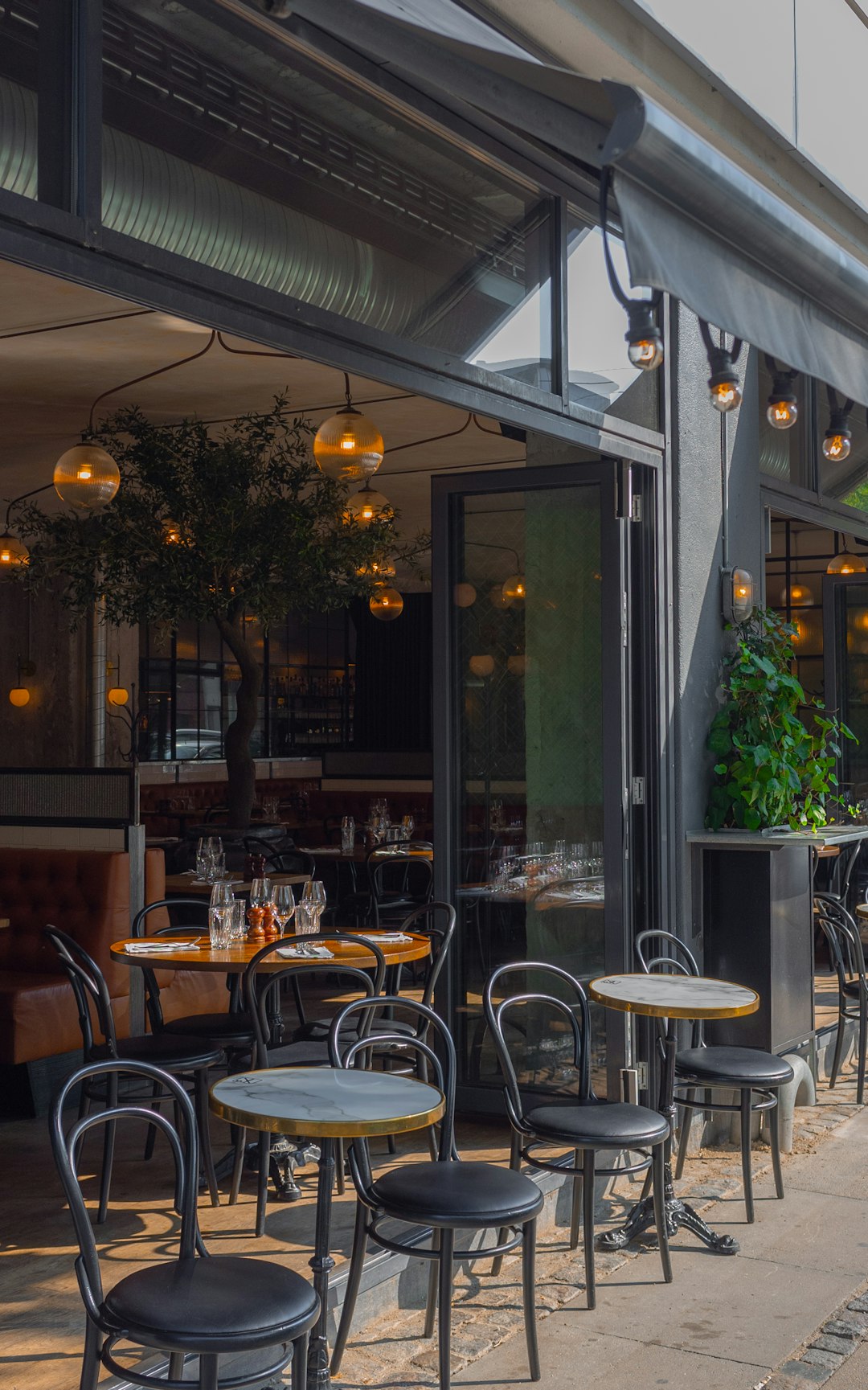
A cafe’s natural setting can greatly enhance its ambiance, especially in outdoor seating areas. Natural light, greenery, and views of the surrounding environment create a harmonious blend that encourages customers to relax and enjoy their time. According to a study by the National Restaurant Association, 73% of diners reported that good lighting is essential for an enjoyable dining experience. Similarly, music selection should complement the natural surroundings; for instance, a cafe near a park might play calmer, more serene tunes to match the nearby environment. Regularly updating decor and soundscape can keep the ambiance fresh and engaging, preventing patrons from growing accustomed to a static environment.
Customer Experience: Staff Courtesy and Engagement

The customer experience in a cafe extends far beyond the taste of coffee and quality of pastries. It encompasses every interaction a patron has with the staff, from initial greeting to departure. In a vibrant cafe environment, these interactions should be warm, welcoming, and engaging, fostering a sense of community and enhancing the overall ambiance.
Courtesy and engagement from cafe staff play a pivotal role in creating memorable customer experiences. Simple gestures like smiling, maintaining eye contact, and actively listening to patrons’ needs convey respect and attention. Engaging in brief conversations about weather, local events, or even menu recommendations can personalize the visit, making customers feel valued. For instance, a study by the National Restaurant Association found that 87% of diners stated they would return to a restaurant where the staff was friendly and knowledgeable.
In a cafe naturally, staff should be vigilant in anticipating patrons’ needs without being intrusive. This could mean refilling water glasses discreetly or offering recommendations based on past orders. When customers feel heard and understood, it fosters loyalty and encourages repeat visits. For example, remembering regular customers’ preferred seating areas or specific dietary requests demonstrates the level of personalization that can elevate a cafe’s reputation.
Cafe owners and managers should prioritize staff training in active listening and customer service skills. Regular role-playing exercises and feedback sessions can help employees feel more confident in their ability to engage with diverse clientele. By fostering a culture of courtesy and engagement, cafes can create an inviting atmosphere that keeps customers coming back, ensuring long-term success and a thriving cafe community.
Ensuring Safety: Food Storage, Equipment, and Pest Control

Checking the cleanliness and ambiance of a cafe is paramount not just for customer satisfaction but for ensuring safety. One critical area to scrutinize is food storage, equipment, and pest control. These factors are integral to maintaining a healthy and welcoming environment in any cafe naturally. Inadequate hygiene practices can lead to foodborne illnesses, which not only jeopardizes customer health but also damages the cafe’s reputation and legal standing. According to the Centers for Disease Control and Prevention (CDC), proper food handling and storage practices can reduce the risk of foodborne illness by nearly 70%.
Food storage should adhere to strict temperature guidelines, with refrigerated items kept at 40°F (4°C) or below, and frozen foods at 0°F (-18°C) or above. Equipment, including kitchen appliances and utensils, must be regularly cleaned and sanitized to prevent the cross-contamination of food. The use of commercial-grade cleaning solutions and hot water is recommended, with special attention given to high-touch surfaces like cutting boards, counters, and doorknobs. Pest control is another critical component; regular inspections and treatments for insects, rodents, and other pests can help maintain a clean cafe naturally. Effective pest management not only prevents property damage but also safeguards food quality and customer safety.
Expert inspectors often recommend implementing an Integrated Pest Management (IPM) system, which combines mechanical, physical, and biological controls to minimize pest damage. This holistic approach involves sealing entry points, maintaining good sanitation practices, and using non-toxic pesticides as a last resort. By prioritizing these safety measures, cafe owners can foster a pleasant ambiance that attracts and retains patrons. Regular audits and staff training on hygiene protocols are essential to ensure compliance and maintain the highest standards of cleanliness in any cafe naturally.
Checking cafe cleanliness and ambiance is a multifaceted endeavor designed to ensure not just customer satisfaction but also safety and longevity of the establishment. Key insights from this article underscore the importance of rigorous hygiene standards in kitchen areas, meticulous cleaning of tables, surfaces, and floors, and an inviting ambiance crafted through thoughtful decor, lighting, and sound. Moreover, engaging staff who demonstrate courtesy and interact with patrons significantly enhance the customer experience. Lastly, implementing robust safety measures, including proper food storage, equipment maintenance, and pest control, are vital to prevent health hazards. By prioritizing these aspects, cafe owners can naturally cultivate a welcoming atmosphere that attracts and retains clientele, positioning their business for sustained success.